

A Guide to the Ignition Knock Sensor for the 2003-2014 Mazda 6
Learn to identify a failing knock sensor in your Mazda 6 and choose the best aftermarket replacement.
- Replacement is a difficult job because the sensor is located under the intake manifold, which must be removed.
- Using a torque wrench is mandatory; over-tightening the new sensor can damage it or cause incorrect readings.
- For a labor-intensive job like this, choosing a quality aftermarket brand like NGK/NTK, Delphi, or Standard is highly recommended to avoid repeat repairs.
- Common fault codes associated with a bad knock sensor are P0325, P0327, and P0328.
Is Your Mazda 6 Knock Sensor Failing?
A faulty knock sensor can cause a range of problems, from annoying to potentially serious. Because it plays a key role in engine timing and protection, ignoring a bad sensor is not recommended. The car's computer may not know if the engine is knocking, or it may mistakenly think it's knocking when it isn't. This can lead to poor performance and reduced fuel economy.
Common Symptoms of a Bad Knock Sensor
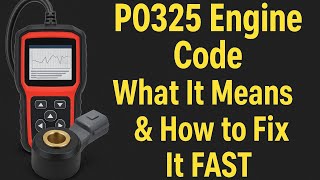
- Check Engine Light: This is the most common sign. The PCM will store trouble codes like P0325, P0327, or P0328. 🎬 Watch this video to understand P0325 codes and common fixes.
- Poor Acceleration: Your car may feel sluggish or hesitant. To protect the engine, the computer may default to a "safe" mode with retarded ignition timing, which reduces power.
- Reduced Fuel Economy: When ignition timing isn't optimal, the engine burns fuel less efficiently, making you visit the gas station more often.
- Audible Pinging or Knocking: If the sensor fails to detect real detonation, you might hear a metallic pinging sound from the engine, especially during acceleration. This is a serious symptom that indicates potential engine damage.
A Difficult Replacement Job
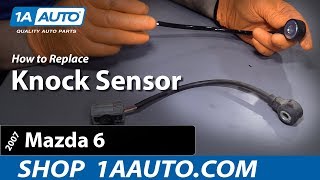
Replacing the knock sensor on both the 4-cylinder and V6 engines in the 2003-2014 Mazda 6 is a complex job. The sensor is located on the engine block, underneath the entire intake manifold. This means the manifold, fuel rail, and various connectors and hoses must be removed for access. This is not a simple task for a beginner.
🎬 Watch this step-by-step replacement guide for the 2.3L 4-cylinder engine.Choosing the Right Aftermarket Knock Sensor
While an OEM part from Mazda is always an option, high-quality aftermarket sensors can offer the same performance for less money. However, not all aftermarket brands are created equal, and for a sensor this difficult to replace, you don't want to do the job twice. Based on owner feedback and brand reputation, here is a breakdown of available brands:
- Tier 1 (Premium Aftermarket): Brands like NGK (NTK), Delphi, and Standard Ignition (SMP) are well-regarded and often manufacture parts for automakers. They are known for their reliability and are a safe choice for this repair.
- Tier 2 (Reputable Re-boxers/Mid-Grade): Beck Arnley often sources parts from various manufacturers, including OEM suppliers. Their quality is generally consistent and reliable.
- Tier 3 (Budget Brands): Brands like Walker Products, Global Parts, and other lower-priced options can be a gamble. While they may work, forum discussions show a higher risk of premature failure with cheaper electronic parts, which could force you to repeat this labor-intensive repair.
Torque Specification is Critical
The knock sensor is a sensitive microphone. It must be tightened to a very specific, low torque setting (around 17.5 ft-lbs). Over-tightening the bolt can damage the sensor's internal piezoelectric element or make it overly sensitive, causing false knock readings and persistent performance issues. Always use a torque wrench for installation.
Cost of Replacing a Mazda 6 Knock Sensor
| Item | Estimated Cost |
|---|---|
| New Aftermarket Part | $37 - $212 |
| New OEM Part | $150 - $250 |
| Shop Labor | $250 - $600 |
| Total Estimated Cost (Shop Repair) | $287 - $850+ |
Cost estimates are for informational purposes only and may vary by location and vehicle specifics.
Frequently Asked Questions
Can I replace the knock sensor myself?
This is a challenging DIY project. Because the intake manifold must be removed, it requires significant mechanical experience, a good set of tools (including a torque wrench), and several hours of work. If you are not comfortable disconnecting fuel lines and multiple electronic components, it is best to leave this job to a professional mechanic.
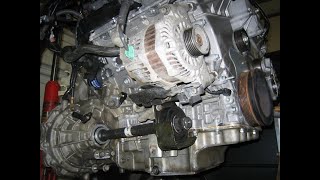
🎬 See how to access the sensor on a V6 Mazda 6.Are there any recalls for the Mazda 6 knock sensor?
No. Searches of the National Highway Traffic Safety Administration (NHTSA) database show recalls for the 2003-2014 Mazda 6 related to airbags and other components, but none specifically for the ignition knock sensor.
What happens if I ignore a bad knock sensor?
If the sensor is faulty and sending incorrect signals, your car will continue to have poor performance and bad gas mileage. If the sensor has failed completely and cannot detect real engine knock, you risk causing serious internal engine damage over time, such as to pistons or bearings.
Could something else cause a knock sensor code?
Yes. The problem could be in the wiring harness or connector leading to the sensor, which can get brittle from engine heat. In some cases, the issue can be with the engine's computer (PCM) itself. It's always wise to inspect the wiring for damage before replacing the sensor.
Helpful Videos
Technical Specifications
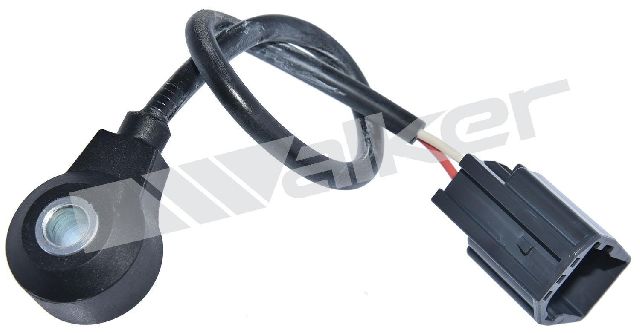
OEM Part Numbers: L3G2-18-921 AJ57-18-921
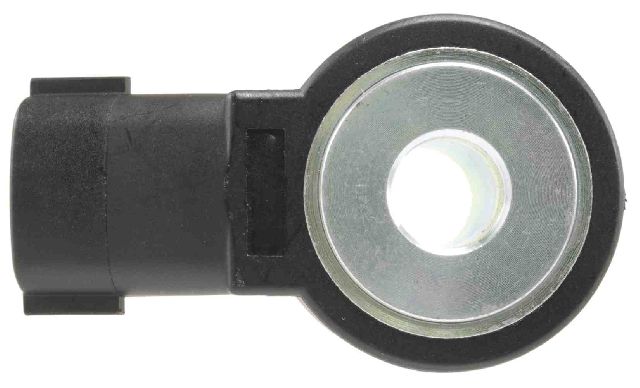
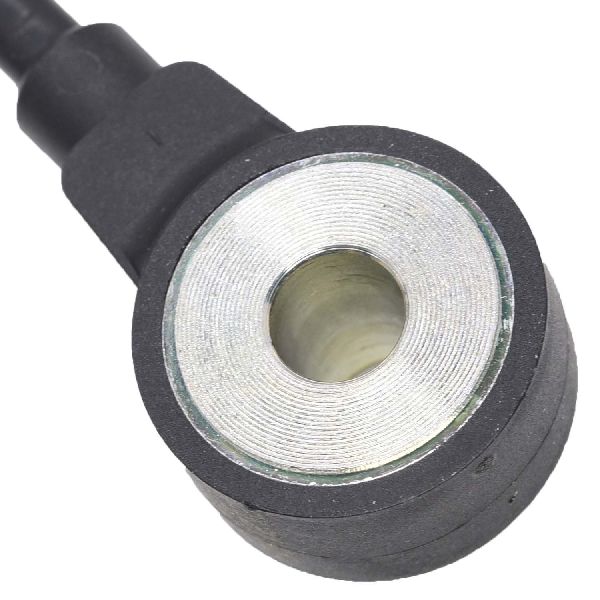
Mounting Style: Single Bolt; Connector: 2-Pin
We Have This Part in Stock


The information in this article is provided for general reference and educational purposes only. Vehicle specifications, procedures, and part compatibility can vary by production date, trim level, and region. Always consult your vehicle's factory service manual and verify part numbers before purchasing or performing repairs. Safety-critical components such as airbags, seat belts, and braking systems should be installed by a qualified professional.
- Mazda 6: