

Mitsubishi Outlander Oxygen Sensor: A Guide for 2003-2014 Models
Diagnosing a bad O2 sensor on your Outlander and choosing the right aftermarket replacement.
- A bad O2 sensor will trigger the check engine light and reduce fuel economy.
- For best results, choose a direct-fit sensor from an OEM-equivalent brand like Denso or NGK (NTK).
- 4-cylinder Outlanders have two O2 sensors, while V6 models have four.
- Replacement is a feasible DIY job, but the sensor can be difficult to remove if it's rusted in place.
Is Your Outlander's Oxygen Sensor Failing?
An oxygen sensor doesn't last forever and will eventually fail due to age, contamination from engine fluids, or a malfunctioning heater circuit. When it fails, your Outlander's computer can no longer accurately adjust the air-fuel ratio. This leads to noticeable problems with performance and fuel consumption. Ignoring a bad O2 sensor can lead to more expensive repairs, including damage to your catalytic converter.
Symptoms of a Bad O2 Sensor in a 2003-2014 Outlander

- Check Engine Light: This is the most common sign. A code reader will often show codes related to the O2 sensor's heater circuit or performance.
- Worse Gas Mileage: A failing sensor often causes the engine to run rich (too much fuel), leading to more frequent trips to the gas station.
- Rough Idle or Misfire: The engine may run poorly, idle unevenly, or hesitate during acceleration because the air-fuel mixture is incorrect.
- Rotten Egg Smell: A strong smell of sulfur or gasoline from the exhaust can indicate unburned fuel, a sign the sensor isn't working correctly.
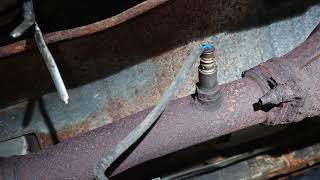
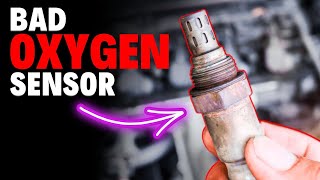
- Failed Emissions Test: A bad O2 sensor will prevent your vehicle from passing an emissions inspection. 🎬 Watch: Learn more about upstream and downstream sensor failure symptoms.
Generation & Engine Differences
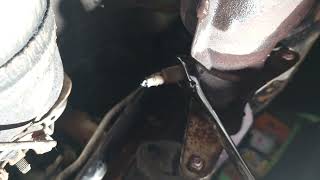
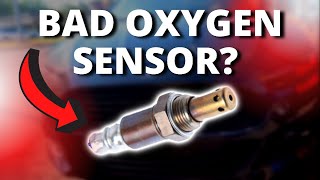
The number of sensors your Outlander has depends on the engine. First-generation models (2003-2006) with the 4-cylinder engine have two O2 sensors: one upstream and one downstream. 🎬 See this walkthrough for replacing a first-generation upstream sensor. Second-generation models (2007-2014) with the 4-cylinder also have two sensors. However, models equipped with the 3.0L V6 engine have four O2 sensors: two upstream (one for each cylinder bank) and two downstream.
Choosing the Right Aftermarket Oxygen Sensor

You don't need to buy the most expensive sensor, but avoiding the cheapest options is a wise move. Forum members frequently report that very cheap, unbranded sensors from sites like eBay can be defective out of the box or fail quickly, causing the check engine light to return. For a Japanese vehicle like your Outlander, sticking with brands known for their OEM quality is the best approach.
Brand Quality Tiers for Mitsubishi Outlander
- Tier 1: OEM-Equivalent (Recommended): Denso and NGK (NTK) are the original equipment manufacturers for many Japanese automakers, including Mitsubishi. Choosing one of these brands is the safest bet for a direct-fit, reliable replacement that will perform like the original part.
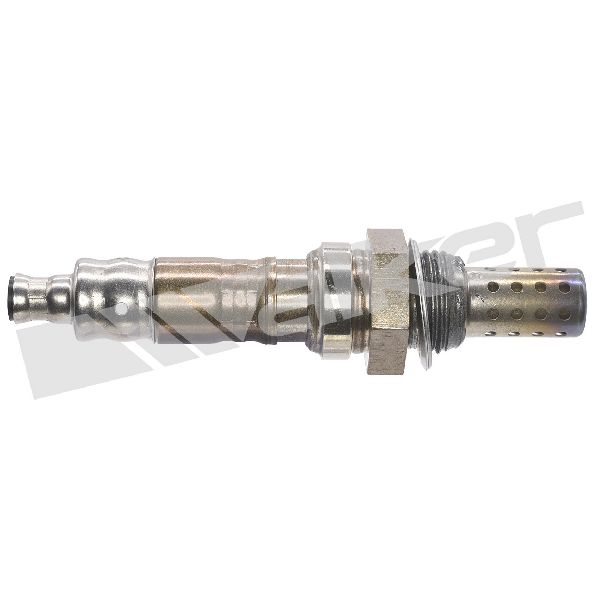
- Tier 2: High-Quality Aftermarket: Bosch is a world-leading O2 sensor manufacturer and a solid choice. While some enthusiasts prefer to match Japanese cars with Japanese brands, a direct-fit Bosch sensor is a high-quality part that works well for most owners. Brands like Delphi and Walker Products also have a long-standing reputation in the aftermarket and offer reliable options.
- Tier 3: Economy: Brands like DriveWire and Facet fall into the budget category. While they are more affordable, they may not offer the same longevity or precise calibration as the premium brands. They can be a viable option for older vehicles or if budget is the primary concern, but be aware of the potential for shorter service life.
Pro Tip: Always choose a "direct-fit" sensor. These come with the correct-length wire and factory-style connector, making installation much easier. Universal sensors that require you to splice wires are cheaper but create a potential point of failure.
Known Issues & Bulletins

There are no widespread recalls for oxygen sensors on the 2003-2014 Outlander. However, Mitsubishi issued Technical Service Bulletin TSB-13-13-002REV for some 2011 Outlander Sport models. This TSB addresses a software issue that could cause a false check engine light with code P0145 (related to the third oxygen sensor). The fix is a software update performed by a dealer, not a sensor replacement.
| Item | Estimated Cost |
|---|---|
| New OEM Sensor | $150 - $400+ |
| New Aftermarket Sensor | $25 - $360 |
| Shop Labor (per sensor) | $75 - $150 |
Frequently Asked Questions

How many oxygen sensors does my Outlander have?
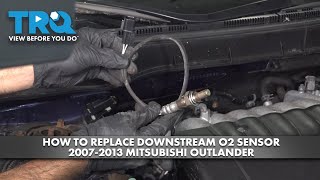
If you have a 4-cylinder engine (2003-2014), you have two sensors: one upstream (Bank 1, Sensor 1) and one downstream (Bank 1, Sensor 2). If you have the 3.0L V6 engine (2007-2014), you have four sensors: two upstream (Bank 1 Sensor 1, Bank 2 Sensor 1) and two downstream (Bank 1 Sensor 2, Bank 2 Sensor 2).
What is the difference between an upstream and downstream sensor?
The upstream sensor (also called an Air/Fuel Ratio Sensor) is located before the catalytic converter. It provides the primary data for adjusting the fuel mixture. The downstream sensor is located after the catalytic converter and its main job is to monitor the converter's health and efficiency. Upstream sensors are more critical for engine performance and are typically more expensive.
Can I replace just one oxygen sensor?
Yes. You only need to replace the sensor that has failed. A diagnostic scan tool can tell you the specific sensor that is causing the fault code (e.g., "Bank 1, Sensor 2"). However, if the sensors are original and have high mileage, they often fail around the same time. Some owners choose to replace them in pairs (both upstream or both downstream) for peace of mind.
Do I need a special tool to replace an O2 sensor?
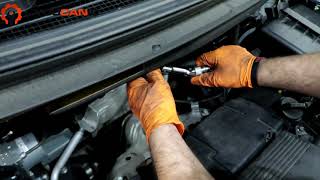
Yes, it is highly recommended. A special oxygen sensor socket is required. This socket has a slit on the side to accommodate the sensor's wire. Using a regular wrench can damage the wire. It's also a good idea to apply anti-seize compound to the threads of the new sensor (most new sensors include a small packet) to make future removal easier.
Helpful Videos
![Bad O2 Sensor Symptoms Downstream & Upstream [Oxygen Sensor Failure and Causes] How to fix & Replace](https://img.youtube.com/vi/b-xxdBlikSA/mqdefault.jpg)
Technical Specifications
OEM Part Numbers: MN163469 1588A144 MR560365
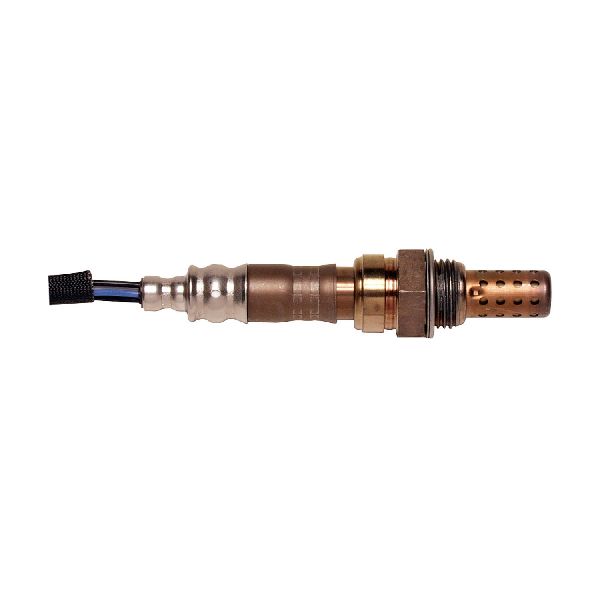
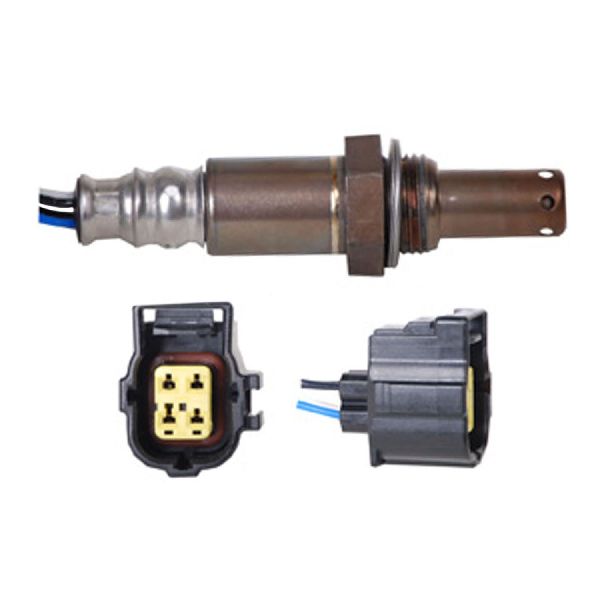
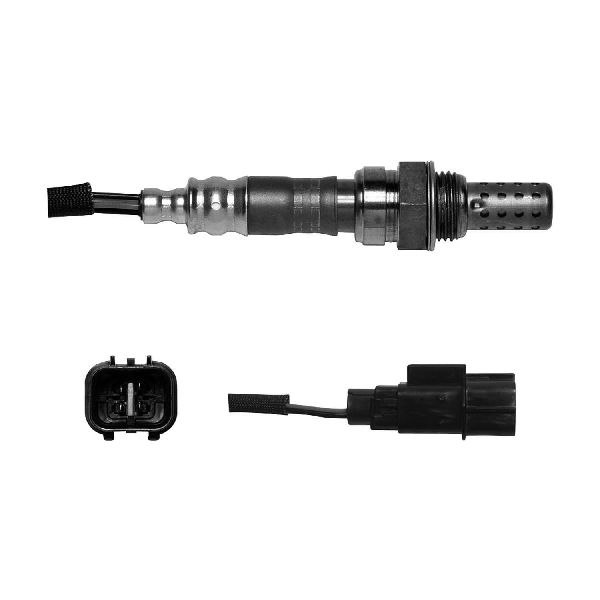
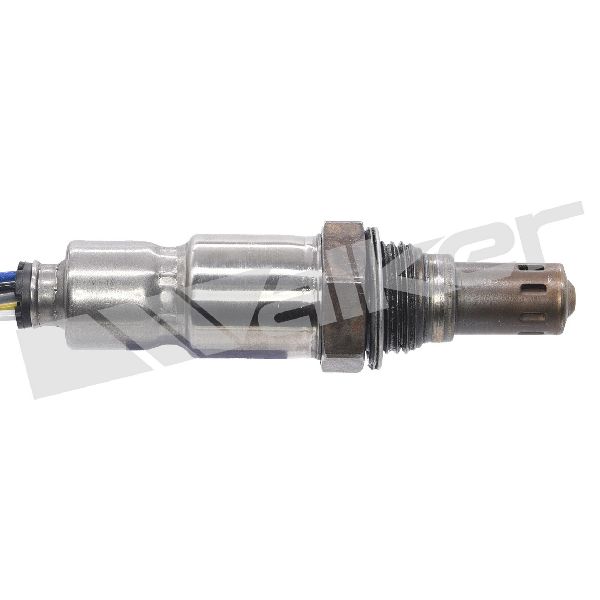
Your Outlander uses heated, 4-wire zirconia-type oxygen sensors. Upstream sensors are often called Air/Fuel Ratio sensors, while downstream sensors are monitoring sensors. The number of sensors (2 or 4) depends on whether you have the 4-cylinder or V6 engine.
We Have This Part in Stock


The information in this article is provided for general reference and educational purposes only. Vehicle specifications, procedures, and part compatibility can vary by production date, trim level, and region. Always consult your vehicle's factory service manual and verify part numbers before purchasing or performing repairs. Safety-critical components such as airbags, seat belts, and braking systems should be installed by a qualified professional.
- Mitsubishi Outlander:
- 🎬 Helpful Videos
- 🛍️ Shop This Part
- Is Your Outlander's Oxygen Sensor Failing?
- Symptoms of a Bad O2 Sensor in a 2003-2014 Outlander
- Generation & Engine Differences
- Choosing the Right Aftermarket Oxygen Sensor
- Brand Quality Tiers for Mitsubishi Outlander
- Known Issues & Bulletins
- Frequently Asked Questions
- 🎟️ Get 5% Off