

A Guide to the Automatic Transmission Mount for the 2003-2014 Toyota Matrix
If your Toyota Matrix is shaking, vibrating, or making clunking noises, a failing automatic transmission mount could be the culprit.
- The most common symptom of a bad transmission mount is a strong vibration at idle when the car is in gear.
- Toyota Matrix owners strongly recommend using OEM mounts over aftermarket to properly fix vibration issues.
- The job is DIY-friendly but requires supporting the transmission with a jack before starting.
- Ensure you order the correct mount for your specific engine (1.8L/2.4L) and drivetrain (FWD/AWD).
Is Your Toyota Matrix Vibrating or Clunking?
A bad automatic transmission mount is a common problem as a vehicle ages. The rubber inside the mount cracks, hardens, or collapses from years of heat and stress. When this happens, it can no longer support the transmission properly or absorb vibrations. This leads to several noticeable symptoms that can make your car uncomfortable to drive.
Symptoms of a Failing Transmission Mount
- Excessive Vibration: This is the most common sign. You'll feel a strong vibration through the steering wheel, floor, or dashboard, especially when the car is stopped at a light while in 'Drive' or 'Reverse'. The vibration often lessens once the car is moving.
- Clunking Noises: Hearing a 'clunk' or 'thud' from the engine bay when you accelerate, brake, or shift gears is a clear sign the transmission is moving too much.
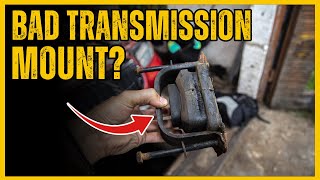
- Visible Movement: If you open the hood and have a friend shift the car from 'Drive' to 'Reverse' (with their foot firmly on the brake), you may see the entire engine and transmission assembly lurch or rock more than it should. 🎬 Watch this video to see how to diagnose bad mounts.
OEM vs. Aftermarket Mounts: A Word of Caution
While aftermarket parts offer significant cost savings, owner feedback for the Toyota Matrix is very clear: Original Equipment Manufacturer (OEM) mounts perform better and eliminate vibration more effectively. Many owners who installed budget aftermarket mounts reported that vibrations continued or even worsened. The rubber used in cheaper mounts is often too hard and does not absorb vibrations as well as the original Toyota part. If your primary goal is to restore a smooth, quiet ride, investing in an OEM mount is strongly recommended by other Matrix owners.
Choosing the Right Aftermarket Brand
If an OEM part is not in your budget, several aftermarket options are available. Be aware that these are generally considered economy-grade parts and may not solve vibration issues completely.
- Beck Arnley: Often viewed as a higher-quality aftermarket option. They sometimes source parts from the original manufacturers, but quality can be inconsistent.
- Anchor, DEA, and Westar: These are budget-friendly brands. Reviews for other vehicles suggest they may use harder rubber and thinner metal than OEM parts, which can lead to a rougher feel and potential fitment problems.
Replacement Cost
The cost to replace the automatic transmission mount depends on the parts you choose and who does the work. Replacing all four mounts at once is often recommended, but this table shows the cost for replacing only the automatic transmission mount.
| Part/Service | Estimated Cost |
|---|---|
| New OEM Part | $110 - $165 |
| New Aftermarket Part | $57 - $89 |
| Shop Labor | $170 - $250 |
| Total (Aftermarket Part + Labor) | $227 - $339 |
| Total (OEM Part + Labor) | $280 - $415 |
Common Ordering Mistakes
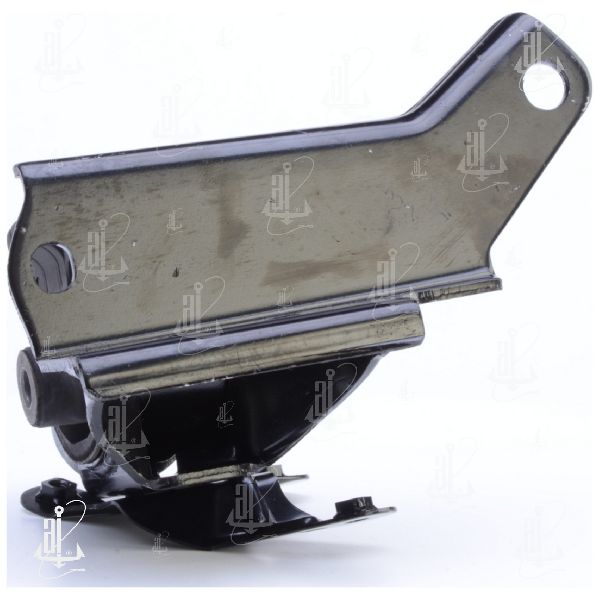
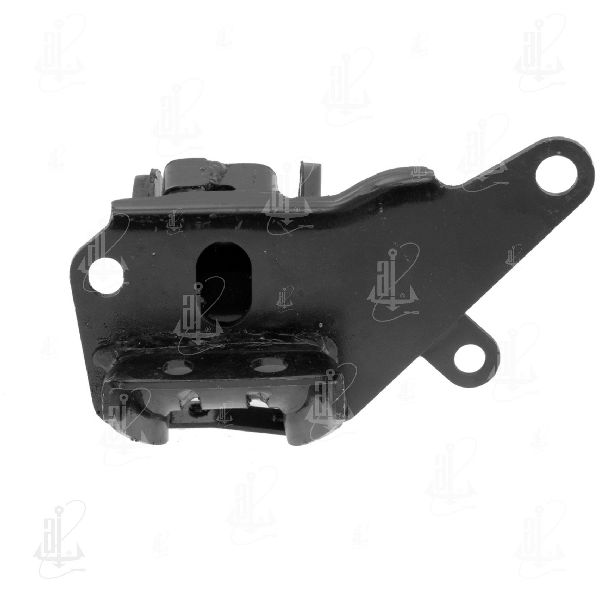
The Toyota Matrix was available with different engines (1.8L and 2.4L) and drivetrains (FWD and AWD). These configurations use different mounts. Always verify that the part you are ordering is an exact match for your vehicle's year, engine size, and drivetrain to avoid installation problems.
🎬 Watch a demonstration of motor mount replacement on this platform.Frequently Asked Questions
How many mounts does a Toyota Matrix have?
The Toyota Matrix typically has four mounts: a front mount, a rear mount, a right-side (passenger) mount, and a left-side (driver) transmission mount. They all work together to hold the powertrain in place.
Can I replace just the one bad transmission mount?
Yes, you can replace only the failed mount. However, when one mount fails, it puts extra stress on the others, which can cause them to wear out faster. For a long-term solution, mechanics often recommend replacing all mounts at the same time.
Is replacing the transmission mount a DIY job?
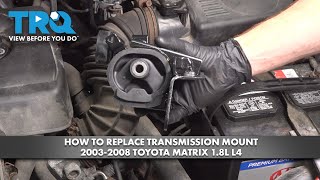
For a home mechanic with the right tools, this is a manageable job. It requires removing the battery and air filter box for access and safely supporting the transmission with a floor jack and a block of wood. If you are not comfortable with this process, it is best to have a professional mechanic do the work.
🎬 See this step-by-step walkthrough for replacing the transmission mount.Are there any recalls for the Toyota Matrix transmission mount?
No, there are no specific recalls from Toyota or the NHTSA for the transmission mount on the 2003-2014 Toyota Matrix.
Helpful Videos

Technical Specifications
OEM Part Numbers: 12372-0D110 12371-0D100
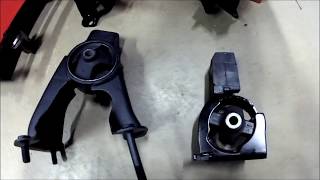
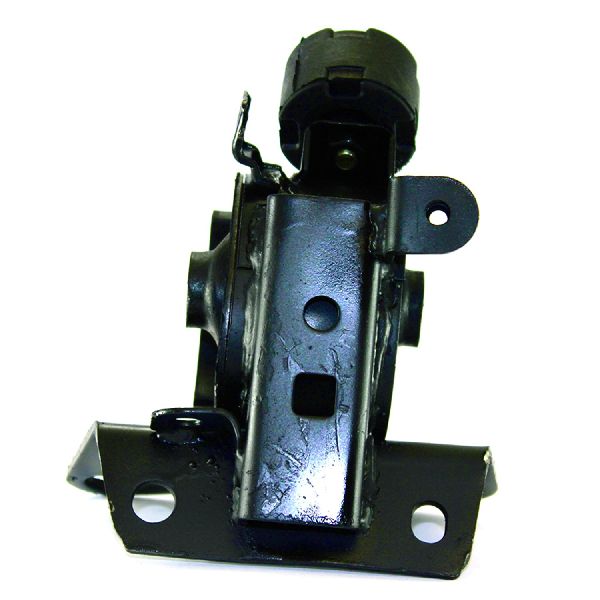
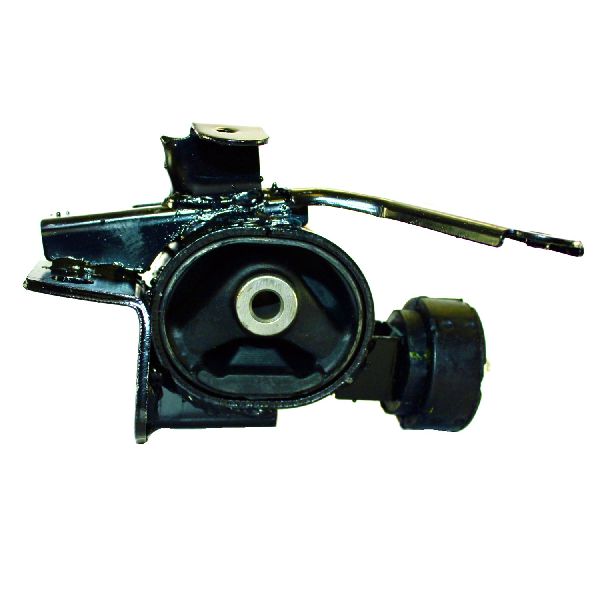
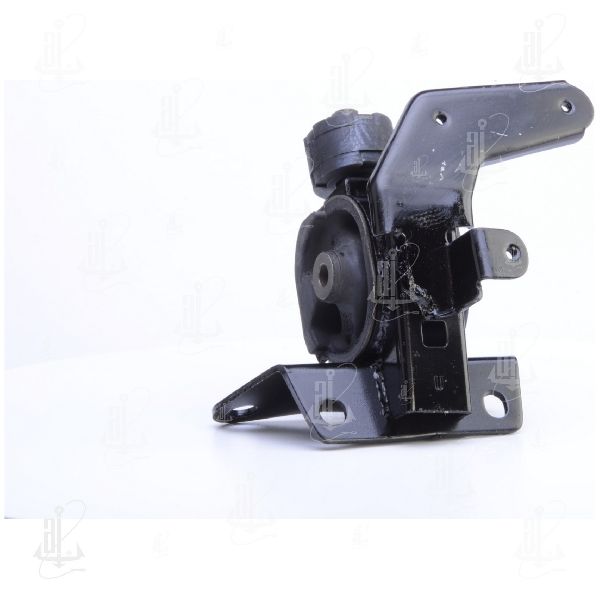
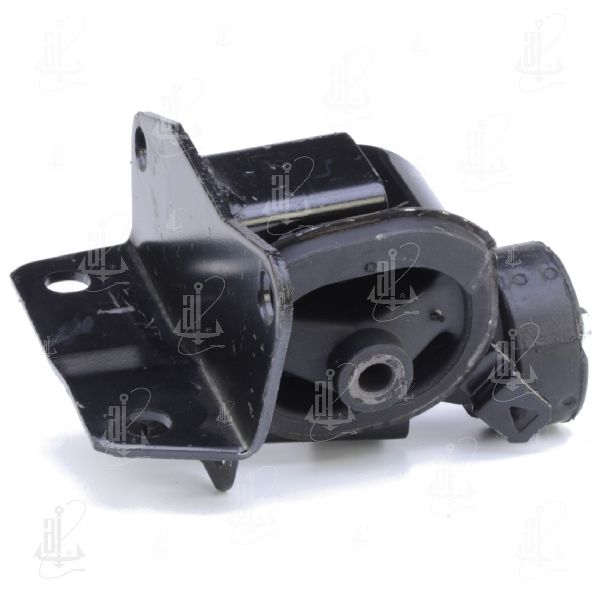
The Toyota Matrix uses a system of four mounts. The transmission mount is located on the driver's side and is typically made of solid rubber and metal. The passenger-side mount is a different, fluid-filled hydraulic design. Mounts vary between 1.8L and 2.4L engines.
We Have This Part in Stock

The information in this article is provided for general reference and educational purposes only. Vehicle specifications, procedures, and part compatibility can vary by production date, trim level, and region. Always consult your vehicle's factory service manual and verify part numbers before purchasing or performing repairs. Safety-critical components such as airbags, seat belts, and braking systems should be installed by a qualified professional.
- Toyota Matrix: