

Toyota Matrix Ignition Coil Guide: 2003-2014 Replacement & Diagnosis
A complete guide for Toyota Matrix owners to understand, diagnose, and replace failing ignition coils.
- A flashing check engine light is a critical warning; stop driving to prevent catalytic converter damage.
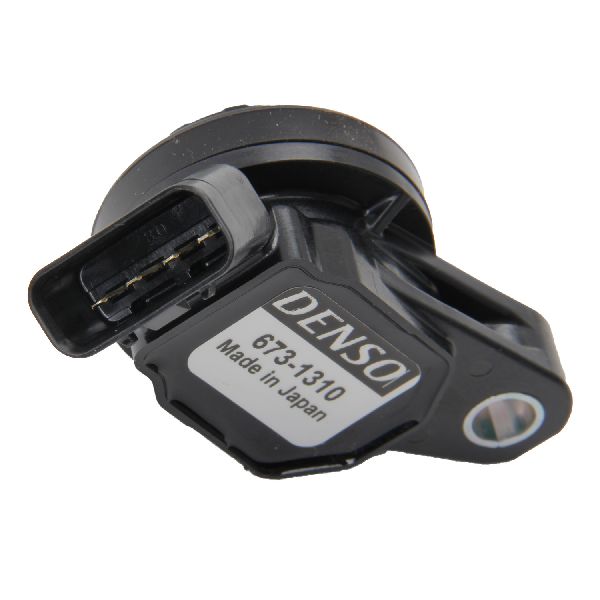
- Denso is the original equipment (OE) brand and the most recommended choice for reliability.
- Replacement is a very easy DIY job requiring only a 10mm socket, saving on labor costs.
- If one coil fails at high mileage, it is wise to replace all four coils and the spark plugs at the same time.
Signs of a Bad Ignition Coil

Ignition coil failure on the Toyota Matrix is a common issue as the vehicle ages. The original coils are durable, but they don't last forever. When one starts to fail, you will likely notice one or more of these symptoms:
- Check Engine Light: This is the most common sign. The light may be steady or, in severe cases, flashing. A flashing light indicates a serious misfire that can quickly damage your expensive catalytic converter. You will likely see codes such as P0300, P0301, P0302, P0303, or P0304. 🎬 Watch this video to see a Matrix misfire diagnosis in action.
- Rough Idle and Engine Vibration: The engine will feel shaky or uneven when you are stopped, because one cylinder isn't firing correctly.
- Poor Acceleration and Power Loss: Your Matrix may feel sluggish and slow to respond when you press the gas pedal.
- Reduced Fuel Economy: With a cylinder not burning fuel efficiently, your gas mileage will get worse.
- Engine Stalling or Hard Starting: In more severe cases, the engine may stall while driving or be difficult to start.
- Gasoline Smell: You might smell raw gasoline from the exhaust, as unburned fuel is passed through the engine.
Choosing the Right Aftermarket Ignition Coil

When replacing a coil, you have several options. For a reliable vehicle like the Matrix, choosing a quality part is important to avoid doing the job twice.
Aftermarket Brand Quality Tiers
| Tier | Brands | Description |
|---|---|---|
| Premium / OEM-Equivalent | Denso, NGK | Denso is the original equipment (OE) manufacturer for Toyota, making it a direct replacement for the factory part. NGK is another top-tier brand known for quality ignition components. These are your most reliable choices. Be cautious of counterfeit Denso parts on marketplaces, which can be hard to spot. |
| Quality Aftermarket | Beck Arnley, Hella, Bremi, Delphi, Bosch | These brands are known for producing quality parts that meet or exceed OEM specifications. They are a solid choice for a reliable repair without the premium price of an OE-branded part. |
| Standard / Value | Accel, Facet, Prenco, Karlyn STI | These brands offer a budget-friendly solution. While functional, forum discussions among owners suggest that very cheap, unbranded coils can have a much shorter lifespan and are more likely to fail prematurely. |
Cost to Replace Toyota Matrix Ignition Coils
| Part / Service | Estimated Cost |
|---|---|
| New Aftermarket Coil (1) | $36 - $128 |
| New OEM Coil (1) | $90 - $140 |
| Shop Labor (1 Coil) | $40 - $60 |
| Total at Shop (1 Coil) | $146 - $205 |
Frequently Asked Questions (FAQ)

Should I replace all four ignition coils at once?
If your Matrix has high mileage (over 100,000 miles) and one original coil fails, it's a good idea to replace all four. The other coils have experienced the same amount of wear and are likely to fail soon. This saves you from repeated repairs. If the car has lower mileage, replacing only the failed coil is acceptable.
Is replacing the ignition coils a DIY job?
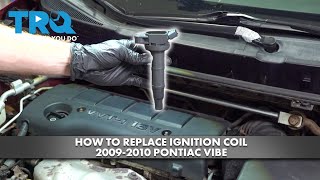
Yes, this is one of the easiest repairs you can do on a Toyota Matrix. The coils are located directly on top of the engine and held by a single 10mm bolt. The entire job for all four coils can typically be done in under 30 minutes with basic hand tools.
🎬 Watch a quick 10-minute walkthrough of the coil replacement process.Are the coils for the 1.8L and 2.4L engines the same?
No, they use different part numbers. The 1.8L (1ZZ-FE and 2ZR-FE engines) and 2.4L (2AZ-FE engine) have unique ignition coils. Always verify the part number for your specific engine and model year before ordering.
Why would a new coil fail quickly?
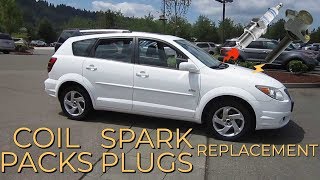
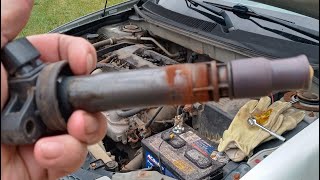
There are a few common reasons. First, using extremely cheap, low-quality coils can lead to premature failure. Second, worn-out spark plugs can put extra strain on the coils, causing them to fail; it's always best to replace spark plugs at the same time. 🎬 See how to replace both your coils and spark plugs together. Finally, oil leaking from the valve cover gasket can soak the coil boot and cause it to fail.
Do I need to do anything after replacing the coil?
After replacing the faulty coil(s), you should clear the diagnostic trouble codes with an OBD-II scanner. Then, start the car and ensure the engine is running smoothly and the check engine light does not return.
Helpful Videos
Technical Specifications
OEM Part Numbers: 90919-02239 90919-02252 90919-02258 90919-02244 90919-A2001 90919-A2006
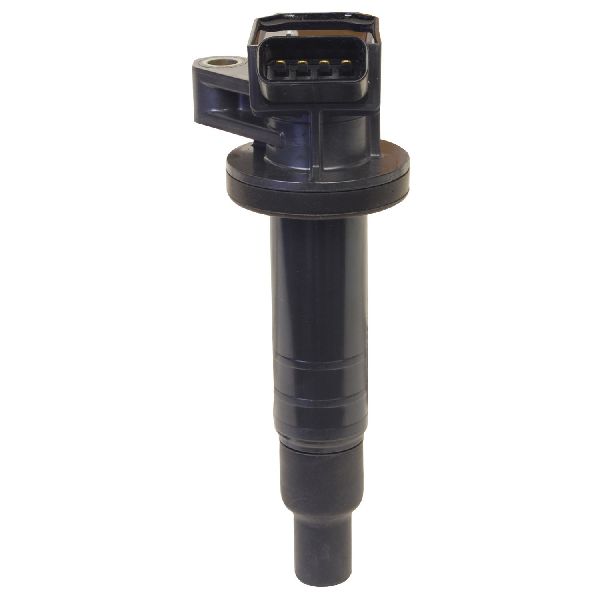
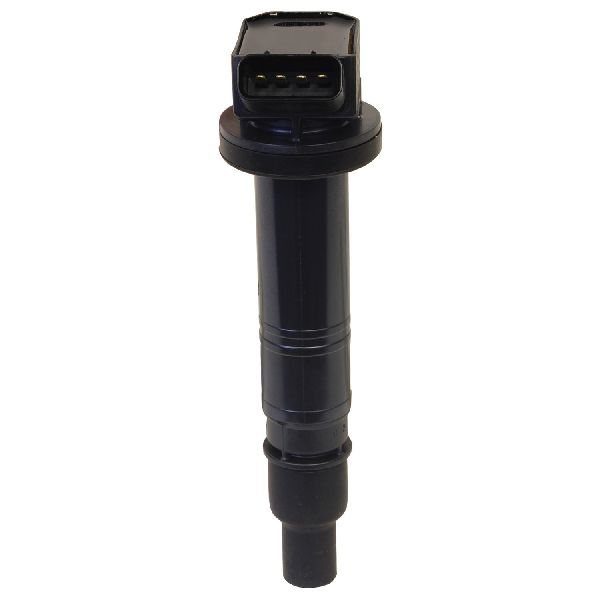
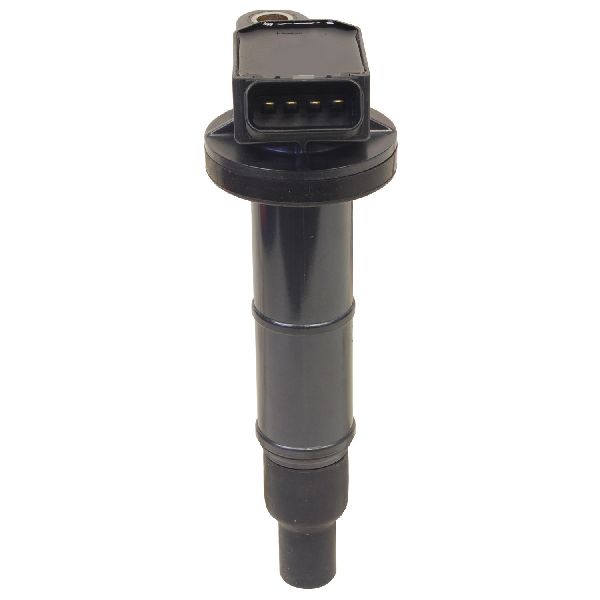
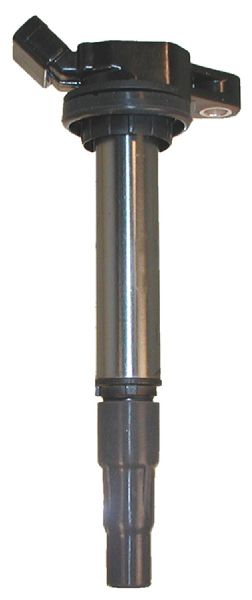
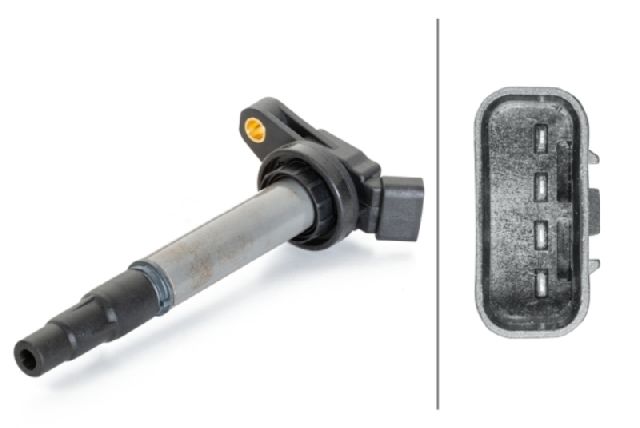
This is a coil-on-plug (COP) system. Each coil is held in place by a single 10mm bolt. There are different part numbers for the 1.8L (1ZZ-FE, 2ZR-FE) and 2.4L (2AZ-FE) engines.
We Have This Part in Stock

The information in this article is provided for general reference and educational purposes only. Vehicle specifications, procedures, and part compatibility can vary by production date, trim level, and region. Always consult your vehicle's factory service manual and verify part numbers before purchasing or performing repairs. Safety-critical components such as airbags, seat belts, and braking systems should be installed by a qualified professional.
- Toyota Matrix: