

Toyota Matrix Disc Brake Hardware Kit Guide (2003-2014)
Everything you need to know about replacing the small but crucial brake hardware on your 2003-2014 Toyota Matrix.
- Always replace the disc brake hardware kit when changing brake pads to prevent noise and ensure even wear.
- Seized caliper guide pins are a very common problem on the Matrix; ensure they are cleaned and properly lubricated during replacement.
- Choose aftermarket hardware with a protective coating (stainless steel or plated) for better rust resistance, especially in snow-belt regions.
- Verify the correct kit for your specific model (Base, XR, XRS, AWD) and axle (front/rear), as they are not interchangeable.
Is Your Toyota Matrix Making Brake Noises? It Might Be The Hardware.
When doing a brake job on your 2003-2014 Toyota Matrix, it's easy to focus only on the pads and rotors. However, the disc brake hardware kit is a low-cost part that makes a huge difference in performance and noise. Over time, these small metal clips and springs are exposed to intense heat and, in many climates, road salt. This causes them to lose their tension, rust, or break, leading to common brake problems.
Symptoms of Worn Brake Hardware
Ignoring old brake hardware can lead to annoying noises and uneven brake wear. The most common issues are directly related to either the anti-rattle clips or the caliper guide pins.
- Brake Rattle or Squealing: Worn or missing anti-rattle clips can cause the brake pads to vibrate in the caliper bracket, creating a rattling or squealing sound, especially over bumps or during light braking.
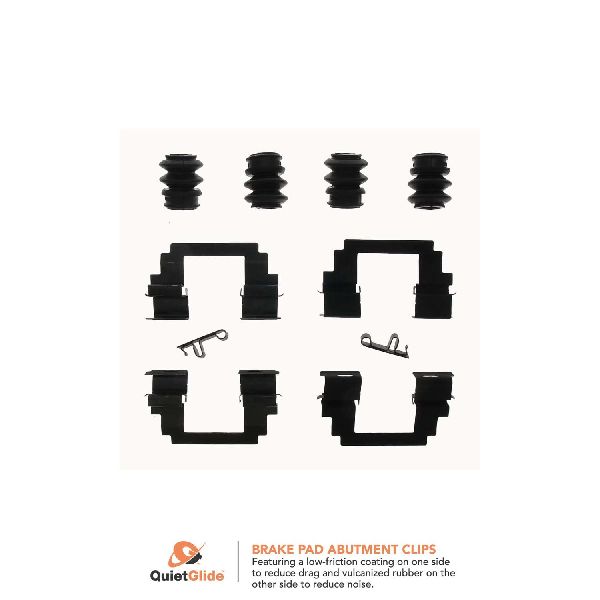
- Uneven Brake Pad Wear: This is a classic sign of a sticking caliper, often caused by a seized caliper guide pin. The hardware kit often includes new rubber boots to protect these pins. If a pin can't slide freely, only one pad will press firmly against the rotor, wearing it out much faster.
- Brake Drag or Pulling: A seized caliper slide pin can prevent the brake pad from retracting from the rotor, causing constant drag. This can make the car feel sluggish, pull to one side, and generate a burning smell from the affected wheel.
Known Issues for 2003-2014 Toyota Matrix Brakes
While there are no major recalls specifically for the brake hardware, Toyota has issued Technical Service Bulletins (TSBs) related to brake noise and wear that involve hardware components.
- TSB BR004-07: For 2003-2007 models, a TSB was released to address a front brake squeak when driving in reverse. The solution 🎬 See how to install new pads and hardware on 2003-2008 models. involved updated caliper mountings and pad support plates (hardware).
- TSB T-SB-0048-13: Some 2009-2013 models could experience uneven rear brake pad wear or grinding noises. An updated rear brake pad kit, which would include hardware, was released to fix this.
- Seized Caliper Pins: This is the single most common brake issue for the Matrix, especially in regions that use road salt. Rust and corrosion cause the caliper guide pins to seize in the bracket, leading to brake drag and rapid, uneven pad wear. When replacing hardware, it is critical to clean and lubricate these pins.
Choosing the Right Aftermarket Hardware Kit
For a daily driver like the Toyota Matrix, you don't necessarily need to buy expensive OEM hardware from a dealer. Many aftermarket brands offer excellent quality, often with improvements like better coatings to resist rust. The key is to avoid the absolute cheapest options, which may use thinner metal that rusts faster.
Aftermarket Brand Tiers
| Tier | Brands | Quality & Notes |
|---|---|---|
| Premium / OE-Style | Raybestos, Beck Arnley, Centric | These brands are known for meeting or exceeding OEM specifications. Raybestos (Element3 line) and Centric are well-regarded for quality components. Beck Arnley often sources parts from the original equipment manufacturers. Kits from these brands frequently feature stainless steel or coated hardware for superior rust prevention. |
| Standard / Daily Driver | Carlson, Dynamic Friction, Dorman | These brands offer a great balance of quality and value for normal driving. Carlson specializes in brake hardware and is a reliable choice. Dynamic Friction is also a solid option. Dorman provides a direct replacement fit, but their quality can sometimes be inconsistent across different product lines, though they are generally reliable for basic hardware. |
| Economy | (Various low-price store brands) | While functional, the lowest-priced kits may use materials that are more prone to rust and may not have the same durability as higher-tier brands. For the small price difference, stepping up to a standard brand is usually worth it for longevity. |
Pro Tip: Always Replace, Never Reuse
Brake hardware is a single-use part. The clips lose their spring tension from heat cycles, and reusing them is a common cause of brake noise after a pad replacement. Since a new hardware kit is inexpensive, it should be considered a mandatory part of every brake pad 🎬 Watch a full walkthrough of replacing front brakes and hardware. and rotor job.
Frequently Asked Questions (FAQ)
Do I really need to replace the hardware with every brake job?
Yes. The anti-rattle clips are heat-cycled and lose tension, which is the primary cause of brake noise. The rubber boots for the guide pins can tear, allowing moisture and dirt to enter and cause seizing. For the low cost, it is essential preventative maintenance.
What's the difference between front and rear hardware kits?
Front and rear brake systems on the Matrix are different sizes and designs, so the hardware is not interchangeable. Furthermore, different submodels (e.g., Base, XRS, AWD) can have different brake components. Always verify the kit is correct for your specific vehicle's position (front/rear) and submodel before purchasing.
What are caliper slide pins and why do they seize?
Caliper slide pins (or guide pins) are bolts that allow the brake caliper to slide back and forth. This movement is necessary for the caliper to apply equal pressure to both brake pads. They seize when the protective rubber boot fails, allowing water and road salt to corrode the pin and its housing, preventing movement. This is a very common issue on the Matrix.
Can I just clean and reuse my old hardware?
While you can clean rust off old hardware, the metal clips will not have the correct tension to hold the pads securely and prevent noise. Cleaning and re-lubricating the caliper slide pins is a critical step, but the clips and boots themselves should always be replaced with new ones from the kit.
Helpful Videos
Technical Specifications
OEM Part Numbers: 04947-02110 04947-12110 04948-02050 04948-12100
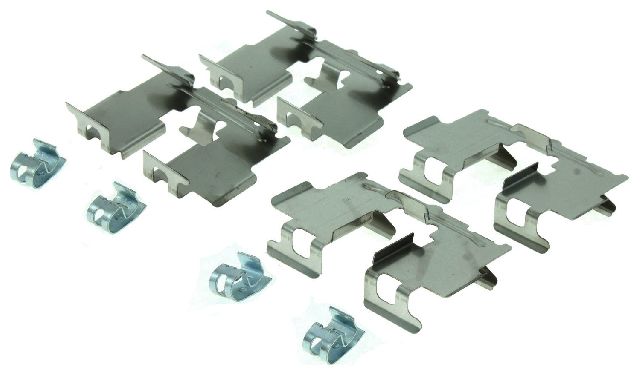
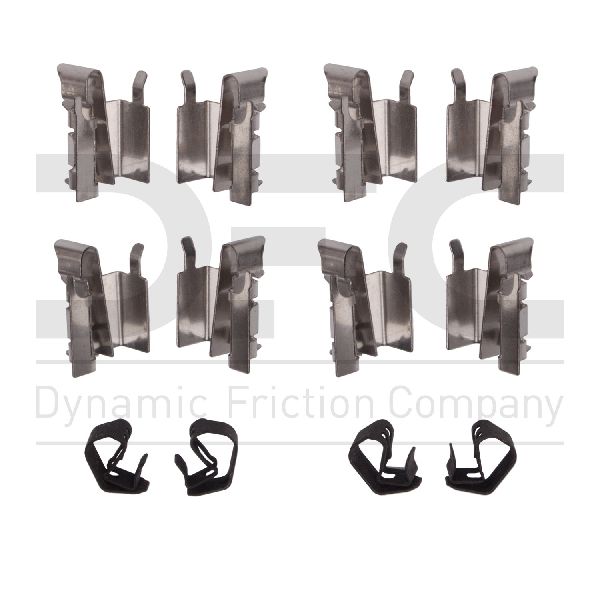
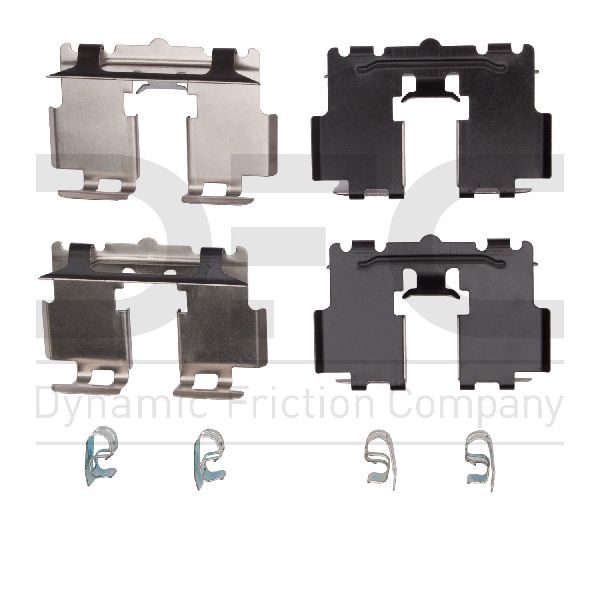
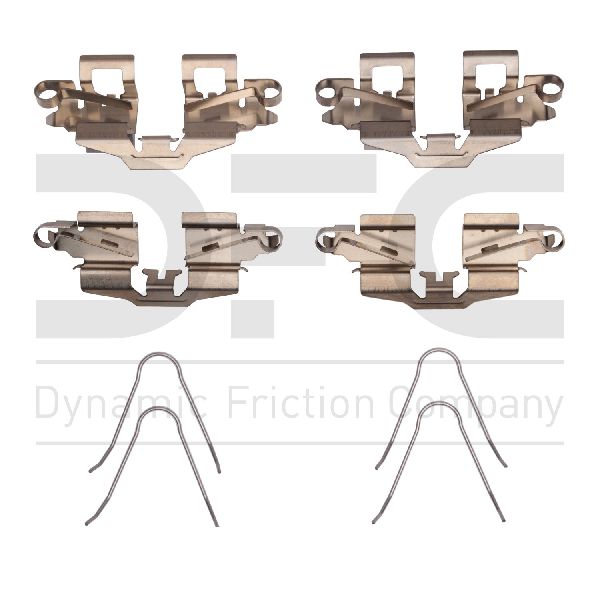
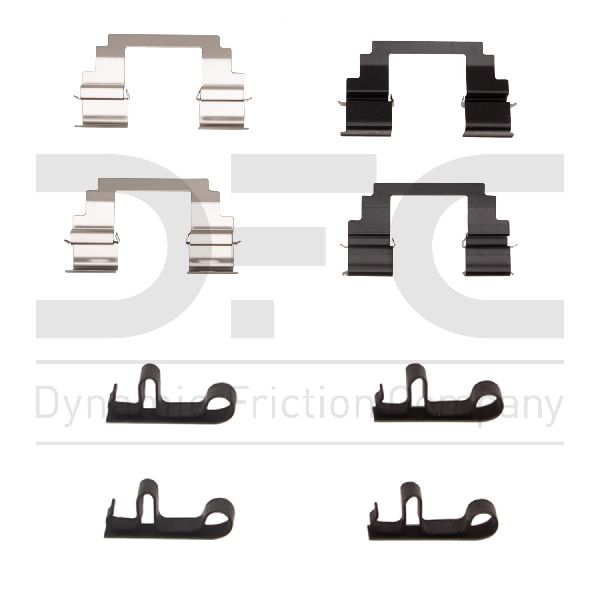
Kit typically includes anti-rattle clips (pad abutment clips), pad springs, and caliper guide pin boots. Materials vary from standard steel to coated or stainless steel for corrosion resistance.
We Have This Part in Stock

The information in this article is provided for general reference and educational purposes only. Vehicle specifications, procedures, and part compatibility can vary by production date, trim level, and region. Always consult your vehicle's factory service manual and verify part numbers before purchasing or performing repairs. Safety-critical components such as airbags, seat belts, and braking systems should be installed by a qualified professional.
- Toyota Matrix:
- 🎬 Helpful Videos
- 🛍️ Shop This Part
- Is Your Toyota Matrix Making Brake Noises? It Might Be The Hardware.
- Symptoms of Worn Brake Hardware
- Known Issues for 2003-2014 Toyota Matrix Brakes
- Choosing the Right Aftermarket Hardware Kit
- Aftermarket Brand Tiers
- Pro Tip: Always Replace, Never Reuse
- Frequently Asked Questions (FAQ)
- 🎟️ Get 5% Off