

A Toyota Matrix Owner's Guide to Replacing Disc Brake Rotors (2003-2014)
Everything you need to know to fix brake pulsation and choose the right new aftermarket rotors for your Matrix.
- The most common rotor issue on the Matrix is warping, causing vibration when braking.
- Consider upgrading to a coated, OE-quality aftermarket rotor to help prevent rust and premature warping.
- Always replace rotors in pairs (front or rear) and install new brake pads at the same time for best results.
- The job is straightforward for a DIY mechanic; just be sure to clean the hub surface and lubricate the caliper slide pins.
Is Your Toyota Matrix Telling You It Needs New Rotors?
The most common brake rotor problem reported by 2003-2014 Toyota Matrix owners is warping. This doesn't mean the rotor is bent like a potato chip, but that its surface has become uneven. This unevenness causes noticeable symptoms when you brake.
Common Failure Symptoms
| Symptom | Description |
|---|---|
| Vibration or Pulsation | You feel a pulsing in the brake pedal or a vibration in the steering wheel when you apply the brakes. This is the number one sign of uneven rotor wear or "warping" on the Matrix. |
| Squealing or Grinding Noises | Loud squealing or a metal-on-metal grinding sound during braking usually means your brake pads are completely worn out and are now damaging the rotors. You may also see grooves or scoring on the rotor surface. |
| Reduced Stopping Power | If your car takes longer to stop than it used to, your brake system is compromised. Thin or worn rotors can't dissipate heat effectively, which can lead to a dangerous condition called brake fade. |
A Note on Warped Rotors
Many owners report experiencing brake pulsation even with relatively low-mileage original equipment (OEM) rotors. The issue is often caused by uneven deposits of brake pad material on the rotor surface, or from the rotors themselves wearing unevenly. Because of this common complaint, simply replacing worn or warped rotors with another set of basic rotors may lead to the same problem down the road. Considering a quality aftermarket rotor is a very common and effective solution.
Choosing the Right Aftermarket Rotor for Your Matrix
With so many brands available, it's easy to get overwhelmed. The best choice depends on your budget and how you drive. We can group them into three main tiers.
Tier 1: Economy & Budget-Friendly
These are your basic, no-frills replacement rotors. They meet the minimum requirements to get your car safely back on the road and are the most affordable option. Brands like Pronto and Dynamic Friction often fall into this category.
- Best for: Light-duty daily commuting, selling the vehicle soon, or the tightest budgets.
- Downside: They typically lack protective coatings, making them susceptible to rust on the hub and edges. They may also be more prone to warping under heavy use, similar to the original stock rotors.
Tier 2: OE-Style & Daily Driver (Recommended)
This is the sweet spot for most Matrix owners. These rotors are designed to meet or exceed the quality of the original parts. Many feature a corrosion-resistant coating (often called an e-coat or G-coat) that keeps the non-braking surfaces looking clean and prevents rust from forming. This is a significant advantage, especially in areas where road salt is used.
- Best for: The vast majority of drivers looking for a durable, reliable, long-lasting replacement.
- Brands to look for: Centric (Premium line), Raybestos (R-Line), Wagner, Bosch, ACDelco (Gold/Professional), Advics.
Pro Tip: Always Replace in Pairs
Brake rotors must always be replaced in pairs (both front wheels or both rear wheels) to ensure even braking performance and prevent the car from pulling to one side. It is also highly recommended to install new brake pads at the same time you replace your rotors.
Tier 3: Performance & Heavy-Duty
If you live in a hilly area, frequently carry heavy loads, or just want the best possible braking performance, this tier is for you. These rotors are engineered for better heat dissipation, which is the key to preventing warping and brake fade. They often feature slots, cross-drilling, or both. Coated options are standard here.
- Best for: Spirited driving, mountainous terrain, or maximum longevity and performance.
- Brands to look for: Brembo, EBC Brakes, Hawk, Powerstop, StopTech.
Vehicle-Specific Issues & Recalls
Searches of the National Highway Traffic Safety Administration (NHTSA) database and other public records did not find any specific recalls or Technical Service Bulletins (TSBs) for the disc brake rotors on the 2003-2014 Toyota Matrix. The most common owner-reported issue is the tendency for rotors to warp and cause brake pedal pulsation. This is not considered a safety defect by the manufacturer but is a common maintenance issue. Proper installation, including cleaning the hub surface and lubricating caliper slide pins, is critical to prevent premature warping.
Cost to Replace Toyota Matrix Brake Rotors
| Part/Service | Estimated Cost (Per Axle) |
|---|---|
| New Aftermarket Rotors (Pair) | $55 - $350+ |
| New OEM Rotors (Pair) | $125 - $190 |
| Shop Labor | $150 - $250 |
| Total Professional Replacement (Aftermarket) | $205 - $600+ |
Frequently Asked Questions
Can I just replace the brake pads and not the rotors?
If your current rotors are still thick enough (above the minimum thickness stamped on the rotor) and are not warped or grooved, you can sometimes install new pads on them. However, for the Toyota Matrix, it is highly recommended to replace the rotors and pads together. This ensures a fresh, flat surface for the new pads to bed into, preventing noise and the vibration issues this car is known for.
Should I get my old rotors resurfaced (machined)?
While this was once common practice, it is generally not recommended anymore. Aftermarket rotors are affordable, and resurfacing a rotor makes it thinner, reducing its ability to absorb heat and making it more likely to warp again quickly. For the cost of machining, you are often better off putting that money towards new, higher-quality rotors.
What tools do I need to replace the rotors myself?
A DIY rotor replacement on a Matrix is very feasible. You will need a jack and jack stands, a lug wrench, a ratchet with 14mm and 17mm sockets, a C-clamp or piston spreader to compress the caliper piston, and brake cleaner. Some rotors may be stuck and require M8 x 1.25 bolts to push them off using the threaded holes in the rotor hat.
What is the difference between front and rear rotors?
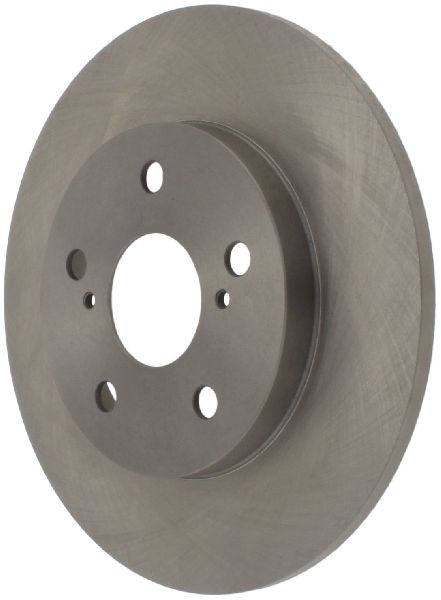
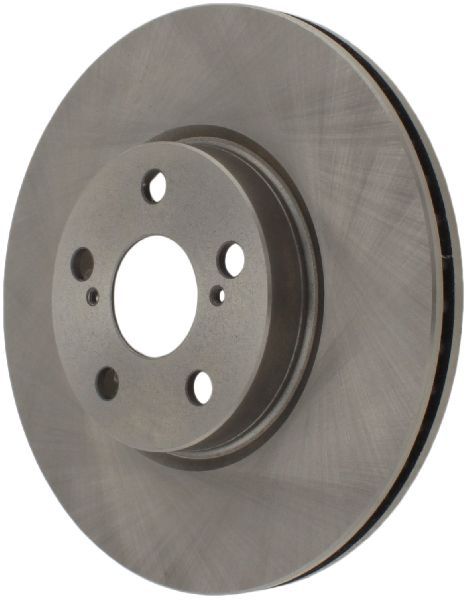
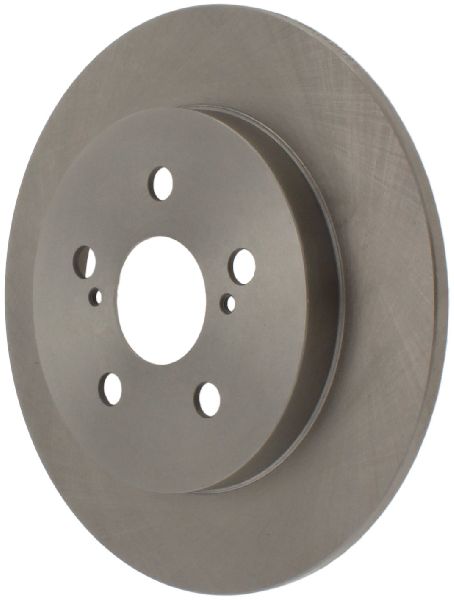
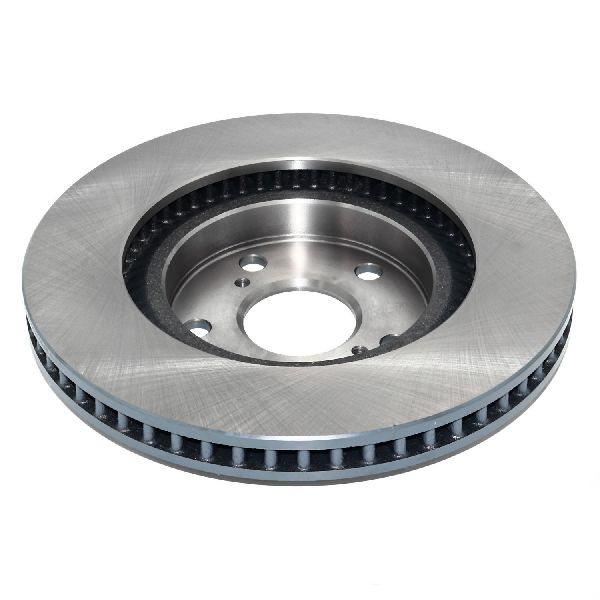
Front and rear rotors are not interchangeable. The front brakes do most of the stopping, so the front rotors are typically larger and thicker than the rear rotors. Some base model Matrix vehicles may have drum brakes in the rear, which do not use rotors. Always confirm your vehicle's specific setup before ordering parts.
Technical Specifications
OEM Part Numbers: 43512-02111 43512-02240 42431-02200 43512-02250 42431-02220
Varies by model year, trim (Base, XR, XRS), and drivetrain (FWD vs AWD). Front rotors are vented. Rear brakes can be either disc or drum depending on the model. Always verify fitment using your vehicle's VIN. Common bolt patterns are 5x100mm for the first generation (2003-2008) and 5x114.3mm for the second generation XRS/2.4L (2009-2014).
We Have This Part in Stock
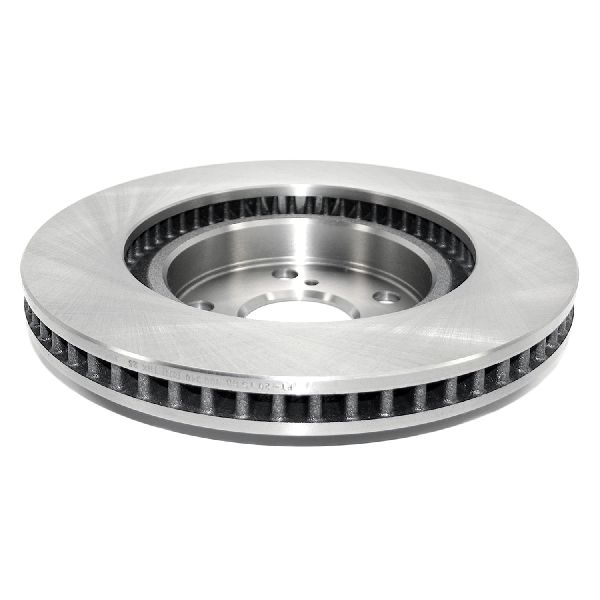
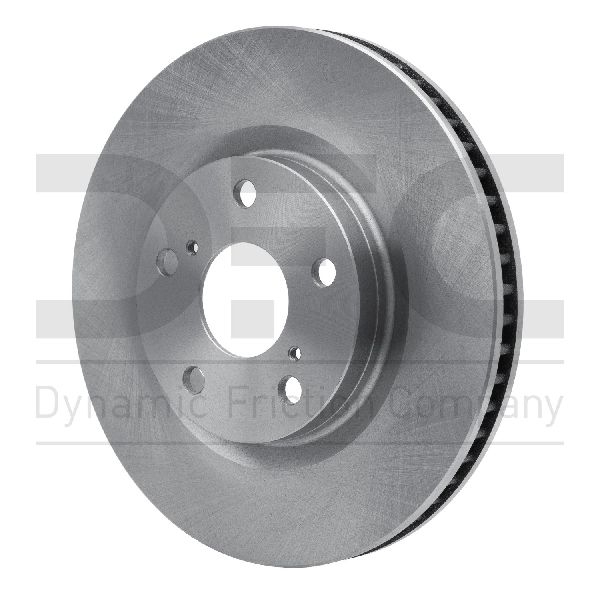

The information in this article is provided for general reference and educational purposes only. Vehicle specifications, procedures, and part compatibility can vary by production date, trim level, and region. Always consult your vehicle's factory service manual and verify part numbers before purchasing or performing repairs. Safety-critical components such as airbags, seat belts, and braking systems should be installed by a qualified professional.
- Toyota Matrix:
- 🛍️ Shop This Part
- Is Your Toyota Matrix Telling You It Needs New Rotors?
- Common Failure Symptoms
- A Note on Warped Rotors
- Choosing the Right Aftermarket Rotor for Your Matrix
- Tier 1: Economy & Budget-Friendly
- Tier 2: OE-Style & Daily Driver (Recommended)
- Pro Tip: Always Replace in Pairs
- Tier 3: Performance & Heavy-Duty
- Vehicle-Specific Issues & Recalls
- Cost to Replace Toyota Matrix Brake Rotors
- Frequently Asked Questions
- 🎟️ Get 5% Off