

Toyota Matrix Engine Camshaft Position Sensor Guide (2003-2014)
Fix stalling, rough idling, and starting problems in your Matrix by choosing the right sensor.
- A failing camshaft sensor can cause serious drivability and safety issues, including engine stalling.
- For best results, use an OEM (Toyota) or an OEM-supplier brand like Denso or Hitachi.
- This is an easy and inexpensive DIY repair that most owners can complete in under 30 minutes with basic tools.
- The most common trouble code associated with this failure is P0340.
Is Your Toyota Matrix Stalling or Running Rough?
A failing camshaft position sensor can cause a range of frustrating engine problems. Because this sensor is vital for engine timing, when it starts to go bad, it sends incorrect or no information to the car's computer. This can make your Matrix difficult to start, cause it to stall unexpectedly, or run poorly. The most common sign is a Check Engine Light, often with the code P0340.
Symptoms of a Bad Camshaft Position Sensor
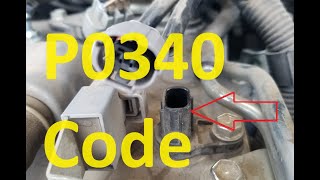
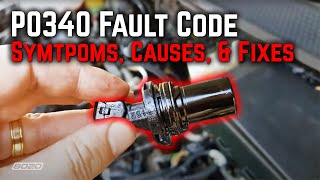
- Check Engine Light: This is the most common symptom. A code reader will often show P0340, which points to a problem in the camshaft position sensor circuit. 🎬 Watch: Understanding the causes and fixes for the P0340 code.
- Engine Stalling: The engine may shut off while you are driving or idling at a stoplight. This can be a serious safety concern.
- Hard Starting or No Start: The car may crank for a long time before starting, or it might not start at all. This happens because the computer doesn't know when to fire the injectors and spark plugs.
- Rough Idle and Misfires: The engine may shake, sputter, or run unevenly when stopped.
- Poor Acceleration: You might notice the car feels sluggish, hesitates, or lacks power when you press the gas pedal.
- Decreased Fuel Economy: When timing is off, the engine burns more fuel than necessary.
Don't Ignore the Signs
While you might be able to drive with a failing camshaft sensor, it's not recommended. The risk of the engine stalling in traffic is a significant safety hazard. Addressing the issue promptly prevents further problems and ensures your vehicle is safe to drive.
Choosing the Right Aftermarket Sensor
When replacing the camshaft position sensor on your Matrix, you have a choice between original equipment (OEM) and aftermarket parts. For a critical electronic part like this, quality matters.
- Tier 1: OEM Supplier Brands: The original sensor in your Toyota was likely made by Denso. Buying a Denso-branded sensor is often the same as getting the genuine Toyota part, but at a lower cost. Other brands known for being OEM suppliers to many carmakers, like Hitachi and Delphi, are also excellent choices that offer high reliability.
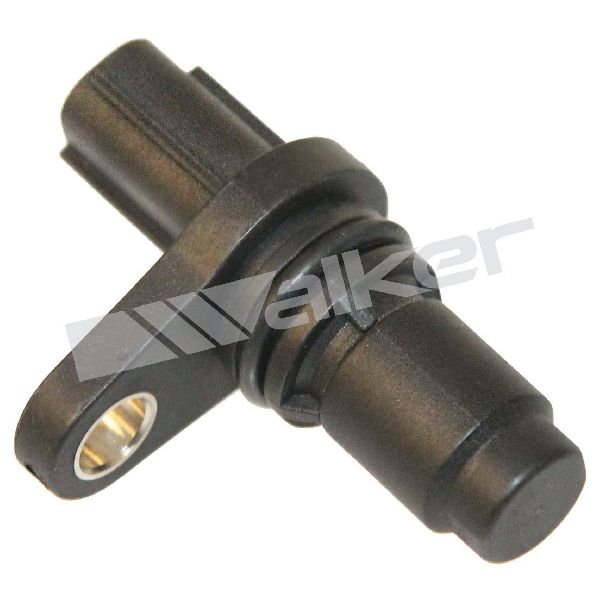
- Tier 2: Reputable Aftermarket Brands: Brands like Standard Motor Products (SMP), NGK, and Walker Products have a long history of making quality replacement parts. They are generally considered reliable and are a good balance between cost and quality. Some SMP parts are even repackaged OEM parts.
- Tier 3: Budget-Friendly Options: Brands like Dorman, URO Parts, and other lower-priced options can be a gamble. While they may work fine initially, some owners report a higher failure rate with budget sensors. For a part that is easy to replace and low-cost, it might be a risk you're willing to take. However, for peace of mind, sticking with a Tier 1 or Tier 2 brand is often worth the small extra cost.
Pro Tip: For Toyota vehicles, it's often best to use an OEM or Denso sensor. Many experienced mechanics and owners in online forums recommend sticking with these brands for critical sensors to avoid compatibility issues and premature failure.
Cost to Replace a Toyota Matrix Camshaft Position Sensor
| Item | Estimated Cost |
|---|---|
| New Aftermarket Part | $27 - $176 |
| New OEM Part | $140 - $205 |
| Shop Labor | $50 - $100 |
| Total (DIY) | $27 - $176 |
| Total (Shop) | $77 - $276 |
Costs are estimates and can vary based on your location, vehicle, and the specific parts used.
Frequently Asked Questions
Where is the camshaft position sensor located on a 2003-2014 Toyota Matrix?
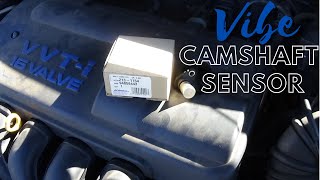
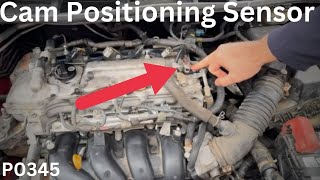
The camshaft position sensor is mounted on the cylinder head, typically on the side of the engine near the top. On the 1.8L engines used in the Matrix, it is easily accessible, held in by a single 10mm bolt.
🎬 See this video for the exact sensor location on a Matrix.Can I replace the camshaft position sensor myself?
Yes, this is a very DIY-friendly job. The sensor is held by one bolt and has a simple electrical connector. The entire replacement process usually takes less than 30 minutes and requires only basic hand tools, like a 10mm socket and ratchet.
🎬 Watch this step-by-step guide to replacing the sensor yourself.Are there any recalls for the camshaft position sensor on the Toyota Matrix?
No, there are no specific recalls issued by Toyota or NHTSA for the camshaft position sensor on the 2003-2014 Toyota Matrix. Recalls for this vehicle range have primarily focused on airbags and other components.
What is the difference between a camshaft and crankshaft sensor?
They work together. The camshaft sensor tracks the cam's position for valve timing, while the crankshaft sensor tracks the crankshaft's position for piston location. The computer uses both signals to run the engine. A failure in either sensor can cause similar symptoms, but they are two distinct parts.
Could something else cause a P0340 code?
Yes. While a faulty sensor is the most common cause, the P0340 code indicates a problem in the circuit. This could also be caused by damaged wiring, a corroded connector, or, in rare cases, a problem with the engine computer (ECM). It's always a good idea to inspect the wiring and connector for damage or oil contamination before replacing the sensor.
Helpful Videos
Technical Specifications
OEM Part Numbers: 90919-05026 90919-05007
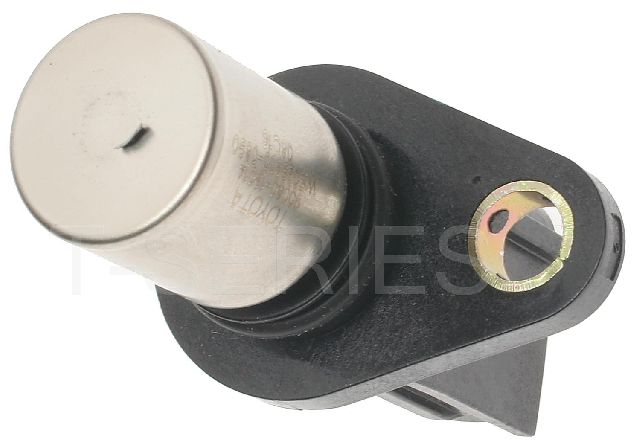
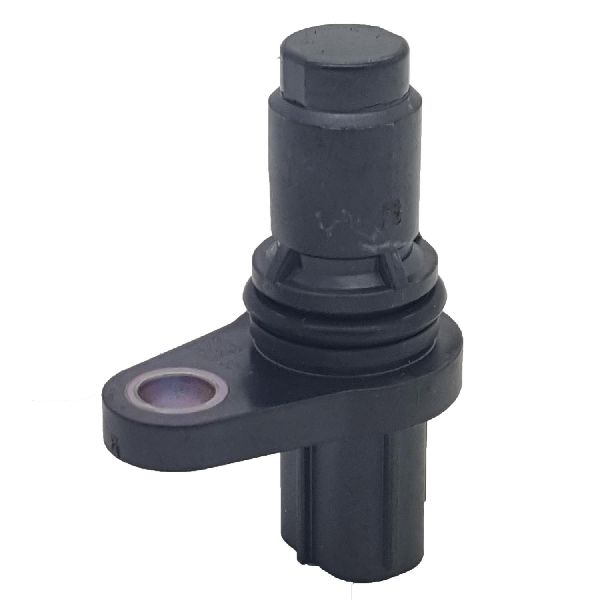
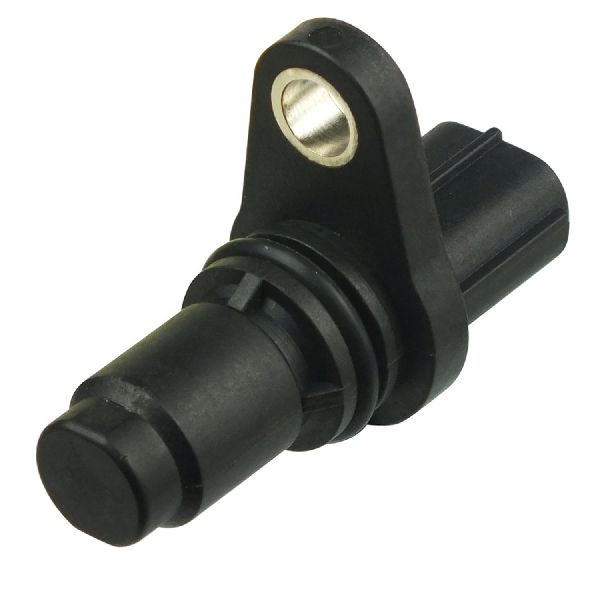
The sensor is located on the cylinder head and is held in place by a single 10mm bolt. It uses a Hall Effect or magnetic pickup to generate a signal based on the rotation of teeth on the camshaft.
We Have This Part in Stock


The information in this article is provided for general reference and educational purposes only. Vehicle specifications, procedures, and part compatibility can vary by production date, trim level, and region. Always consult your vehicle's factory service manual and verify part numbers before purchasing or performing repairs. Safety-critical components such as airbags, seat belts, and braking systems should be installed by a qualified professional.
- Toyota Matrix: