

Toyota Matrix Mass Air Flow Sensor: A Guide for 2003-2014 Models
Solve common engine problems like a rough idle, poor gas mileage, and stalling on your Toyota Matrix.
- A failing MAF sensor is a very common cause of the P0171 (System Too Lean) code on a Toyota Matrix.
- Always try cleaning the sensor with dedicated MAF cleaner before buying a new one; it can often solve the problem.
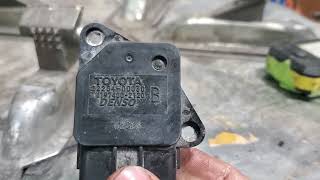
- Denso is the original manufacturer; choosing this brand for your replacement is the most reliable option for long-term performance.
- Replacement is a very simple 15-minute DIY job that only requires a screwdriver, saving you on labor costs.
Understanding Your Matrix's MAF Sensor

The Mass Air Flow (MAF) sensor is a sensitive electronic part that tells your engine's computer how much air it's breathing. When it works correctly, your Matrix runs smoothly and efficiently. But when it gets dirty or fails, it can cause a variety of frustrating engine problems. Because the Toyota Matrix shares its engine with the Corolla, this is a well-documented issue, and thankfully, it's usually simple to fix.
Symptoms of a Failing MAF Sensor

A bad MAF sensor sends bad information to the engine's computer, leading to the wrong air-to-fuel mixture. This can make your car act up in several ways:
- Check Engine Light: This is the most common sign. The code is often P0171 (System Too Lean), which is very common for this issue on Toyotas. You might also see codes like P0101, P0102, or P0103.
- Rough Idle: The engine may shake or shudder when you're stopped at a light.
- Poor Fuel Economy: If you're filling up your gas tank more often than usual, a bad MAF sensor could be wasting fuel.
- Hesitation and Stalling: The car might hesitate, jerk, or even stall completely when you try to accelerate.
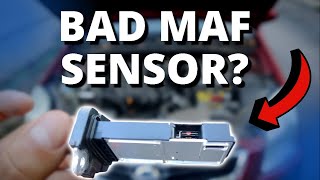
- Lack of Power: Your Matrix may feel sluggish and slow to respond when you press the gas pedal. 🎬 Watch: A visual guide to common bad MAF sensor symptoms.
- Hard Starting: The engine may crank for a long time before it starts, or it might not start at all.
A Note on TSB for 2009 Models
For some 2009 Toyota Matrix and Corolla vehicles, a Technical Service Bulletin (TSB-0379-08) was issued. It noted that codes like P0101 and P0171 could be caused by a problem in the engine's wiring harness, not the sensor itself. If you have a 2009 model, be aware that a new sensor might not fix the problem if the wiring is the real issue.
Choosing the Right Aftermarket MAF Sensor

When replacing your MAF sensor, you'll find many brands at different prices. Since this is a sensitive electronic part, quality matters. A cheap, poorly made sensor can fail quickly or provide inaccurate readings, leaving you with the same problems.
Here’s a breakdown of your options:
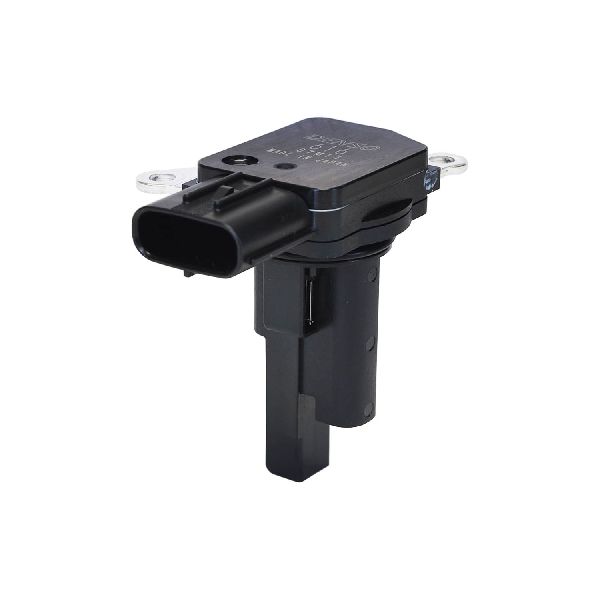
- OEM Supplier (Best Choice): Denso is the original company that made the MAF sensor for Toyota. Buying a Denso-branded sensor gives you the exact same quality and performance as the part from a Toyota dealer, but usually for less money. This is the most reliable option.
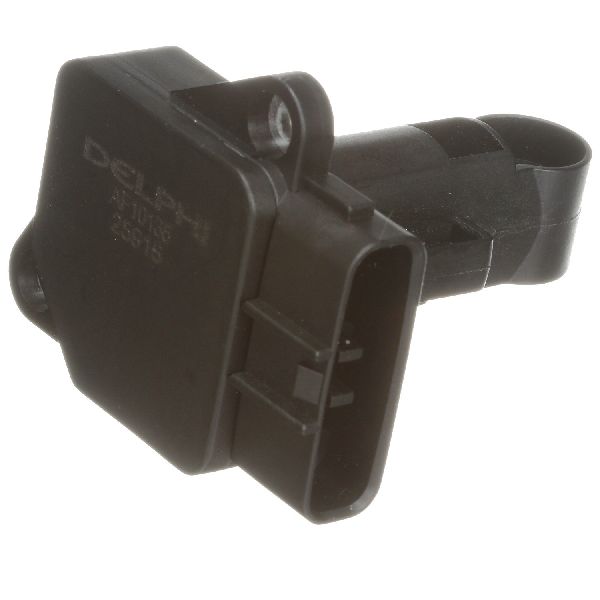
- Premium Aftermarket: Brands like Delphi, NGK (also sold as NTK), and Hella have a strong reputation for making quality electronic parts that meet or exceed original specifications. They are excellent alternatives to the OEM part.
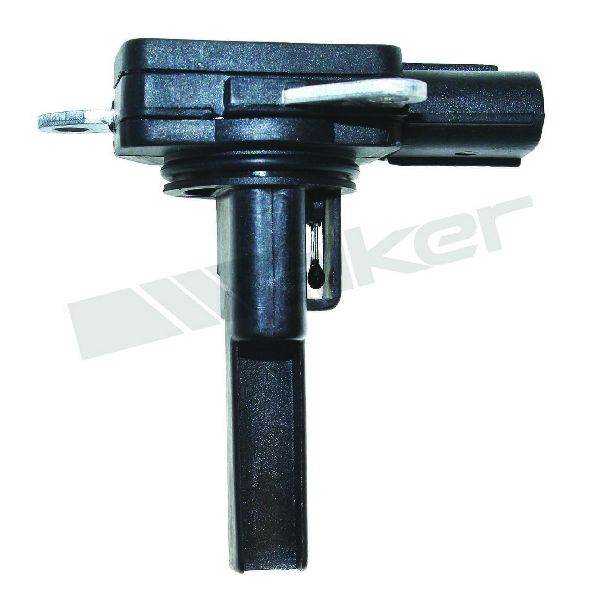
- Standard Aftermarket: Brands such as Spectra, Walker Products, and Standard Ignition (SMP) are generally reliable mid-range choices that offer a good balance of price and quality for daily drivers.
- Budget & Remanufactured: Brands like Cardone (often remanufactured), DriveWire, and other lower-priced options can be a gamble. While they can save you money upfront, they have a higher risk of being poorly calibrated or failing prematurely. Use caution with the cheapest options.
Cost to Replace a Toyota Matrix MAF Sensor
| Part Type | Estimated Cost |
|---|---|
| New OEM (Toyota-Branded) | $140 - $250 |
| New Aftermarket (OEM Supplier - Denso) | $95 - $140 |
| New Aftermarket (Other Brands) | $55 - $221 |
| Shop Labor | $50 - $125 |
Easy DIY Installation
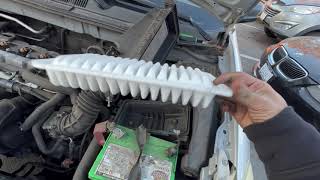
Replacing the MAF sensor on a 2003-2014 Matrix is one of the easiest repairs you can do. It's held in by two screws and an electrical plug. You only need a Phillips head screwdriver. The sensor is located right on the air filter housing, making it easy to access. The entire job takes less than 15 minutes, saving you money on labor costs.
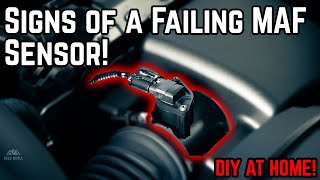
🎬 See this quick walkthrough for replacing your Matrix MAF sensor.Frequently Asked Questions

Can I just clean my MAF sensor instead of replacing it?
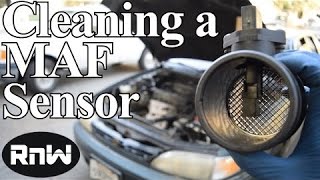
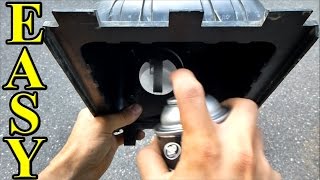
Yes, and you should try cleaning it first! Often, a dirty sensor is the cause of the problem, especially for the P0171 code. Purchase a can of dedicated MAF sensor cleaner from an auto parts store. Do NOT use brake cleaner or carburetor cleaner, as they will destroy the sensor. The process is simple: remove the sensor, spray the cleaner on the small wires inside, let it dry completely, and reinstall it. If this doesn't fix the issue, you need a replacement.
🎬 Watch: Detailed steps on how to safely clean your sensor.Is a Denso sensor worth the extra cost over cheaper brands?
For a sensitive part like the MAF sensor, yes. Denso was the original manufacturer for your Matrix. This guarantees a perfect fit and, more importantly, accurate readings that the engine computer expects. Cheaper sensors can be poorly calibrated, leading to continued performance issues, poor fuel economy, and another Check Engine Light.
What happens if I don't replace a bad MAF sensor?
You can continue driving, but the engine will run poorly. You will experience bad gas mileage, poor acceleration, and possible stalling, which can be unsafe. If the engine runs too lean (too much air, not enough fuel) for a long time, it can cause expensive damage to the engine and catalytic converter.
Are the MAF sensors different for the 1.8L and 2.4L engines?
No, for the most part, the same sensor is used across the different engines available in the Matrix for a given generation. However, the part did change between the first generation (2003-2008) and the second generation (2009-2014). Always confirm the fitment for your specific year and engine before buying. The OEM part number for the 2003-2008 models is typically 22204-22010, while later models use a different part.
Do I need to disconnect the battery or reset the computer after replacement?
It's good practice to disconnect the negative battery terminal before starting any electrical work. After installing the new sensor, the Check Engine Light may turn off on its own after a few drive cycles. You can also clear the codes immediately with an OBD-II scanner or by leaving the battery disconnected for about 15 minutes.
Helpful Videos
Technical Specifications
OEM Part Numbers: 22204-22010 22204-0D030 22204-0C020 22204-28010 22204-0T020 22204-37010
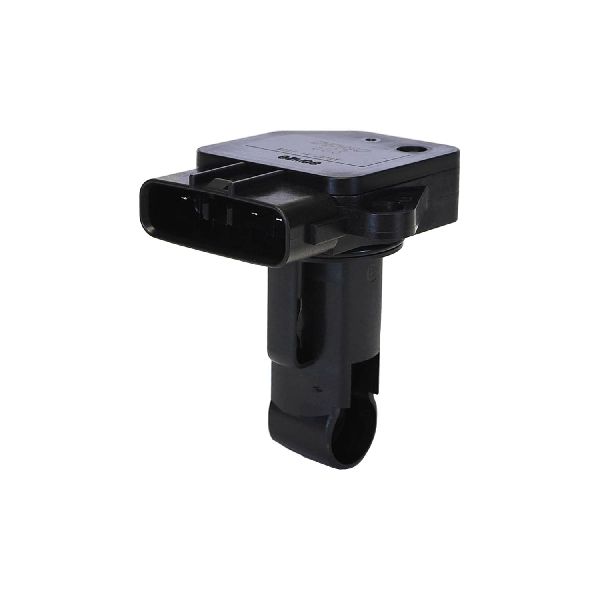
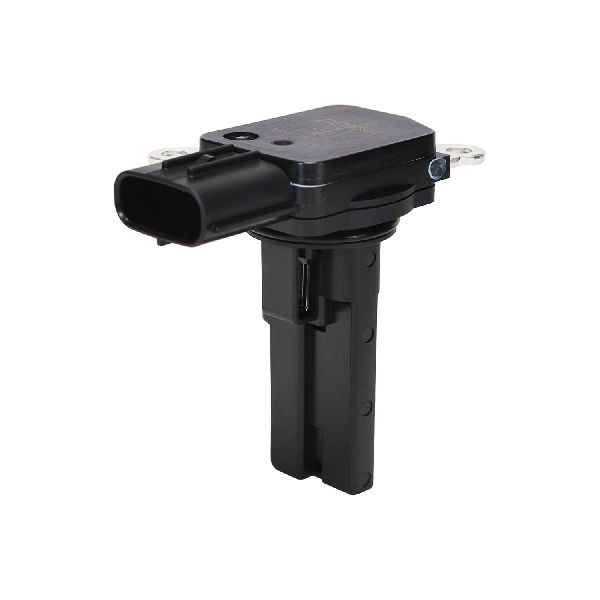
The sensor is a 'hot-wire' type insert held in place by two screws. It has a 5-pin blade-style electrical connector. The correct part number varies between the 2003-2008 and 2009-2014 generations.
We Have This Part in Stock


The information in this article is provided for general reference and educational purposes only. Vehicle specifications, procedures, and part compatibility can vary by production date, trim level, and region. Always consult your vehicle's factory service manual and verify part numbers before purchasing or performing repairs. Safety-critical components such as airbags, seat belts, and braking systems should be installed by a qualified professional.
- Toyota Matrix: