

Toyota Matrix Radiator Replacement and Aftermarket Guide (2003-2014)
Everything you need to know before replacing the radiator in your 2003-2014 Toyota Matrix.
- Radiator failure is common due to cracks in the plastic side tanks, leading to coolant leaks.
- For a reliable replacement, choose an OEM-equivalent brand like Denso, Koyorad, or CSF.
- Replacing the radiator is a manageable DIY job for many owners, which can save on labor costs.
- Always use Toyota Super Long Life (pink) coolant and consider replacing the radiator cap with the radiator.
Is Your Toyota Matrix Radiator Failing?
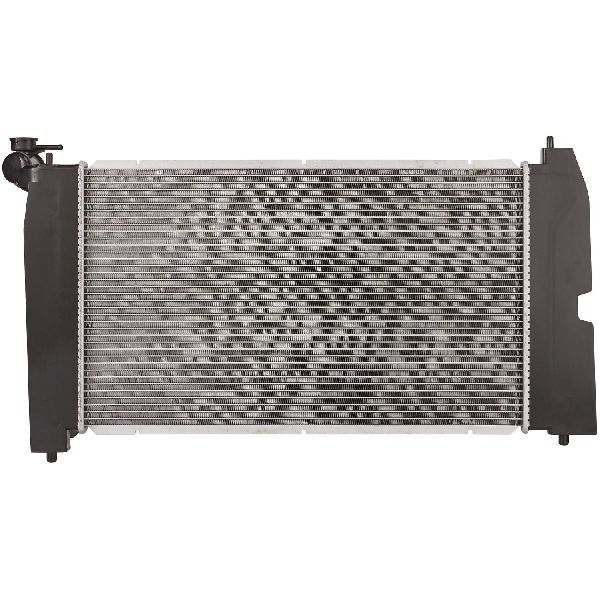
The radiator in the Toyota Matrix is a reliable part, but like any component, it can fail over time. The most common failure is the development of cracks in the plastic side tanks, which are attached to the aluminum core. These cracks lead to coolant leaks, which is the primary reason for replacement. Age and constant exposure to heat and pressure are the main culprits.
Key Failure Symptoms:
- Engine Overheating: The most obvious sign. If your temperature gauge is in the red or you see steam from under the hood, pull over immediately.
- Visible Coolant Leaks: You might see puddles of bright green, pink, or orange fluid under the front of your car. This is the Toyota Super Long Life coolant.
- Low Coolant Levels: Frequently needing to top off your coolant reservoir is a strong indicator of a leak somewhere in the system. 🎬 Watch this guide on finding hidden coolant leaks in your Toyota.
- Sweet Smell: Leaking coolant often produces a distinct sweet, syrupy smell when it hits hot engine parts.
- Discolored or Sludgy Coolant: If the coolant in your reservoir looks rusty or dirty, it could mean the inside of your radiator is corroding.
Known Issues, Recalls, and TSBs
There are no specific recalls or widespread Technical Service Bulletins (TSBs) from Toyota for radiator failure on the 2003-2014 Matrix. Failures are typically due to normal wear and tear. Most recalls for this vehicle generation concern airbags or the Engine Control Module (ECM).
Choosing the Right Aftermarket Radiator
When your original radiator fails, you have several options. While an OEM (Original Equipment Manufacturer) part from Toyota is an option, quality aftermarket radiators can offer a great balance of performance and value. Here’s a breakdown of the brands available.
Brand Tiers for Your Matrix
- OEM-Equivalent Brands (Best Quality): Denso, Koyorad, and CSF are top-tier choices. Denso is a well-known OEM supplier for Toyota, so their aftermarket parts are often very close to the original factory part in terms of fit and quality. Koyorad and CSF are also highly respected for their construction and reliability.
- Standard Aftermarket Brands (Good Value): Spectra is a popular brand that offers a good balance of quality and price. They are known for meeting OE specifications for fit and form, making installation straightforward. Many owners have used Spectra radiators with good results.
- Performance Brands: Mishimoto specializes in performance-oriented radiators. These often feature all-aluminum construction and improved cooling capacity, which is great for modified cars or heavy-duty use, but may be overkill for a daily-driven Matrix.
- Economy Brands: Brands like APDI, Global Parts, One Stop Solutions, and Onix offer budget-friendly options. While they can be a cost-effective solution, be aware that build quality and longevity might not match the higher-tier brands.
Cost of Replacing a Toyota Matrix Radiator
| Part or Service | Estimated Cost |
|---|---|
| New Aftermarket Radiator | $90 - $180 |
| Shop Labor | $150 - $300 |
| Total Estimated Cost | $240 - $480 |
Frequently Asked Questions
Is replacing the radiator on a Toyota Matrix a DIY job?
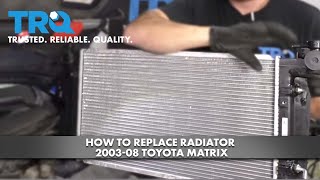
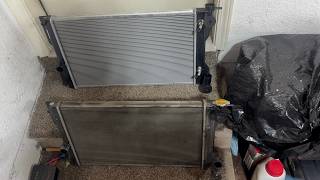
Yes, for someone with basic mechanical skills and tools, this is a very feasible DIY project. The process involves draining the coolant, disconnecting hoses and fan wiring, unbolting the old radiator, and installing the new one. There are many helpful video guides available online that walk through the process for the 2003-2008 models, which is very similar for later years.
🎬 See this step-by-step radiator replacement walkthrough for 2003-2008 models.Do I need a special radiator for the Matrix XRS or AWD models?
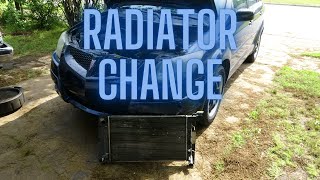
Generally, the core radiator design is the same across the different Matrix trims (Base, XR, XRS, AWD). However, it is always critical to verify the exact fitment for your specific year and model before purchasing. 🎬 Watch: How to replace the radiator on 2009-2013 Matrix models. Use your vehicle's VIN to ensure you are ordering the correct part.
What is the difference between a single-row and dual-row radiator?
This refers to the number of tubes the coolant flows through. The original radiator is a single-row design. While a dual-row radiator can offer more cooling capacity, a high-quality single-row radiator from a reputable brand is more than sufficient for the stock Matrix engine.
Should I use a stop-leak product for my radiator?
Stop-leak products are generally not recommended as a permanent solution. They can sometimes clog not just the leak, but also narrow passages in your radiator, heater core, and engine, potentially causing more problems down the road. Replacing the faulty radiator is the correct and reliable repair.
Helpful Videos

Technical Specifications
OEM Part Numbers: 16410-0D030 16410-0D230 16410-22180
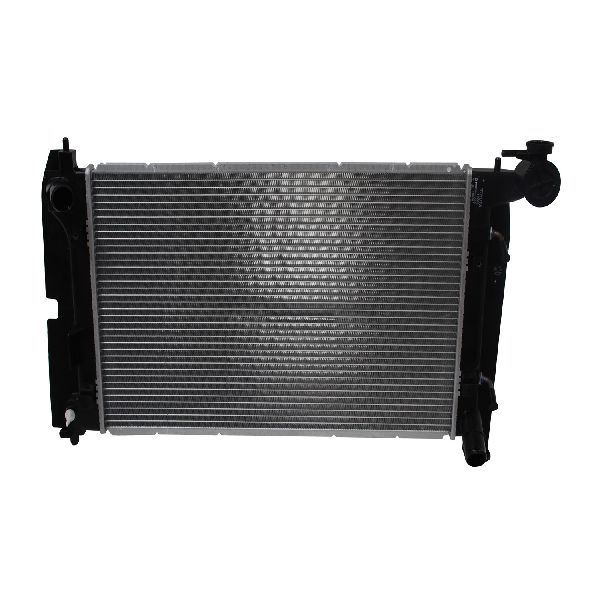
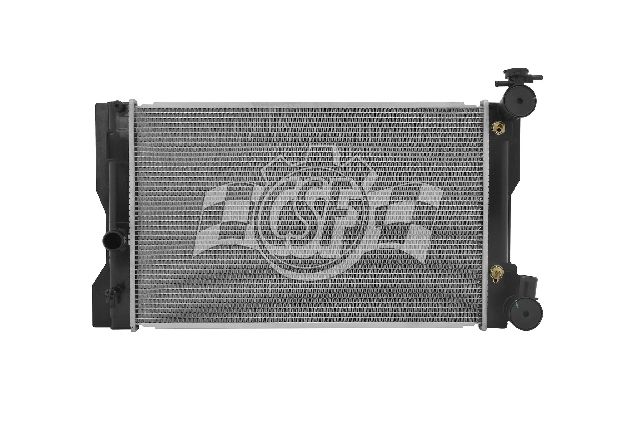
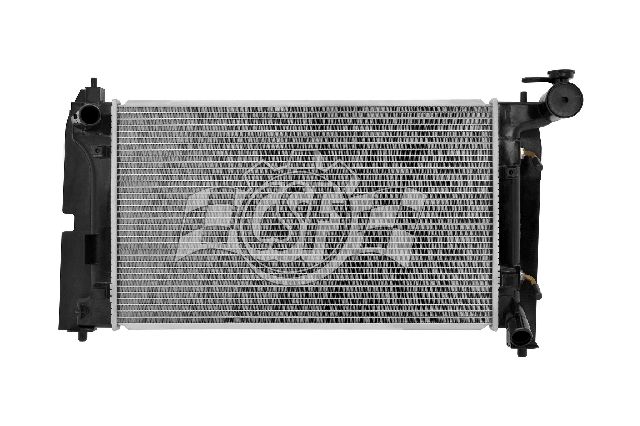
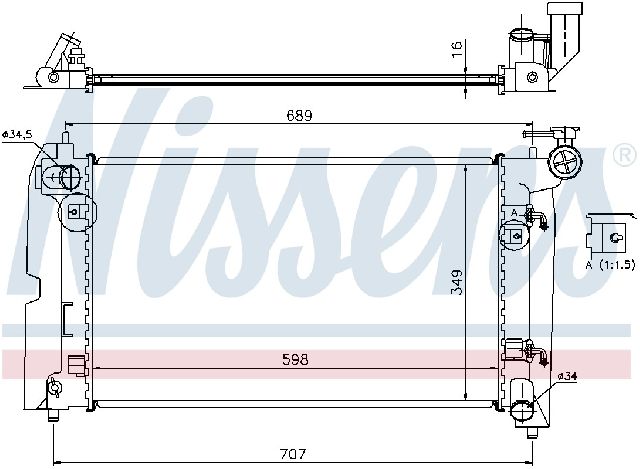
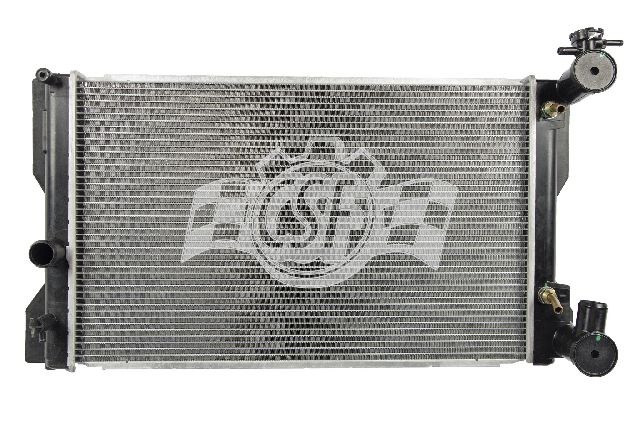
The Toyota Matrix uses a cross-flow radiator with plastic end tanks and an aluminum core. The design includes connections for the upper and lower radiator hoses, as well as transmission cooler lines for automatic models. It is a single-row design.
We Have This Part in Stock

The information in this article is provided for general reference and educational purposes only. Vehicle specifications, procedures, and part compatibility can vary by production date, trim level, and region. Always consult your vehicle's factory service manual and verify part numbers before purchasing or performing repairs. Safety-critical components such as airbags, seat belts, and braking systems should be installed by a qualified professional.
- Toyota Matrix: