

Toyota Matrix Vehicle Speed Sensor Guide for 2003-2014 Models
Fix your erratic speedometer and harsh automatic shifting by understanding and replacing your vehicle speed sensor.
- A failing VSS on a Matrix most commonly causes an erratic speedometer and harsh automatic shifting.
- The issue will almost always trigger a Check Engine Light with code P0500.
- The sensor is located on top of the transmission and is a DIY-friendly replacement for most owners.
- Choosing a quality aftermarket brand like Delphi, NTK, or Standard Motor Products is a reliable, cost-effective option.
Is Your Toyota Matrix Speedometer Acting Up?

A failing vehicle speed sensor (VSS) is a common issue that can cause a variety of noticeable problems in your 2003-2014 Toyota Matrix. Since this single sensor provides speed data for multiple systems, its failure can lead to everything from an incorrect speedometer reading to serious transmission shifting problems. 🎬 See common symptoms of a failing transmission speed sensor Ignoring these symptoms can make your car unsafe and difficult to drive, and may lead to more significant transmission damage over time.
P0500: The Telltale Code
When the vehicle speed sensor fails, it will almost always trigger the Check Engine Light and store a diagnostic trouble code. The most common code associated with this failure is P0500 - Vehicle Speed Sensor 'A' Malfunction. If you see this code, the VSS is the primary suspect.
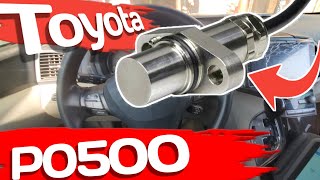
🎬 Watch: How to diagnose and fix the P0500 codeChoosing the Right Aftermarket Sensor

When replacing the VSS, you have a choice between the original equipment manufacturer (OEM) part from Toyota and many aftermarket brands. While OEM parts are designed specifically for your vehicle, high-quality aftermarket sensors can offer similar performance at a lower cost. Aftermarket brands are not all created equal, so it's important to choose wisely.
Here's a breakdown of brand quality tiers based on general reputation for electronic sensors:
- Premium Aftermarket (Often OEM Suppliers): Brands like Delphi, Denso, and NTK are often original equipment suppliers to Toyota and other automakers. Choosing one of these brands usually ensures a high-quality part that fits and functions like the original.
- Quality Aftermarket: Brands like Standard Motor Products (SMP), Walker Products, and Hella have a long history of producing reliable aftermarket components. They are a solid choice for a balance of price and quality.
- Economy Brands: Brands like URO Parts or other lesser-known names may be tempting due to their low price, but quality can be inconsistent. For a critical sensor like the VSS, it's often worth spending a little more to avoid having to do the job twice.
Pro Tip: Some owners report that after replacing the VSS, the transmission may still shift erratically until the engine computer (ECU/PCM) relearns the new sensor's data. This may require a short drive cycle or, in some cases, having a mechanic reset the transmission's adaptive learning tables with a scan tool.
Cost to Replace a Toyota Matrix Vehicle Speed Sensor
| Part/Service | Estimated Cost |
|---|---|
| New Aftermarket VSS | $28 - $162 |
| New OEM VSS | $150 - $200+ |
| Shop Labor | $60 - $120 |
| Total (DIY) | $28 - $162 |
| Total (Shop) | $88 - $282+ |
Cost estimates are approximate and can vary by location, vehicle condition, and the specific part chosen.
Frequently Asked Questions

Where is the vehicle speed sensor on a 2003-2014 Toyota Matrix?
The primary vehicle speed sensor is located on the top of the transmission (transaxle) housing. To access it, you will likely need to remove the air filter housing and intake ducting. It is a small sensor held in by a single bolt.
Is this different from an ABS or wheel speed sensor?
Yes. While both types of sensors measure speed, they have different primary functions. The Vehicle Speed Sensor (VSS) on the transmission provides the main signal for the speedometer and transmission control. The ABS (or wheel speed) sensors at each wheel are primarily for the Anti-lock Braking System and Traction Control. On some newer vehicles, the ABS sensors are used for all speed-related functions, but for this generation of Matrix, the transmission-mounted VSS is the key part for the issues described.
Are there any recalls for the Toyota Matrix speed sensor?
No specific recalls were found for the vehicle speed sensor on the 2003-2014 Toyota Matrix. Searches of the NHTSA database did not show any recalls directly related to VSS failure for this model range.
Is it difficult to replace the VSS myself?
For a DIY mechanic with basic tools, this is a relatively easy job. The sensor is accessible after removing the air intake assembly. It is typically held in by one 10mm or 12mm bolt. The main challenge can be the limited space to work. The estimated time is under one hour.
Helpful Videos

Technical Specifications
OEM Part Numbers: 83181-12070 89413-08020 89413-0C011
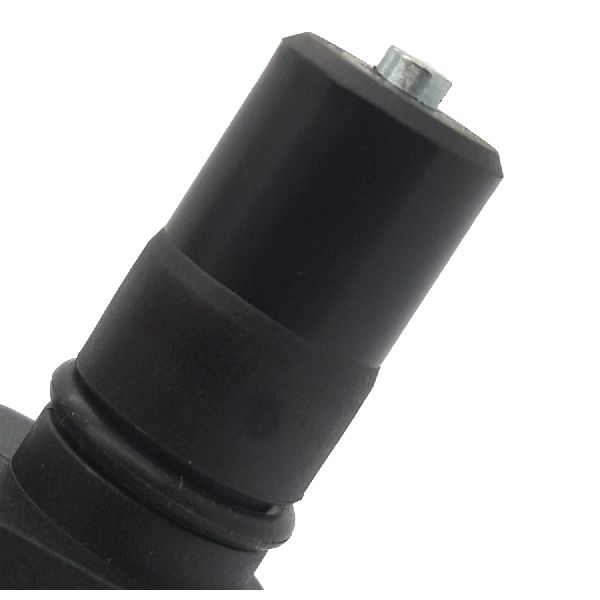
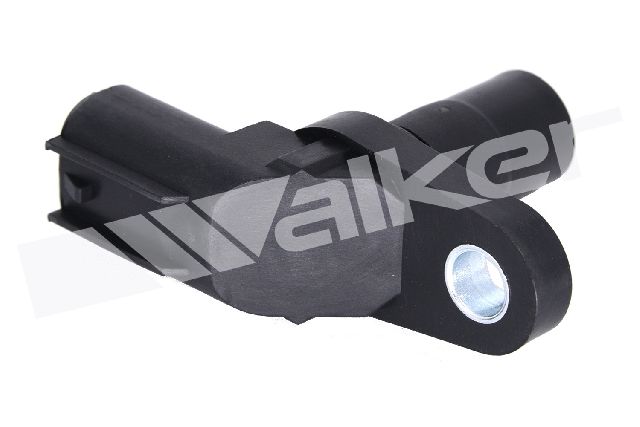
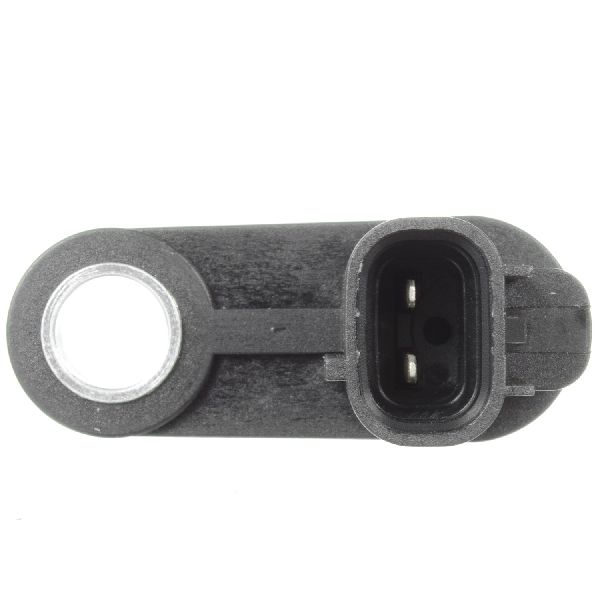
The Vehicle Speed Sensor for the Toyota Matrix is a 3-pin sensor that mounts on the transaxle. It generates a signal based on the rotation of the transmission's output shaft.
We Have This Part in Stock


The information in this article is provided for general reference and educational purposes only. Vehicle specifications, procedures, and part compatibility can vary by production date, trim level, and region. Always consult your vehicle's factory service manual and verify part numbers before purchasing or performing repairs. Safety-critical components such as airbags, seat belts, and braking systems should be installed by a qualified professional.
- Toyota Matrix: