

Volvo XC90 Engine PCV Breather System Guide (2003-2014)
Understanding the common failures of the crankcase ventilation system in your first-generation XC90.
- This is often a complete system failure; plan to replace the full PCV kit (oil trap and all hoses), not just one hose.
- Due to the difficult, labor-intensive replacement process that requires removing the intake manifold, do not use budget parts.
- A whistling noise or new oil leaks are hallmark signs of a clogged PCV system on your XC90.
- Use the 'glove test' to quickly check for positive crankcase pressure, which confirms a blockage.
Is Your XC90's PCV System Failing?


If you own a 2003-2014 Volvo XC90, especially one with the 5-cylinder turbo engine, you will likely need to service the PCV system. The hoses and plastic parts are exposed to constant heat and oil vapors, causing them to become brittle and clogged over time. This is a common maintenance item, often needing replacement around every 100,000 miles. Driving habits, like frequent short trips, can speed up this process as the engine doesn't get hot enough to burn off moisture and sludge.
Symptoms of a Clogged or Leaking Breather System
- Whistling Noise: A loud whistle or hiss from the engine bay at idle is a classic sign. This is pressure escaping from the crankcase. The noise may stop if you remove the oil dipstick or oil filler cap.
- Engine Oil Leaks: This is a major symptom. The built-up pressure must escape, and it often pushes oil out of the weakest points, such as the main seals (camshaft or crankshaft). A new leak is a strong indicator to check your PCV system immediately.
- Check Engine Light: Cracked hoses create vacuum leaks, which disrupt the engine's air-fuel ratio and can trigger a check engine light.
- Rough Idle & Poor Performance: Your engine may idle erratically or feel sluggish because the vacuum leak is confusing the engine computer.
- Blue Exhaust Smoke: In severe cases, high pressure can force oil past the piston rings and into the combustion chamber, resulting in blue-tinted smoke from the tailpipe.
The Glove Test: A simple way to check for excessive crankcase pressure is the "glove test." With the engine running, remove the oil filler cap and place a rubber glove over the opening. If the glove inflates, you have positive crankcase pressure, indicating a clogged PCV system. If it gets lightly sucked in, the system is likely working correctly.
Choosing the Right Aftermarket Part: Brand Quality Matters

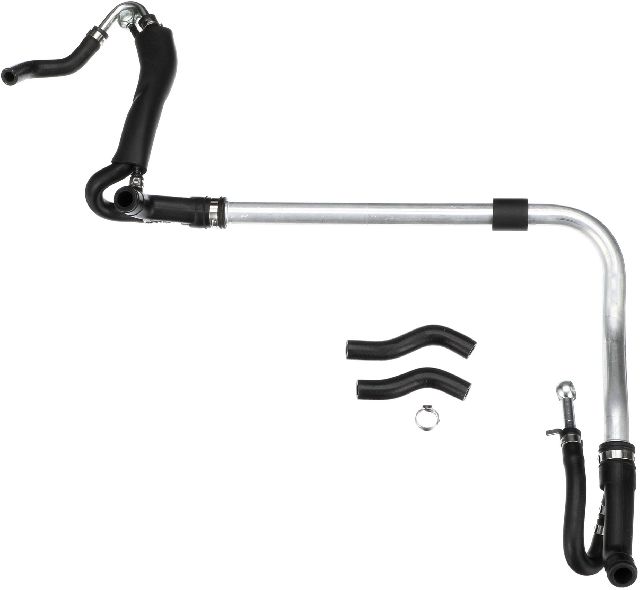
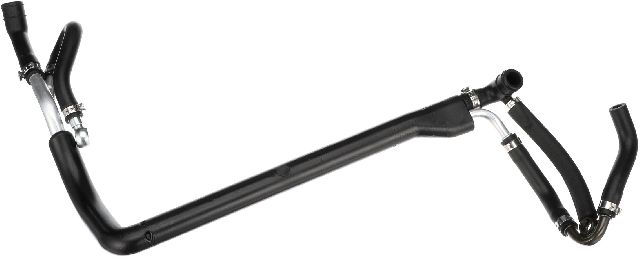
The breather hose is usually sold as part of a complete PCV system kit, which includes the oil separator box, various hoses, and clamps. Because replacing the system on the popular 5-cylinder engine requires removing the intake manifold, 🎬 See a full walkthrough of the PCV replacement process it is a labor-intensive job. To avoid doing this repair twice, choosing a quality kit is essential.
| Brand Tier | Brands | What to Expect |
|---|---|---|
| OEM / Premium Aftermarket | Genuine Volvo, CRP, Gates | Genuine Volvo is the benchmark for fit and longevity. Brands like CRP and Gates are known for making high-quality rubber and plastic components and are generally a safe bet for a durable repair. Given the high labor cost, these are the most recommended options. |
| Mid-Grade Aftermarket | Professional Parts Sweden (PPS) | User reviews for PPS are generally negative, citing poor quality and parts that do not last. While some non-critical parts may be acceptable, it is a risk for a difficult-to-access system like the PCV. |
| Economy Aftermarket | URO Parts | URO Parts are widely considered a budget brand. Forum discussions frequently mention issues with fitment, material quality, and premature failure, especially for rubber and plastic parts. Using these parts may save money initially but could lead to another repair much sooner. |
A Note on Kits: The price range for this part is wide ($8 to over $250) because individual hoses are sold separately, while comprehensive kits include the oil trap, all related hoses, and gaskets. For a complete and lasting repair, a full kit is the correct choice.
Frequently Asked Questions (FAQ)

Are there any recalls for the XC90 breather hose?
No, there are no recalls or common Technical Service Bulletins (TSBs) from Volvo or the NHTSA for the PCV breather system on the 2003-2014 XC90. Any recalls you might find for hoses on an XC90 are likely for the coolant system on newer models.
Why is the whole PCV kit replaced instead of just the one bad hose?
Because all the plastic and rubber components in the system have aged in the same harsh environment. If one hose has cracked, the others are likely to fail soon. Since the most difficult part of the job is accessing the system, replacing everything at once saves you from repeating the labor.
What is an oil trap or separator box?
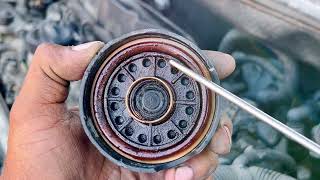
The oil trap, or separator box, is the heart of the PCV system. It's a plastic box that separates liquid oil from the crankcase gases. The oil drains back into the oil pan, while the vapors are sent to the intake manifold. These boxes contain passages that can get clogged with sludge.
Can I clean my old PCV parts instead of replacing them?
While you can try to clean the oil trap, the plastic hoses become extremely brittle with age and will likely break during removal. The internal passages can also be difficult to clean thoroughly. Given the risk of a small crack causing problems and the labor involved, replacement is the standard and recommended repair.
🎬 Watch: Expert tips for replacing the PCV on older modelsHelpful Videos


Technical Specifications
OEM Part Numbers: 30731068 30650578 8692211 9470330 1271654 30677388
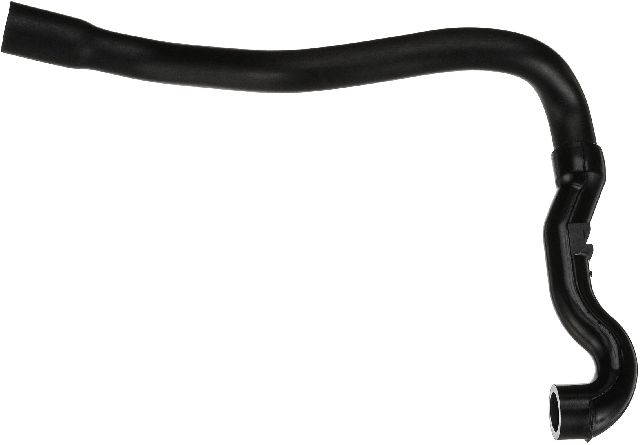
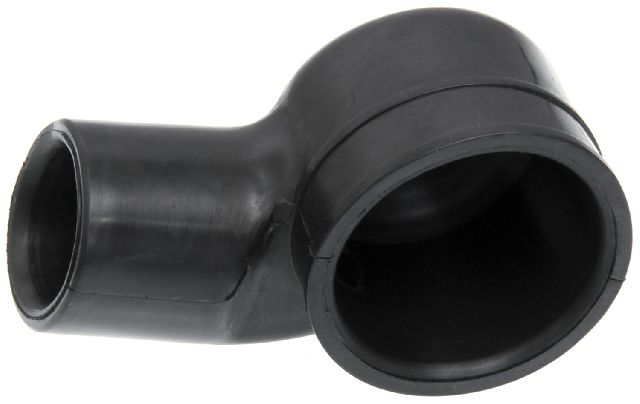
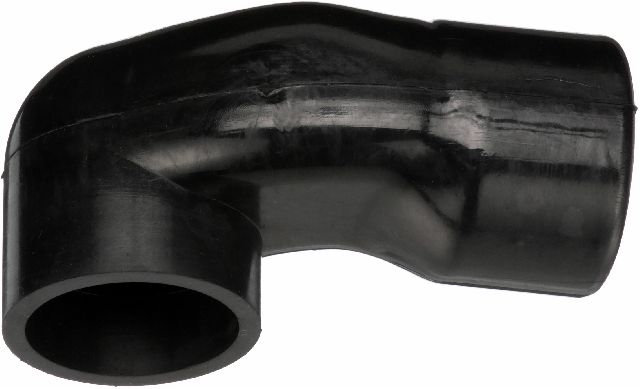
System consists of an oil separator (oil trap), an upper hose to the valve cover, a lower hose to the engine block, and connecting hoses to the intake manifold. Primarily services 5-cylinder turbo engines (e.g., 2.5T), but V8 and 6-cylinder engines have their own specific versions.
We Have This Part in Stock

The information in this article is provided for general reference and educational purposes only. Vehicle specifications, procedures, and part compatibility can vary by production date, trim level, and region. Always consult your vehicle's factory service manual and verify part numbers before purchasing or performing repairs. Safety-critical components such as airbags, seat belts, and braking systems should be installed by a qualified professional.
- Volvo XC90: