

Choosing Replacement Brake Rotors for the 2003-2015 Chrysler 300
Stop the shaking and improve your 300's braking performance by selecting the right aftermarket rotors.
- The Chrysler 300 is a heavy car, and OEM rotors (especially on V8 models) are known to warp. Upgrading to quality aftermarket rotors is a common and effective solution.
- Always replace your brake pads at the same time as your rotors to ensure proper performance and longevity.
- For V8/HEMI owners or those who drive aggressively, drilled and slotted rotors from brands like Powerstop or EBC are a worthwhile investment to combat heat and prevent warping.
- Verify your exact 300 submodel (V6, V8, RWD, AWD) before ordering, as rotor sizes vary significantly between trims.
Symptoms of a Bad Disc Brake Rotor

Your Chrysler 300 will give you clear signs when the brake rotors need attention. Ignoring these symptoms is unsafe and can lead to more expensive repairs down the road.
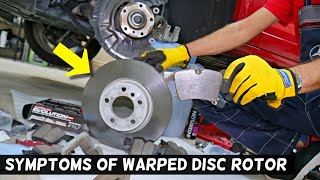
- Vibration or Pulsation: The most common symptom is a shaking steering wheel or a pulsating brake pedal when you apply the brakes. This is often called 'warped rotors' and happens when the rotor surface becomes uneven from heat. 🎬 Watch: A detailed explanation of warped brake rotor symptoms.
- Scraping or Grinding Noises: A loud metal-on-metal grinding sound means the brake pads are completely worn away, and the caliper is now grinding against the rotor. This is a critical safety issue that requires immediate attention.
- Visible Grooves or Hot Spots: If you look at the rotor, you might see deep circular grooves or bluish discolored areas. These indicate uneven wear or overheating and mean the rotor needs to be replaced.
- Increased Stopping Distance: If you notice your car isn't stopping as quickly as it used to, worn rotors could be a contributing factor.
A Note on Warping
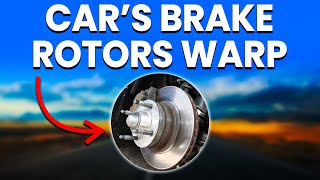
The Chrysler 300, particularly the heavier V8 models, is known for being tough on front brakes. The stock rotors can be prone to warping under spirited driving or in heavy stop-and-go traffic. Many owners choose aftermarket rotors to solve this problem permanently.
Choosing the Right Aftermarket Rotors for Your 300

While you can get OEM replacement rotors from a dealer, the aftermarket offers a wider variety of options that can provide better performance and durability, often at a lower price. Aftermarket rotors for the 300 fall into a few main categories.
1. OEM-Equivalent / Daily Driver Rotors
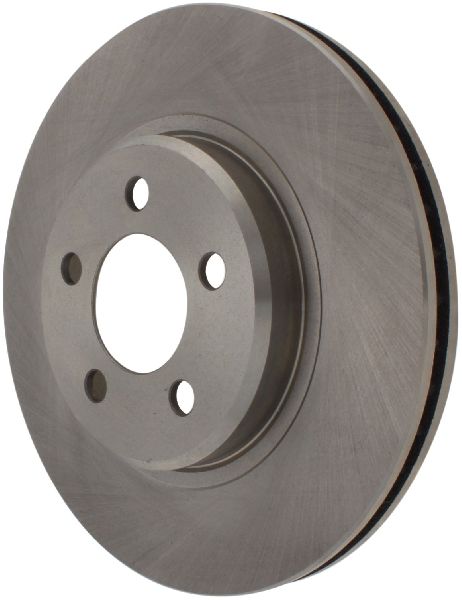
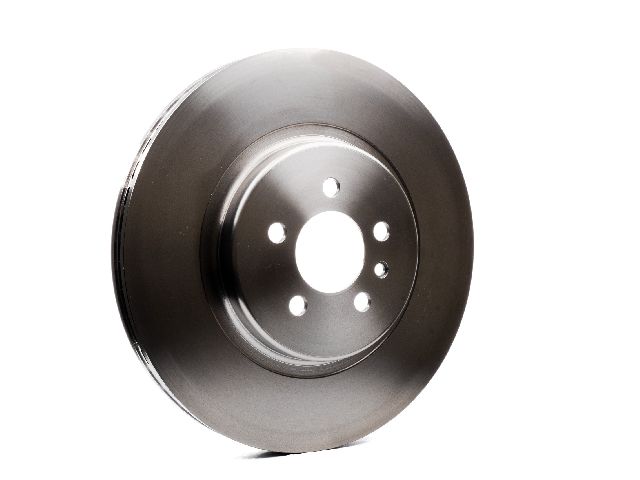
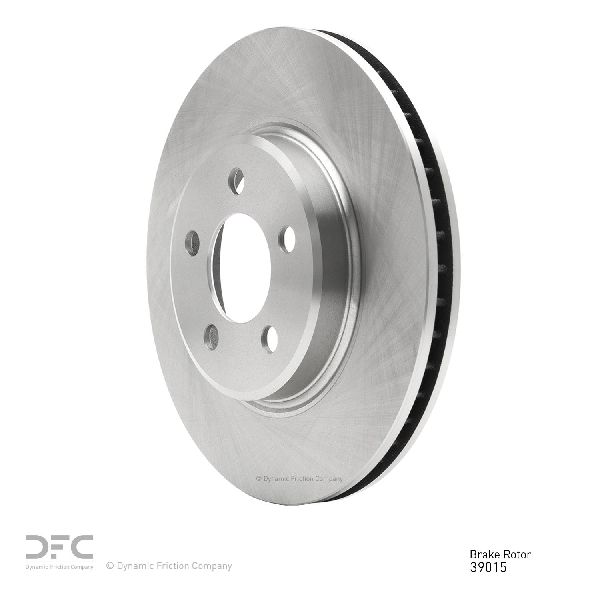
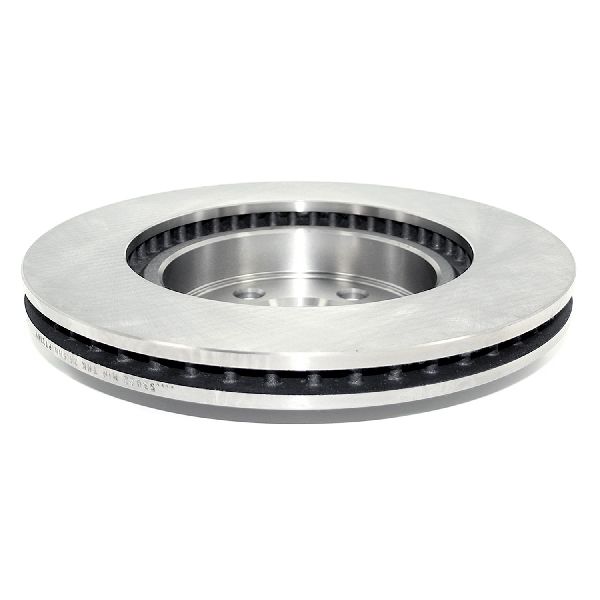
These are your standard, blank-faced rotors designed to meet or exceed original factory specifications. They are perfect for the average driver of a V6 or V8 300 who just needs a solid, reliable replacement.
- Brands: Bosch QuietCast, Raybestos Element3/R-Line, Centric, Wagner.
- Best For: Normal commuting and daily driving. They are quiet, affordable, and many come with a protective coating to prevent rust on the hub and edges.
2. Performance Upgrade Rotors (Drilled & Slotted)
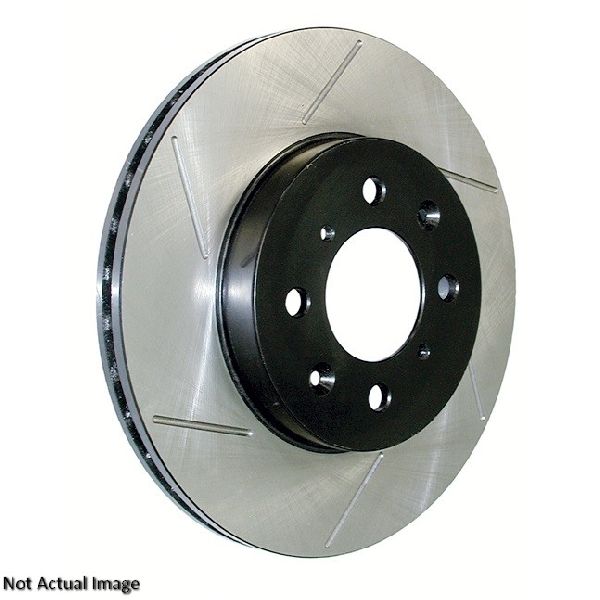
For owners of HEMI-powered 300C models or those who have experienced warped rotors, a performance upgrade is a smart choice. These rotors have holes drilled through them and/or slots cut into the surface.
- Brands: Powerstop (especially their Z23 and Z26 kits), EBC Brakes, Hawk, Brembo.
- Best For: Spirited driving, heavy vehicles, and solving warping issues. The drills and slots help vent hot gases and heat, keeping the brakes cooler and providing more consistent stopping power.
Pro Tip: Always replace brake pads when you replace your rotors. Using old pads on new rotors will cause uneven wear and reduce their lifespan. Many brands like Powerstop offer convenient kits that include rotors, pads, and all necessary hardware.
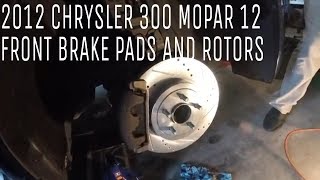
🎬 See how to install Powerstop drilled and slotted rotors.| Rotor Type | Pros | Cons | Best For |
|---|---|---|---|
| Blank (OEM Style) | Quiet, durable, affordable | Can be prone to heat buildup/warping on heavy cars | Most V6 models, standard daily driving |
| Drilled & Slotted | Excellent heat dissipation, improved wet-weather braking, aggressive look | Can wear pads faster, potential for cracking under extreme track use | V8/HEMI models, spirited driving, towing |
| Slotted Only | Good heat dissipation, cleans pad surface, more durable than drilled | Slightly more noise than blank rotors | A good middle-ground for performance and durability |
Frequently Asked Questions (FAQ)

Do I have to replace rotors and pads at the same time?
Yes, it is highly recommended. New rotors need a fresh, flat pad surface to bed-in correctly. Putting old, worn pads on new rotors will create grooves and prevent the brakes from performing at their best.
Are drilled and slotted rotors worth it for my Chrysler 300?
For many owners, especially those with a 5.7L or 6.1L HEMI engine, the answer is yes. The extra weight and power of these models put a lot of stress on the front brakes, leading to warped rotors. Drilled and slotted rotors from brands like Powerstop or EBC can effectively solve this issue by managing heat better. For a base V6 model used for commuting, standard blank rotors are usually sufficient.
What's the difference between front and rear brakes?
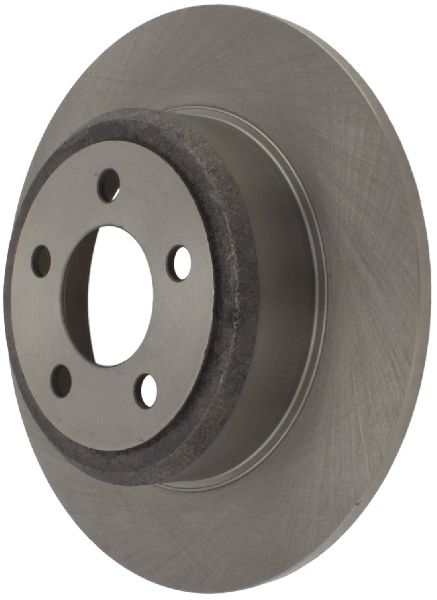
The front brakes do about 70% of the stopping. Because of this, front rotors and pads are larger and wear out faster than the rears. It's common to replace front brakes twice for every one time you replace the rears.
Are there any recalls for my 300's brakes?
While there have been some recalls on Chrysler vehicles for issues like brake lines or ABS modules, there are no widespread recalls specifically for premature rotor wear on the 2003-2015 300. A Technical Service Bulletin (TSB) #S2005000002 was issued for potential pad contact after a brake service, but this relates to service procedure rather than a defective rotor.
How do I make sure I order the right size rotors?
The Chrysler 300 had several different brake options depending on the year, engine (V6, 5.7L, 6.1L SRT8), and drivetrain (RWD vs AWD). The physical size of the rotors is different between these models. It is critical to use your vehicle's specific information (Year, Make, Model, Submodel, and Drivetrain) when ordering to ensure you get parts that fit correctly.
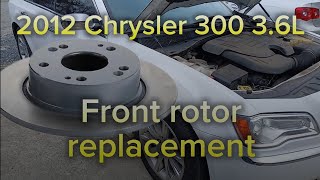
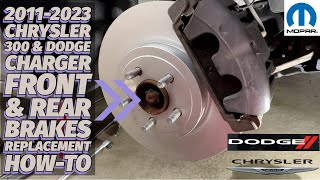
🎬 Follow this step-by-step guide for front and rear brake replacement.Helpful Videos

Technical Specifications
Rotor sizes vary significantly by model year, engine (V6, 5.7L V8, 6.1L V8), and drivetrain (RWD/AWD). For example, a 2006 300C RWD uses a 345mm front rotor, while a V6 model uses a smaller 320mm rotor. It is critical to order parts specific to your vehicle's configuration.
We Have This Part in Stock

The information in this article is provided for general reference and educational purposes only. Vehicle specifications, procedures, and part compatibility can vary by production date, trim level, and region. Always consult your vehicle's factory service manual and verify part numbers before purchasing or performing repairs. Safety-critical components such as airbags, seat belts, and braking systems should be installed by a qualified professional.
- Chrysler 300: