

Engine Coolant Temperature Sensor Guide for 2003-2015 Mercedes-Benz ML350
Learn to spot the signs of a failing coolant sensor and choose the right aftermarket replacement for your ML350.
- A bad ECT sensor can cause poor fuel economy, overheating, and black smoke.
- For reliability, choose an OE-supplier aftermarket brand like Febi or Delphi.
- The sensor's location varies by generation (W163, W164, W166), so verify before starting the job.
- Ignoring a faulty sensor can lead to more expensive repairs, including catalytic converter or engine damage.
Understanding the Engine Coolant Temperature Sensor in Your ML350
A faulty Engine Coolant Temperature (ECT) sensor can cause more than just an incorrect reading on your dashboard; it can lead to significant performance and fuel economy issues for your 2003-2015 Mercedes-Benz ML350. Because the sensor's reading influences everything from fuel mixture to cooling fan operation, a bad sensor can make the computer think the engine is cold when it's hot, or vice-versa. This guide will help you identify symptoms of failure, choose a reliable aftermarket replacement, and understand the costs involved.
Symptoms of a Failing ECT Sensor
When an ECT sensor fails, it can send incorrect signals to the engine computer, leading to a variety of noticeable problems. Look out for these common symptoms:
- Check Engine Light: This is often the first sign. The ECU will log a fault code, such as P0117 (Circuit Low) or P0118 (Circuit High), when it detects an illogical signal from the sensor.
- Poor Fuel Economy: If the sensor incorrectly tells the ECU the engine is cold, the computer will enrich the fuel mixture, causing the vehicle to use more fuel than necessary.
- Black Smoke from Exhaust: A very rich fuel mixture may not burn completely, leading to black smoke from the tailpipe.
- Engine Overheating: A failed sensor might not signal the ECU to turn on the cooling fans when needed, leading to overheating, especially in traffic.
- Rough Idle and Poor Performance: Incorrect fuel and timing adjustments can cause the engine to run rough, hesitate, or feel sluggish.
- Hard Starting: When the engine is cold, it requires a richer fuel mixture to start properly. If the sensor is faulty, the ECU may not provide the correct mixture, making the engine difficult to start.
A Note on OEM vs. Aftermarket Parts
For a critical sensor like the ECT, quality matters. While a genuine Mercedes-Benz part offers guaranteed compatibility, high-quality aftermarket brands that are Original Equipment (OE) suppliers, such as Febi or Delphi, can provide the same level of reliability for a lower price. Economy-tier brands like URO Parts offer a budget-friendly option, but some forum users report a less secure fit or shorter lifespan compared to OE-spec parts. For a precision vehicle like an ML350, investing in a mid- to top-tier aftermarket brand is a wise choice.
Choosing the Right Aftermarket Sensor Brand
With many brands available, it's helpful to group them by reputation and quality.
- Top Tier (OE Supplier Quality): Brands like Febi, Delphi, and Vemo are often suppliers to German automakers. They are engineered to meet or exceed original specifications and are a reliable choice for your Mercedes.
- Mid Tier (Reputable Aftermarket): Brands like Standard Ignition (SMP), Walker Products, and Holstein have a long history of producing dependable aftermarket parts that offer a good balance of price and quality.
- Economy Tier (Budget-Focused): Brands such as URO Parts, Facet, and True Tech provide a low-cost alternative. While functional, they may not have the same long-term durability or precise fit as higher-priced options.
Installation Tip
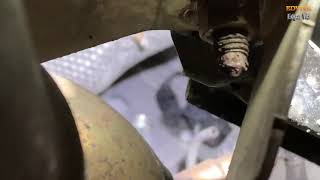
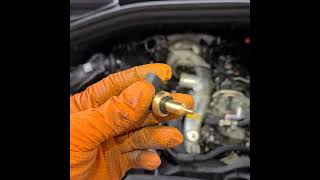
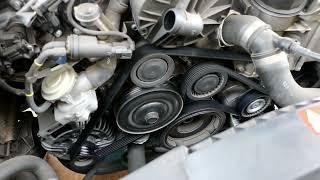
The location of the ECT sensor varies depending on your ML350's engine. On earlier W163 models (2003-2005) 🎬 Watch this complete W163 cooling system and sensor replacement guide., it's often on the front of the engine block. On W164 models (2006-2011) with the M272 V6, it is typically located at the rear of the engine. 🎬 See how to locate and swap the sensor on W164 models. For later W166 models (2012-2015), it may be integrated into the thermostat housing or located on a cylinder head. 🎬 Watch this walkthrough for finding the sensor on W166 models. Always confirm the location for your specific model year and engine before beginning work. Some coolant will be lost during replacement, so have a catch pan ready.
Cost Comparison for ML350 ECT Sensor Replacement
| Part/Service | Estimated Cost |
|---|---|
| New OEM (Dealer) Part | $30 - $170 |
| New Aftermarket Part | $8 - $130 |
| Shop Labor | $158 - $232 (0.5-1.0 hour) |
| Total Professional Replacement | $250 - $632 |
Frequently Asked Questions
Can I drive my ML350 with a bad coolant temperature sensor?
You can, but it is not recommended for extended periods. A faulty sensor can lead to poor fuel economy, increased emissions, and potentially severe engine damage from overheating if the cooling fans don't operate correctly.
Is the ECT sensor the same for all 2003-2015 ML350 models?
No. The part can differ between the W163, W164, and W166 generations, and even between different engines within the same year. It is essential to verify the part number and fitment for your specific vehicle's VIN before purchasing.
What happens if I ignore a bad ECT sensor?
Ignoring the issue can lead to more serious problems. Chronically running a rich fuel mixture can foul spark plugs and damage the catalytic converter. Consistently overheating can cause catastrophic engine damage, such as a warped cylinder head or blown head gasket.
Why is there such a large price range for aftermarket sensors?
The price reflects the quality of materials, engineering, and testing. Top-tier brands use higher-quality thermistors and connectors that match OEM performance and durability. Economy brands may use less expensive components to keep costs down, which can sometimes result in a shorter service life or less precise readings.
Helpful Videos

Technical Specifications
OEM Part Numbers: A0005425118 0009056102 221905560080
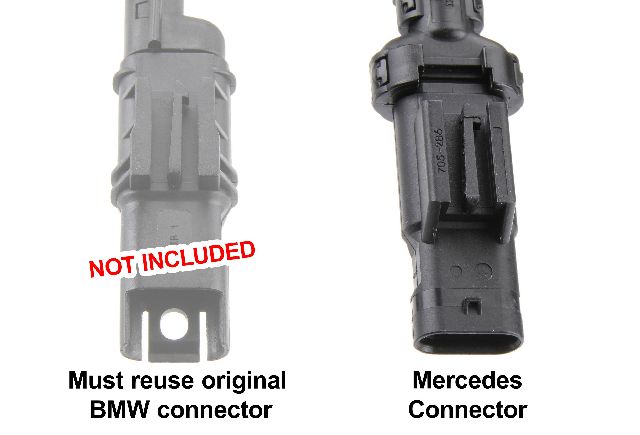
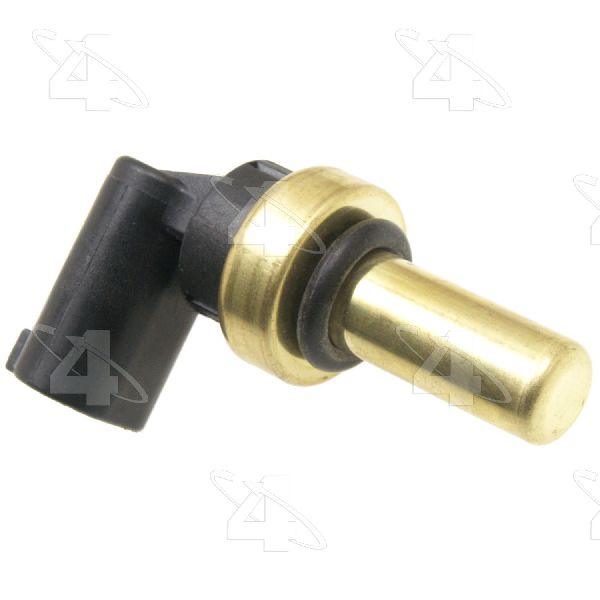
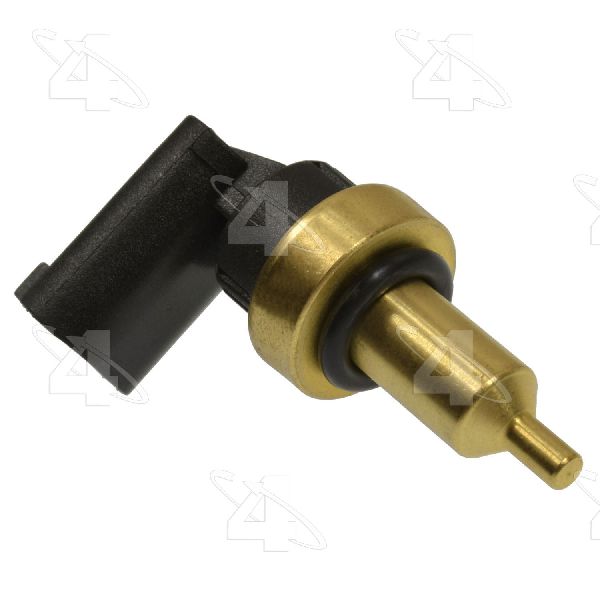
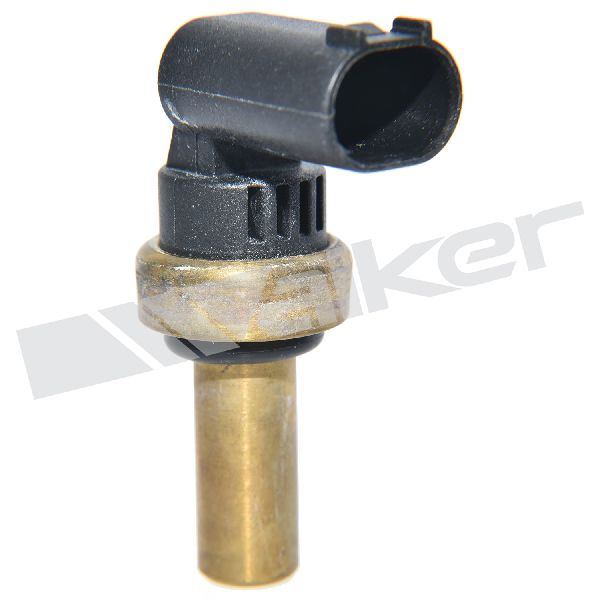
Typically a 2-pin brass or composite sensor held in place by a clip or threaded into the engine block/thermostat housing. Voltage is typically 12V.
We Have This Part in Stock


The information in this article is provided for general reference and educational purposes only. Vehicle specifications, procedures, and part compatibility can vary by production date, trim level, and region. Always consult your vehicle's factory service manual and verify part numbers before purchasing or performing repairs. Safety-critical components such as airbags, seat belts, and braking systems should be installed by a qualified professional.
- Mercedes-Benz ML350:
- 🎬 Helpful Videos
- 🛍️ Shop This Part
- Understanding the Engine Coolant Temperature Sensor in Your ML350
- Symptoms of a Failing ECT Sensor
- A Note on OEM vs. Aftermarket Parts
- Choosing the Right Aftermarket Sensor Brand
- Installation Tip
- Cost Comparison for ML350 ECT Sensor Replacement
- Frequently Asked Questions
- 🎟️ Get 5% Off