

Honda Pilot HVAC Blower Motor Guide for 2003-2016 Models
A complete guide to diagnosing and replacing the HVAC blower motor in your first or second-generation Honda Pilot.
- If the fan only works on high, replace the blower motor resistor first, not the motor.
- Replacement is a simple DIY job located under the passenger dash, requiring only basic tools.
- A quality aftermarket blower motor from a brand like Continental or Four Seasons is a cost-effective alternative to OEM.
- No recalls are active for the 2003-2016 Honda Pilot blower motor.
Is Your Honda Pilot's Fan Not Blowing?

A failing HVAC blower motor in a 2003-2016 Honda Pilot can leave you without heat, air conditioning, or window defrosting capabilities. The most common signs of failure are unusual noises from the passenger side dashboard, weak airflow, or no airflow at all. Understanding the symptoms can help you decide if the blower motor is the problem or if it's a related, and often confused, component.
Symptoms of a Failing Blower Motor
- No Air from Vents: The most obvious symptom is when no air comes out of the vents at any fan speed.
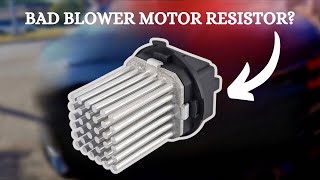
- Fan Only Works on High: If your fan only blows when set to the highest speed, the problem is almost certainly the blower motor resistor, not the motor itself. This is a very common issue.
- Weak or Inconsistent Airflow: If the fan speed seems to change on its own or is weaker than usual, the motor's internal components may be wearing out.
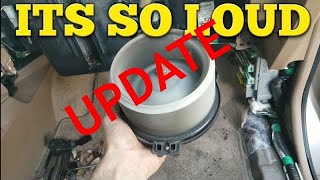
- Noise from Vents: A chirping, squealing, or grinding noise from the passenger side dash area that changes with fan speed points to a failing motor bearing or debris in the fan cage. 🎬 See how to diagnose and fix a noisy Pilot blower motor.
Blower Motor vs. Blower Motor Resistor
It is extremely common for Honda Pilot owners to misdiagnose a bad blower motor when the actual problem is the blower motor resistor (or power transistor). If your fan only works on the highest setting, the resistor is the culprit. The resistor controls the fan speed, and when it fails, the high setting is the only one that works because it bypasses the resistor entirely. Always check this first before replacing the more expensive blower motor.
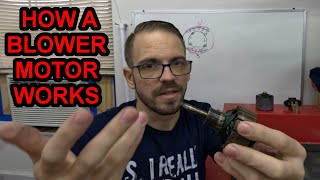
🎬 Learn how to perform a full diagnostic on your blower fan.Choosing a New Aftermarket Blower Motor

When replacing your Pilot's blower motor, you don't have to pay high dealership prices for an OEM part. Quality aftermarket brands offer reliable performance at a much lower cost. For a part like a blower motor, a good aftermarket unit is often a smart financial choice.
- Premium Aftermarket (e.g., Continental): Continental is a well-regarded brand that often supplies parts directly to vehicle manufacturers. Their blower motors are known for matching OEM standards in fit, performance, and durability, making them a top-tier choice.
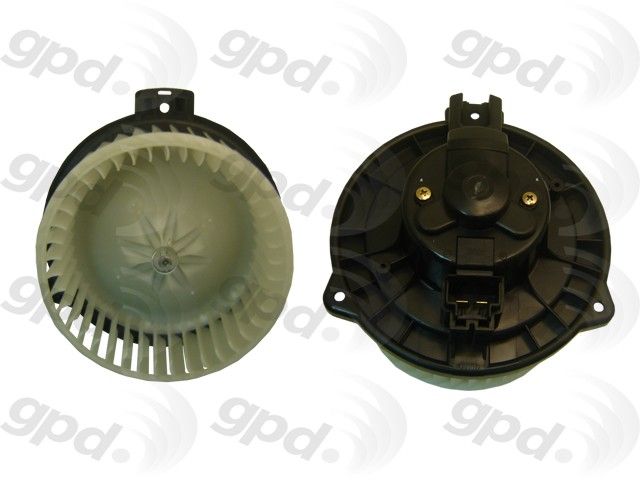
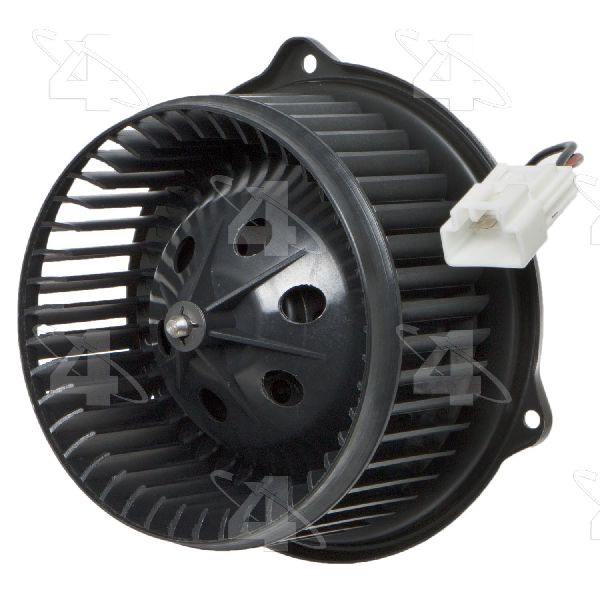
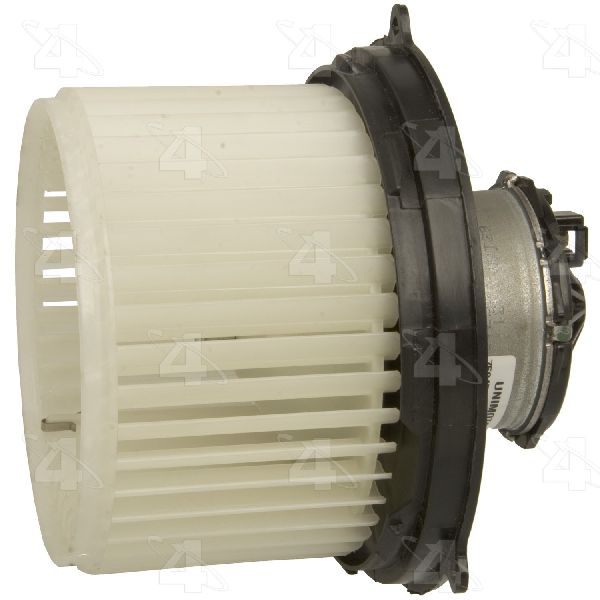
- Standard Aftermarket (e.g., Four Seasons, Global Parts): Brands like Four Seasons are a common and generally reliable choice for HVAC components. While some user reviews mention issues like noise or reduced airflow compared to OEM, many users have positive experiences. They provide a good balance of cost and quality for the average vehicle owner.
Pro Tip: Before installing your new blower motor, take a moment to clean out any leaves or debris from the housing area. Debris entering the fan cage is a common cause of noise and premature failure.
Cost of Replacing a Honda Pilot Blower Motor
The cost to replace the blower motor varies depending on whether you do it yourself or take it to a shop. This is a very DIY-friendly repair that can save you significant money on labor.
| Part / Service | Estimated Cost |
|---|---|
| New OEM Part | $175 - $340 |
| New Aftermarket Part | $66 - $111 |
| Used OEM Part | $50 - $85 |
| Shop Labor | $78 - $114 |
| Total (Shop Repair, Aftermarket Part) | $144 - $225 |
| Total (DIY Repair, Aftermarket Part) | $66 - $111 |
Frequently Asked Questions

Is it hard to replace the blower motor on a 2003-2016 Pilot?
No, it is considered an easy repair. The blower motor is located under the passenger side dashboard, usually behind the glove box. It is held in by three screws and has one electrical connector. Basic hand tools are all that is required, and the job can typically be completed in under 30 minutes.
Why does my fan only work on the high setting?
This classic symptom is caused by a failed blower motor resistor, not the blower motor itself. The resistor controls the lower fan speeds, and the high-speed setting bypasses it. Replacing the resistor is also an easy and inexpensive fix.
Are there any recalls for the Honda Pilot blower motor?
There are no specific recalls for the 2003-2016 Honda Pilot blower motor. However, a product update campaign (not a safety recall) was issued for some 2022 Pilot models due to a manufacturing defect that could cause the motor to overheat. This does not apply to the 2003-2016 model years.
Can I just clean or repair my old blower motor?
Sometimes, noise can be caused by debris like leaves getting into the fan cage, which can be cleaned out. However, if the motor's internal bearings or brushes are worn out, it will continue to make noise or fail intermittently. Given the low cost of a new aftermarket unit and the easy replacement, replacing the entire motor is the most reliable and long-lasting solution.
Helpful Videos


Technical Specifications
OEM Part Numbers: 79310-S3V-A01 79310-S84-A01 79310-STX-A01
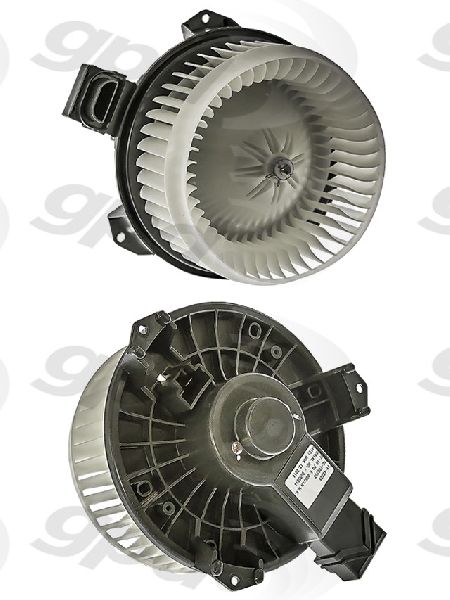
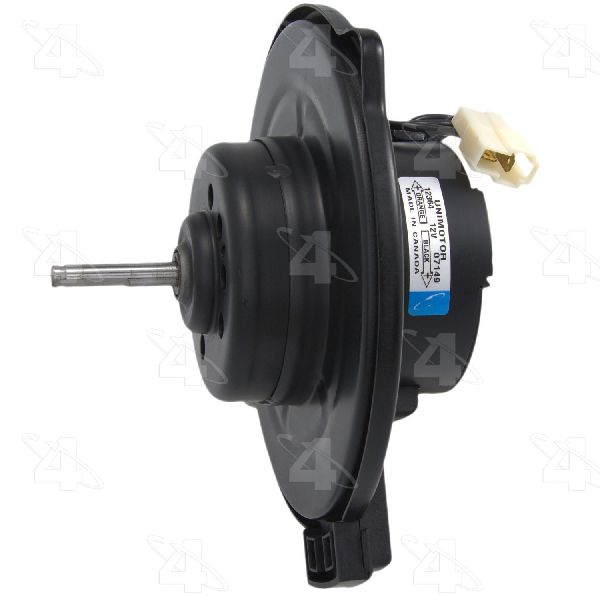
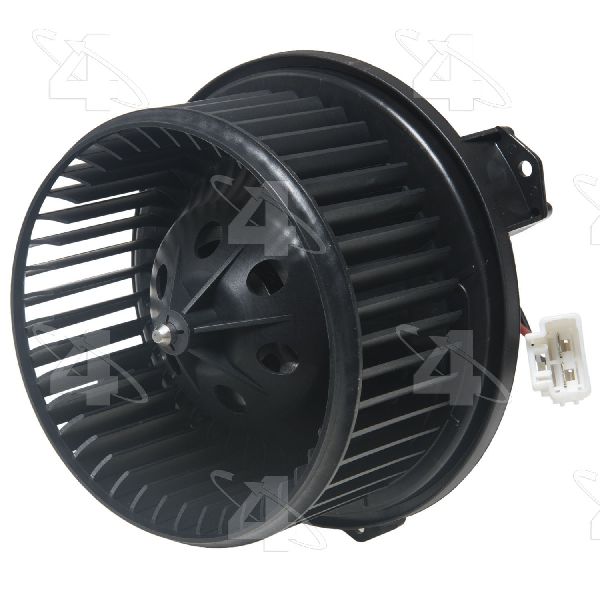
The front HVAC blower motor is located under the passenger side dashboard. It is a 12V DC motor with an integrated 'squirrel cage' fan. It is typically secured with three 8mm screws and has a single electrical connector.
We Have This Part in Stock

The information in this article is provided for general reference and educational purposes only. Vehicle specifications, procedures, and part compatibility can vary by production date, trim level, and region. Always consult your vehicle's factory service manual and verify part numbers before purchasing or performing repairs. Safety-critical components such as airbags, seat belts, and braking systems should be installed by a qualified professional.
- Honda Pilot: