

A Guide to the Automatic Transmission Oil Cooler for the 2003-2016 Mazda 6
Keep your Mazda 6 transmission running cool and prevent expensive damage by understanding this critical part.
- Heat is the #1 cause of transmission failure; the cooler is your transmission's main line of defense.
- Leaks of red fluid or a burning smell are serious warnings that require immediate inspection.
- For models with a cooler in the radiator, milky coolant is a sign of catastrophic failure. Stop driving immediately.
- Reputable aftermarket brands like Hayden and Derale are considered reliable and cost-effective replacements.
Why is the Transmission Cooler So Important on a Mazda 6?
Heat is the number one enemy of an automatic transmission. The transmission in your 2003-2016 Mazda 6 creates friction and heat during normal driving. The automatic transmission oil cooler is responsible for keeping the fluid temperature in a safe range. If the cooler fails, gets clogged, or leaks, the fluid can overheat quickly. This can lead to poor shifting, a burning smell, and eventually, catastrophic transmission failure which can cost thousands to repair. Some model years within this range have been noted by owners for having transmission troubles, making a healthy cooling system even more critical.
Symptoms of a Failing Transmission Oil Cooler
Watch for these warning signs. Catching a problem early can save you from a much bigger repair bill.
- Transmission Overheating Warning: A 'Transmission Hot' or similar warning light on your dashboard is the most direct sign of a problem.
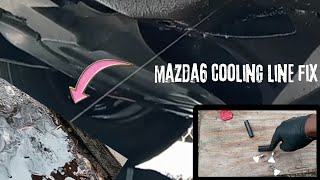
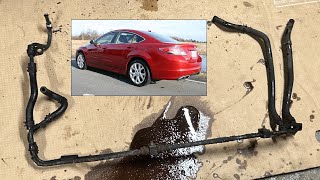
- Fluid Leaks: Finding puddles of reddish or dark brown fluid under the front of your car is a major red flag. The cooler itself or the lines running to it can corrode and leak. 🎬 Watch: Quick fix for a leaking transmission cooling line
- Poor Shifting Performance: You might feel your Mazda 6 shifting roughly, hesitating between gears, or slipping, where the engine revs but the car doesn't accelerate properly.
- Burning Smell: A sharp, burning odor can mean the transmission fluid is overheating and breaking down.
- Milky Fluid (Catastrophic Failure): In models where the cooler is inside the radiator, an internal failure can cause coolant and transmission fluid to mix. If you check your radiator and find pink, foamy, or milky fluid, stop driving immediately. This condition can destroy both your transmission and engine. A 2015 Mazda 6 owner reported this exact failure.
Choosing the Right Aftermarket Cooler
When replacing your transmission cooler, you have options. While an OEM part guarantees a perfect fit, quality aftermarket brands can offer reliable performance, often at a better price. Here’s a breakdown of the available brands based on owner feedback and reputation.
Brand Tiers
Tier 1: Recommended (Hayden, Derale)
These brands are well-respected in the automotive community for performance and reliability. Many owners use them as upgrades for towing or heavy use, and they are considered a solid choice for a standard replacement. One owner reported using a Hayden cooler on a Mazda for over 10 years without any problems. Both Hayden and Derale are known for quality construction.
Tier 2: Standard (Four Seasons)
Four Seasons is a massive aftermarket supplier, but their quality can be inconsistent. While many of their parts work fine, some users have reported issues with rebuilt components and questionable quality control. They can be a budget-friendly option, but careful inspection of the part before installation is a good idea.
Tier 3: Economy (Ackoja)
There is very little public feedback available for the Ackoja brand. It is generally considered an economy-level part. For a component as critical as a transmission cooler, choosing a brand with a more established track record for reliability is often the safer bet.
How Much Does a Mazda 6 Transmission Cooler Replacement Cost?
The cost depends on whether you're replacing just the cooler/lines or the entire radiator (if it has an integrated cooler). Prices also vary by location and repair shop.
| Part / Service | Estimated Cost |
|---|---|
| New Aftermarket Cooler/Lines | $52 - $105 |
| New OEM Cooler/Lines | $120 - $320 |
| Shop Labor (Cooler/Lines Only) | $150 - $350 |
| Total Professional Job (Cooler/Lines) | $200 - $455 (Aftermarket) / $270 - $670 (OEM) |
Important: If your cooler is part of the radiator, the entire radiator must be replaced. This is a more complex job, and total costs can exceed $1,200.
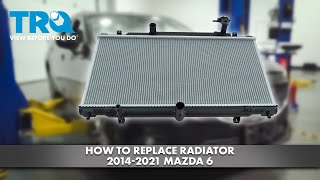
🎬 See how to replace the radiator on newer modelsFrequently Asked Questions
Can I install a new transmission cooler myself?
For a handy DIYer, replacing a standalone cooler or the cooler lines is very possible. The job typically takes 1-3 hours and involves draining fluid, accessing the front of the car (sometimes removing the bumper or airbox), and swapping the parts. 🎬 Watch this step-by-step transmission cooler installation guide However, you must be careful to get the correct fluid and refill it to the proper level. If the cooler is integrated into the radiator, the job is much more difficult and may be best left to a professional.
Are there any recalls for the Mazda 6 transmission cooler?
No, there are no specific recalls for transmission oil cooler failure on the 2003-2016 Mazda 6. However, Mazda has issued technical service bulletins (TSBs) that mention flushing the cooler lines during a transmission replacement, highlighting its importance to the system's health.
Should I buy an OEM or aftermarket cooler?
For a standard daily driver, a quality aftermarket cooler from a reputable brand like Hayden or Derale is a reliable and cost-effective choice. OEM guarantees a perfect fit but comes at a higher cost. Avoid the cheapest, unbranded options, as a failure can lead to very expensive transmission damage.
What's the difference between a 'tube and fin' and 'plate and fin' cooler?
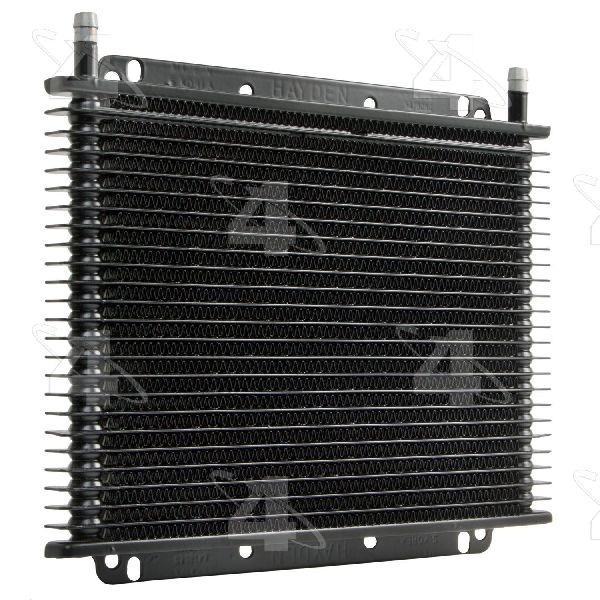
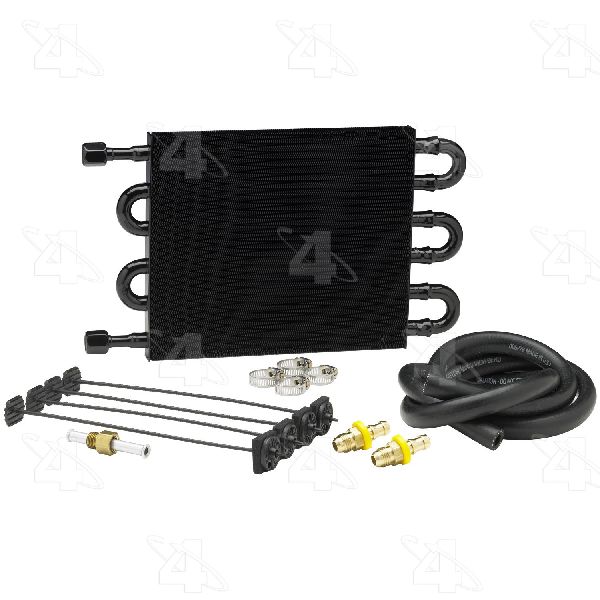
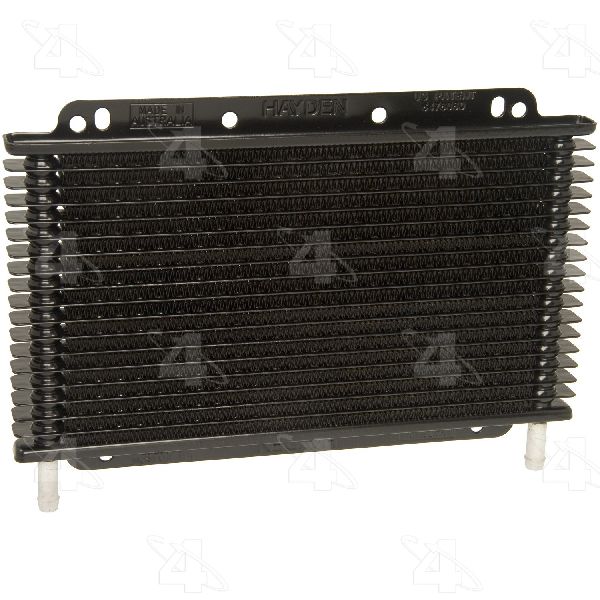
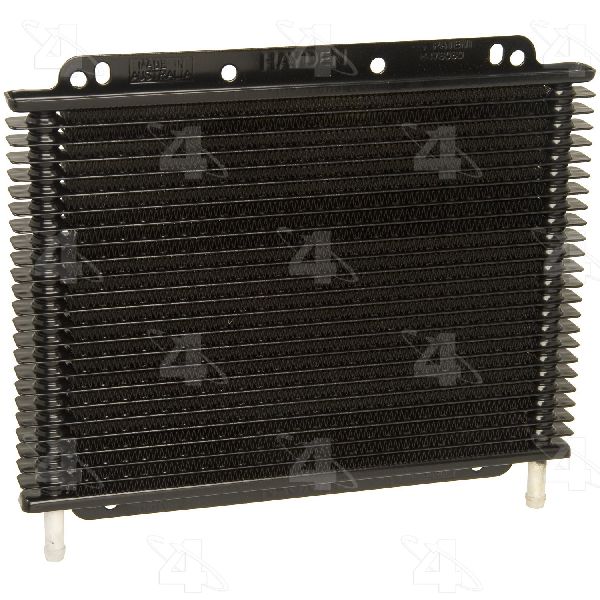
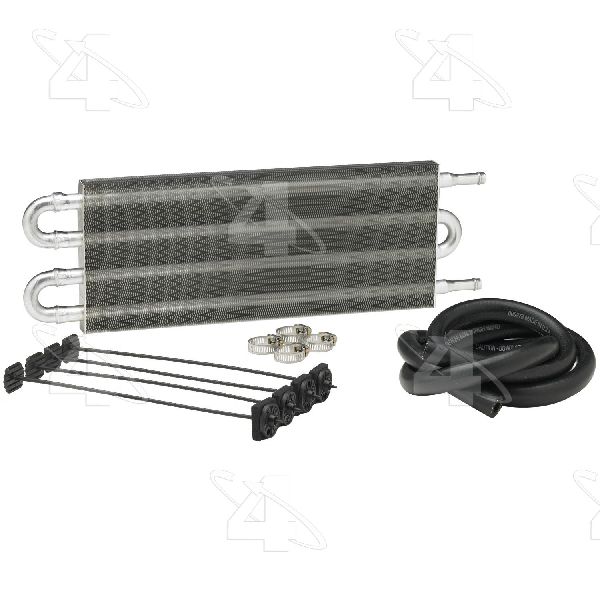
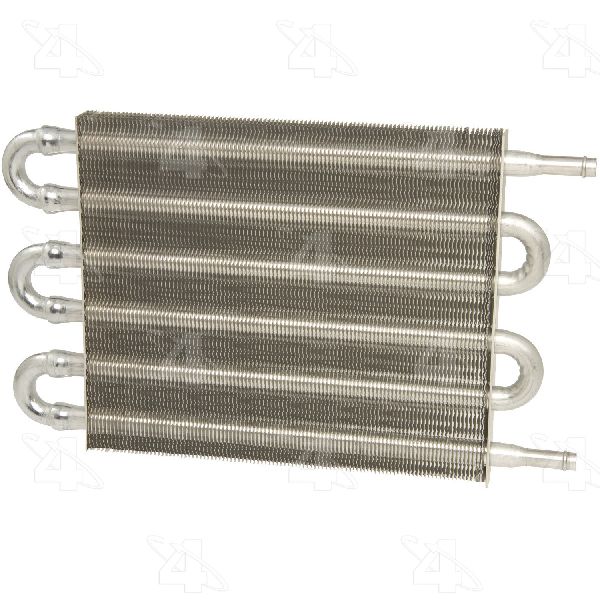
Tube and fin coolers are the most basic design. Plate and fin (or stacked plate) coolers are generally more efficient at cooling because they have more surface area. For a daily driver, either type will work, but a plate and fin cooler is often considered an upgrade.
Helpful Videos
Technical Specifications
OEM Part Numbers: FZ21-19-9F3 FZ01-19-9F0 FSE5-19-9WYG 1S7G6A642AD
Varies by model year. Early models often use external coolers, while later models may have the cooler integrated into the radiator. The part can be a 'tube and fin' or more efficient 'plate and fin' design. Connections are typically hose clamps or quick-disconnect fittings.
We Have This Part in Stock

The information in this article is provided for general reference and educational purposes only. Vehicle specifications, procedures, and part compatibility can vary by production date, trim level, and region. Always consult your vehicle's factory service manual and verify part numbers before purchasing or performing repairs. Safety-critical components such as airbags, seat belts, and braking systems should be installed by a qualified professional.
- Mazda 6: