

Toyota Camry Engine Coolant Thermostat Guide (2003-2017)
Is your Camry's temperature gauge acting up or is your heater blowing cold? Your thermostat might be the problem.
- A temperature gauge that reads low or a P0128 code are the most common signs of a failing thermostat in a Camry.
- For best results, choose an OEM-supplier brand like Aisin or a reputable aftermarket brand like Gates.
- Always replace the gasket with the thermostat and ensure the jiggle pin is facing up (12 o'clock position).
- This is a very manageable DIY job for most 4-cylinder Camry owners, which can save hundreds in labor costs.
Understanding Thermostat Failure in Your Camry

A thermostat is a critical wear item. It's designed to fail in a specific way to protect your engine. Most modern thermostats, including those in the 2003-2017 Camry, are designed to fail in the "open" position. This means coolant will constantly circulate through the radiator, preventing the engine from reaching its proper operating temperature. While this is better than overheating, it can lead to poor fuel economy, reduced heater performance, and a Check Engine Light.
Common Symptoms of a Bad Thermostat
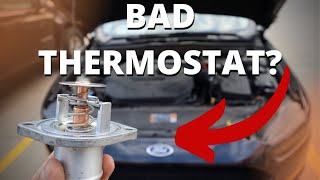
🎬 Watch: A visual guide to identifying bad thermostat symptoms.
Keep an eye (and ear) out for these signs. Ignoring them can lead to more significant engine problems down the road.
- Temperature Gauge Reads Low: The most common symptom. If the gauge never reaches the middle or drops towards cold while driving at highway speeds, the thermostat is likely stuck open.
- Check Engine Light: A thermostat stuck open will often trigger the code P0128 (Coolant Temperature Below Thermostat Regulating Temperature).
- Poor Heater Performance: If your heater blows lukewarm or cold air, it's because the engine isn't getting hot enough to heat the coolant that passes through the heater core.
- Engine Overheating: Less common, but more serious. If the thermostat sticks closed, coolant can't get to the radiator to cool down. The temperature gauge will spike into the red, and you should pull over immediately to prevent catastrophic engine damage.
- Coolant Leaks: Sometimes a failing thermostat or its housing can cause coolant to leak around the thermostat housing area.
Can I Drive with a Bad Thermostat?
If it's stuck open (engine running cool), you can drive short distances, but you should get it repaired soon to avoid poor performance and potential long-term wear. If it's stuck closed (engine overheating), the answer is NO. Pull over immediately and turn off the engine to prevent severe damage.
Choosing the Right Aftermarket Thermostat

For a critical part like a thermostat, quality matters. While OEM from a Toyota dealer is always a safe bet, high-quality aftermarket brands can offer excellent performance and value. Here’s a breakdown of brands based on quality and owner feedback.
Tier 1: OEM or OEM-Supplier Quality
- Aisin: Aisin is a well-known OEM supplier for Toyota. Choosing an Aisin thermostat is essentially like getting the original part without the dealer packaging. They are highly recommended for fit and reliability.
- Beck Arnley: This brand often re-packages OEM parts. For many Toyota applications, you may find an Aisin or other OEM-spec thermostat inside a Beck Arnley box. However, quality can sometimes vary depending on their source for a specific part.
Tier 2: Reputable Aftermarket Brands
- Gates: Gates is a major name in cooling system components. While famous for belts and hoses, their thermostats are generally considered reliable and a solid choice for a standard replacement.
- Calorstat (by Vernet): A large European OEM supplier, Vernet thermostats are a quality option that meets or exceeds OEM specifications.
Tier 3: Standard Replacement / Budget-Friendly
- Motorad: A very common aftermarket brand found in many auto parts stores. Opinions are mixed; some users report no issues, while others have experienced premature failures. Their "Fail-Safe" models are designed to lock open if they fail, but some find this feature can trigger too early.
- Facet: Another option in the standard replacement category. Ensure it comes with a gasket and matches the correct temperature rating for your Camry.
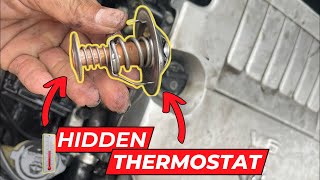
Pro Tip: Always replace the thermostat gasket or O-ring at the same time as the thermostat. Many quality kits include it. Also, ensure the new thermostat has a "jiggle valve" or air-bleed pin and that it is installed in the 12 o'clock (up) position to help bleed air from the system.
Cost of Replacing a Toyota Camry Thermostat
Replacing a thermostat is a relatively inexpensive repair, especially if you do it yourself. The part itself is affordable, and the main cost is labor if you take it to a shop.
| Item | Estimated Cost |
|---|---|
| New Aftermarket Thermostat | $17 - $74 |
| New OEM Thermostat | $52 - $65 |
| Shop Labor | $210 - $308 |
| Total Professional Replacement | $312 - $472 |
Frequently Asked Questions

Is there a recall on the 2003-2017 Camry thermostat?
No, there are no specific recalls for the engine coolant thermostat on the 2003-2017 Toyota Camry. Searches of NHTSA data did not show any recalls for this component.
What is a P0128 code on my Toyota Camry?
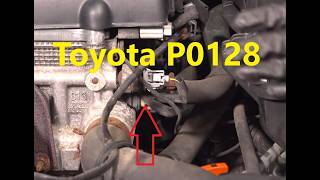
The P0128 code means "Coolant Temperature Below Thermostat Regulating Temperature." The car's computer expects the engine to warm up within a certain time. If it doesn't, it assumes the thermostat is stuck open, triggering the light. While other issues like low coolant or a bad sensor can cause it, a faulty thermostat is the most common reason.
🎬 See this video for a deep dive into the P0128 code.Is it hard to replace a Camry thermostat myself?
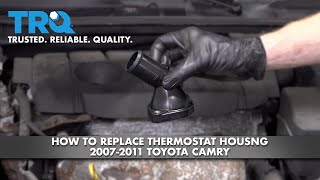
For most 2003-2017 Camry models, especially the 4-cylinder engines, this is a very DIY-friendly job. It's typically located in an accessible spot on the engine block where the lower radiator hose connects. 🎬 Watch: Step-by-step thermostat replacement guide for 2012-2017 Camry models. The V6 models can be a bit more involved due to tighter space. You'll need basic hand tools, a drain pan, and some fresh Toyota-specific coolant.
Should I replace the water pump at the same time?
It depends. If your water pump is driven by the timing belt (common on older V6 models), it's often recommended to replace the pump, belt, and thermostat at the same time as preventative maintenance, usually around 90,000 miles. For 4-cylinder models where the water pump is driven by the serpentine belt, you can replace it separately if it fails.
Do I need a special type of coolant?
Yes, it is highly recommended to use Toyota Super Long Life Coolant (the pink stuff). Using the correct coolant is vital for the longevity of your cooling system components, including the new thermostat and water pump.
Helpful Videos
Technical Specifications
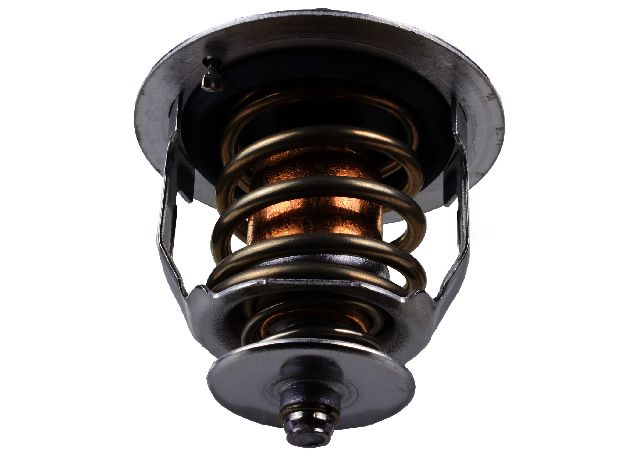
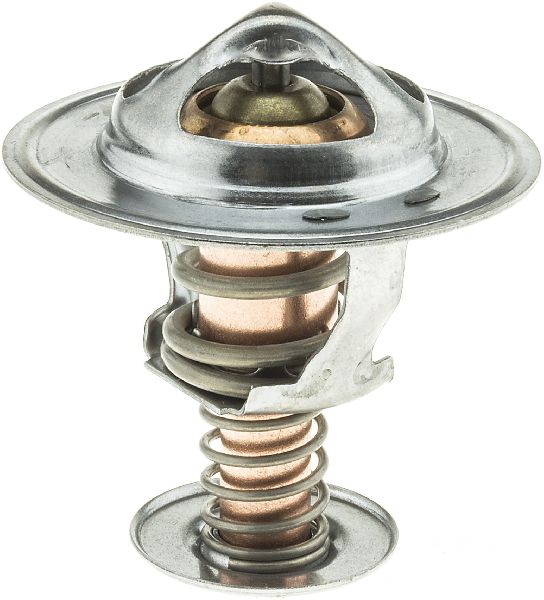
OEM Part Numbers: 90916-03136 90916-A3003 90916-03129 90916-03100
Standard opening temperature is 180°F (82°C). Ensure replacement includes a new gasket or seal and has an air bleed jiggle valve.
We Have This Part in Stock


The information in this article is provided for general reference and educational purposes only. Vehicle specifications, procedures, and part compatibility can vary by production date, trim level, and region. Always consult your vehicle's factory service manual and verify part numbers before purchasing or performing repairs. Safety-critical components such as airbags, seat belts, and braking systems should be installed by a qualified professional.
- Toyota Camry:
- 🎬 Helpful Videos
- 🛍️ Shop This Part
- Understanding Thermostat Failure in Your Camry
- Common Symptoms of a Bad Thermostat
- Can I Drive with a Bad Thermostat?
- Choosing the Right Aftermarket Thermostat
- Tier 1: OEM or OEM-Supplier Quality
- Tier 2: Reputable Aftermarket Brands
- Tier 3: Standard Replacement / Budget-Friendly
- Cost of Replacing a Toyota Camry Thermostat
- Frequently Asked Questions
- 🎟️ Get 5% Off