

Toyota 4Runner Engine Coolant Temperature Sensor Guide (2003-2018)
A complete guide to diagnosing and replacing the engine coolant temperature sensor on your 4th or 5th Gen 4Runner.
- The replacement difficulty and cost are drastically different between the V6 and V8 engines.
- On the 4.0L V6, the sensor is at the back of the engine and requires removing the intake manifold, making it a difficult job.
- On the 4.7L V8, the sensor is at the front of the engine and is easy to access and replace.
- For this part, it is highly recommended to use an OEM (Toyota) or OEM-supplier (Denso) sensor to ensure reliability.
Understanding ECT Sensor Failure in Your 4Runner

The Engine Coolant Temperature (ECT) sensor is a small but vital part that tells your 4Runner's computer how hot the engine is. When it fails, the computer gets bad information, which can cause a variety of problems ranging from annoying to engine-threatening. The sensor can fail from age, corrosion, or issues within the cooling system itself, like low coolant levels creating air pockets.
Symptoms of a Bad Coolant Temperature Sensor

A failing ECT sensor can make your truck behave in several specific ways. Here’s what to look out for:
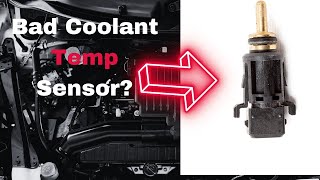
🎬 Watch: 8 common symptoms of a failing coolant sensor- Check Engine Light: This is often the first sign. The ECU will log fault codes like P0117 (Circuit Low) or P0118 (Circuit High).
- Poor Fuel Economy: If the sensor wrongly tells the ECU the engine is cold, the computer will enrich the fuel mixture, causing you to use more gas.
- Black Smoke from Exhaust: A rich fuel mixture from a bad sensor reading can lead to unburnt fuel in the exhaust, which creates black smoke.
- Engine Overheating: A faulty sensor might fail to trigger the cooling fans, leading to the engine overheating, which can cause severe damage.
- Rough Idle or Stalling: Incorrect temperature data can lead to the wrong air-fuel mixture, causing the engine to run poorly, idle roughly, or even stall.
- Erratic Temperature Gauge: The gauge on your dashboard may not move at all, or it might jump around unpredictably.
- Hard Starting: The engine may be difficult to start, especially when it's already warm, because the ECU is using the wrong fuel and timing settings.
A Tale of Two Engines: V6 vs. V8 Replacement
The single most important thing to know is that replacing this sensor is a completely different job depending on which engine you have. The cost and difficulty vary dramatically.
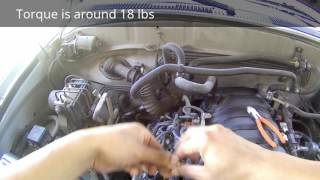
- 4.0L V6 (4th & 5th Gen): The sensor is located at the rear of the engine, underneath the intake manifold. This is a difficult and labor-intensive job. A mechanic will need to remove the upper intake manifold to gain access, which significantly increases labor time. This is not a beginner-friendly DIY job. 🎬 Watch: A walkthrough of the difficult V6 sensor replacement
- 4.7L V8 (4th Gen): The sensor is located on the front coolant crossover pipe, right at the top-front of the engine. This location is much more accessible and makes for a relatively quick and easy replacement 🎬 See this step-by-step replacement guide for the V8 engine for a DIYer or a shop.
Choosing the Right Aftermarket Sensor

For critical electronic sensors, quality matters. While many brands are available, forum discussions among 4Runner owners consistently recommend sticking close to the original equipment manufacturer (OEM) to avoid issues.
- Tier 1 (Best): Genuine Toyota or Denso. Denso is the original equipment supplier for many Toyota parts, including this sensor. Choosing Denso gives you OEM quality, often at a lower price than the Toyota-branded part.
- Tier 2 (Good): NGK (also known as NTK for sensors), Beck Arnley, and Standard Motor Products (SMP). These are reputable aftermarket brands. However, be aware that brands like SMP have different quality tiers; avoid their economy lines (often in a different color box, like the green "T-series").
- Tier 3 (Use with Caution): Facet, URO Parts, and other budget or store brands. While brands like Facet claim OE-or-better quality, real-world feedback is mixed. Forum users have reported fitment and reliability issues with lower-cost brands like URO Parts on other vehicles, making them a risky choice for a sensor that is so difficult to replace on the V6 engine.
| Part Type | 4.7L V8 Cost | 4.0L V6 Cost | Notes |
|---|---|---|---|
| New OEM Part | $65 - $98 | $65 - $98 | Part number 89422-35010 is used for both engines. |
| New Aftermarket Part | $20 - $80 | $20 - $80 | Price for reputable brands like Denso, NGK, or Beck Arnley. |
| Shop Labor | $95 - $150 | $300 - $500+ | V8 is approx. 1 hour of labor. V6 can be 2.5-4+ hours due to intake manifold removal. |
| Total (V8) | $115 - $250 | Using aftermarket part and independent shop labor. | |
| Total (V6) | $320 - $600+ | Using aftermarket part and independent shop labor. | |
Frequently Asked Questions (FAQ)
Where is the ECT sensor located on a 2003-2018 4Runner?
It depends on your engine. On the 4.7L V8, it's easily accessible at the front of the engine on the coolant crossover pipe. On the 4.0L V6 (both 4th and 5th gen), it is in a very difficult-to-reach spot at the rear of the engine, under the intake manifold.
Can I replace the coolant temperature sensor myself?
If you have a 4.7L V8, yes. It is considered a straightforward DIY job with basic tools, primarily a 19mm deep socket. If you have the 4.0L V6, it is a much more advanced repair that requires removing the intake manifold and is not recommended for beginners.
Is there a recall on the 4Runner for the ECT sensor?
No, there are no specific NHTSA recalls or widespread Technical Service Bulletins (TSBs) for the engine coolant temperature sensor on the 2003-2018 Toyota 4Runner.
What is the most common mistake when ordering this part?
The most common mistake is underestimating the difficulty of the job for the 4.0L V6 engine and buying a cheap, low-quality sensor. The labor to access the sensor on the V6 is significant, so using a top-tier part (Denso or OEM) is crucial to ensure you don't have to do the job twice.
Helpful Videos
Technical Specifications
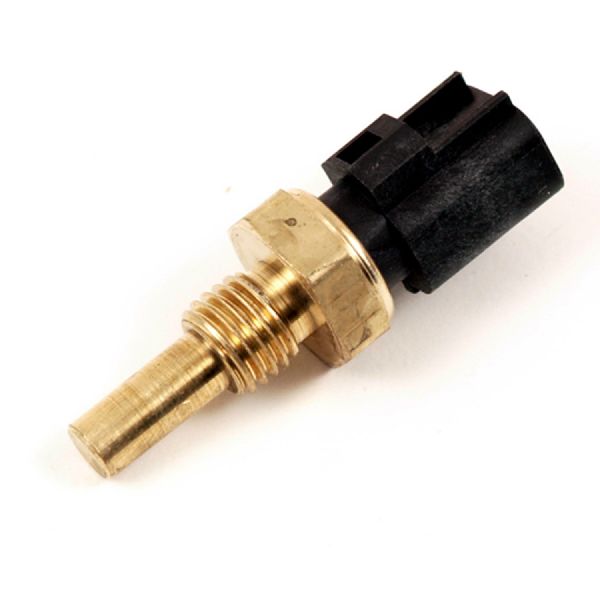
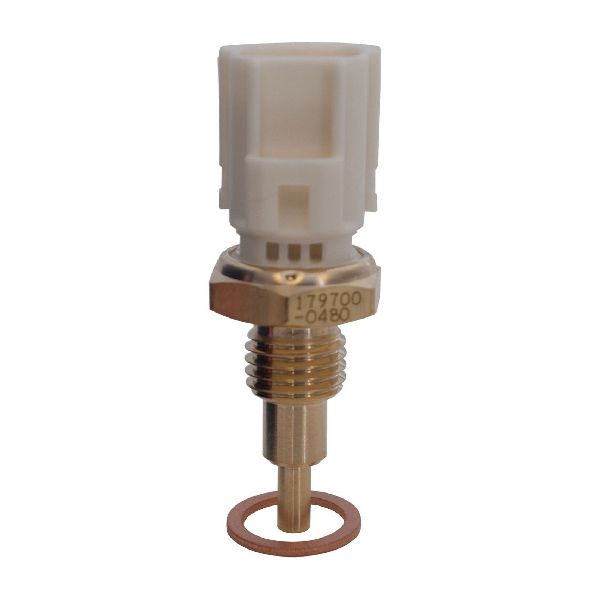
OEM Part Numbers: 89422-35010 89422-30030 89422-20010
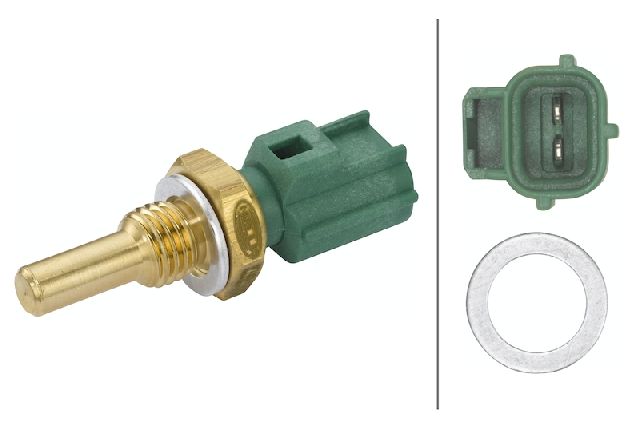
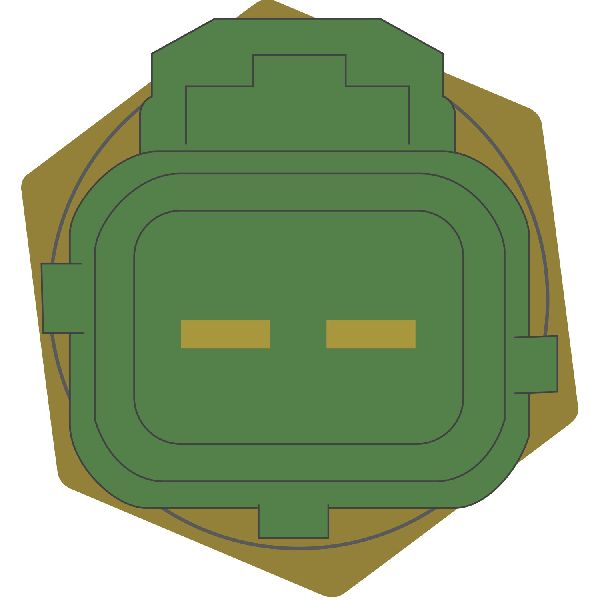
Connector has 2 blade-type terminals. The sensor is typically removed with a 19mm deep socket.
We Have This Part in Stock


The information in this article is provided for general reference and educational purposes only. Vehicle specifications, procedures, and part compatibility can vary by production date, trim level, and region. Always consult your vehicle's factory service manual and verify part numbers before purchasing or performing repairs. Safety-critical components such as airbags, seat belts, and braking systems should be installed by a qualified professional.
- Toyota 4Runner: