

Honda Pilot (2003-2020) Transmission Control Solenoid: A Complete Guide
If your Pilot is jerking, shifting hard, or the 'D' light is flashing, a bad transmission solenoid is a likely cause.
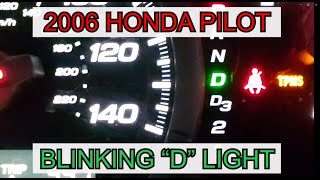
- A flashing 'D' light on a Honda Pilot almost always indicates a transmission fault; get the codes read immediately.
- Correctly diagnosing WHICH solenoid has failed is critical, as your Pilot has several different types.
- Transmission health is highly dependent on clean, correct fluid. A fluid change may solve some issues and is recommended before major parts replacement.
- Early Pilots (2003-2005) and 3rd Gen models (2016-2020) have specific, well-known transmission vulnerabilities.
Understanding Transmission Solenoid Issues in Your Pilot

Transmission problems in the Honda Pilot, especially in certain model years, are a well-documented issue. While some problems can be serious, many shifting issues are directly caused by a failing solenoid, which is a more manageable repair than a full transmission rebuild. These solenoids can fail electrically (internal wiring breaks) or mechanically (they get stuck from contaminated fluid or wear). Because there are several different solenoids, correctly diagnosing which one has failed is the most important first step.
Symptoms of a Bad Transmission Solenoid

Recognizing the signs of a failing solenoid can help you address the issue before it leads to more severe transmission damage. Here’s what to watch for:
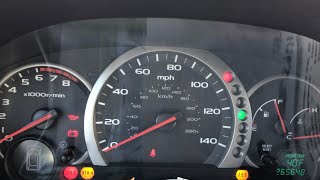
- Flashing "D" Indicator Light: This is the most common sign for Honda vehicles. A blinking green "D" on your dashboard means the transmission control module has detected a fault.
- Harsh, Delayed, or Erratic Shifting: You might feel a clunk or a long pause when the transmission shifts. It might also shift at the wrong times or skip a gear entirely.
- Getting Stuck in Gear (Limp Mode): The transmission may lock itself into a single gear (often 2nd or 3rd) to prevent further damage. Your vehicle will have limited power and speed.
- Shuddering or Jerking: The vehicle may shake or jerk during acceleration or at steady speeds. This is a common complaint, particularly for 3rd generation (2016+) models.
- Check Engine Light: A solenoid failure will often trigger the Check Engine Light and store a diagnostic trouble code (DTC). Common codes include P0741, P0776, and P0796.
Known Issues by Pilot Generation

Solenoid and transmission issues can vary depending on your Pilot's year.
- 1st Generation (2003-2008): The transmissions in early models (especially 2003-2004) were known to have issues, including a recall for an oil cooler return line to improve lubrication. These 5-speed transmissions are very sensitive to fluid condition, and solenoid failures are common as they age.
- 2nd Generation (2009-2015): The 5-speed automatic in these years is generally considered more reliable. However, they are still sensitive to using the correct Honda-specific transmission fluid and having it changed regularly. Shifting issues that appear are often linked to old fluid or a failing solenoid.
- 3rd Generation (2016-2020): This generation used two different transmissions. The 6-speed automatic can experience a "Transmission Temp Too Hot" message and juddering, which Honda addressed with TSB 23-073 involving a software update and fluid flush. 🎬 See how to perform this transmission service for 3rd gen shuddering. The 9-speed automatic (on Touring and Elite trims) was known for sometimes jerky shifting, which was often improved with software updates. The P0741 code for the torque converter clutch is also a known issue, with Honda extending the warranty for some 2017-18 models.
Fluid is Critical
Across all generations, the single most important factor for transmission health is using the correct Honda Genuine ATF (or a fully compatible equivalent) and changing it regularly. Contaminated or broken-down fluid is a leading cause of solenoid failure.
Choosing the Right Aftermarket Solenoid

When replacing a solenoid, you have a choice between OEM (Original Equipment Manufacturer) and aftermarket parts. For a sensitive Honda transmission, part quality matters.
- OEM: The safest, but most expensive, choice. It's a direct replacement for the original part.
- Premium Aftermarket (Standard Ignition, ATP): Brands like Standard Motor Products (SMP) and ATP are established manufacturers that design their parts to match OE fit and function. They often use quality materials like copper windings and stainless steel filters. For many owners, these brands provide a reliable repair at a better price point than OEM.
- Budget Aftermarket: Use caution with unbranded, low-cost solenoids from online marketplaces. While the price is tempting, an out-of-spec part can cause persistent shifting problems or fail prematurely, costing you more in the long run.
Pro Tip: Replace the Gasket
Always use a new gasket or O-ring when replacing a transmission solenoid. Reusing the old one can easily lead to a fluid leak. Many solenoids come with a new gasket, but it's good practice to confirm.
| Part Type | Estimated Cost |
|---|---|
| New OEM Solenoid | $150 - $1,200+ |
| New Aftermarket Solenoid (Single or Kit) | $72 - $847 |
| Used OEM Solenoid | $40 - $250 (Varies) |
| Shop Labor | $120 - $360 (Varies by solenoid location) |
Frequently Asked Questions
Can I replace just one solenoid or do I need a pack?
It depends on the diagnosis. If a specific solenoid code is present (e.g., P0776 for Solenoid B), you can often replace just that single solenoid. However, some solenoids are sold as a complete assembly or pack. If your vehicle has high mileage and one solenoid has failed, a mechanic may recommend replacing the entire pack as a preventative measure.
Is replacing a transmission solenoid a DIY job?
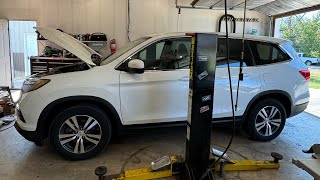
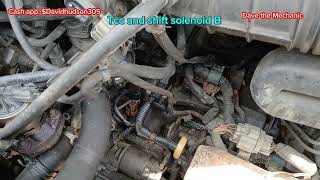
It can be, but it depends on the solenoid's location. Some are external and easily accessible after removing the battery or air intake. 🎬 Watch: Step-by-step instructions for locating and replacing shift solenoids. Others are located inside the transmission oil pan, which requires draining the fluid and removing the pan, making it a more complex and messy job. If you are not comfortable identifying transmission components, it's best to leave this to a professional.
Will a new solenoid fix my transmission shudder?
It might, especially if the shudder is caused by a faulty torque converter clutch (TCC) solenoid. However, on 3rd generation Pilots, a shudder is often related to the transmission fluid itself. Many owners and even Honda TSBs recommend performing multiple transmission fluid drain-and-fills first to see if that resolves the shudder before replacing parts.
What is the flashing "D" light on my Pilot?
The flashing "D" (Drive) indicator is Honda's specific way of telling you there is a problem with the automatic transmission. It is the equivalent of a check engine light but just for the transmission. You should have the vehicle scanned for trouble codes as soon as possible to find the source of the fault.
Helpful Videos



Technical Specifications
OEM Part Numbers: 28500P6H003
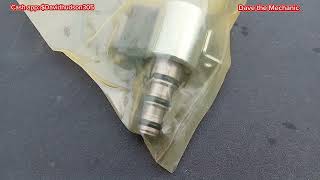
Your Pilot's transmission contains multiple solenoids, including but not limited to: Shift Solenoid A, B, C; Clutch Pressure Control Solenoids A, B, C; and a Torque Converter Clutch (TCC) Solenoid. They can be single linear, dual linear, or part of a larger solenoid pack assembly. The specific part number needed depends on the vehicle year and which solenoid has failed.
We Have This Part in Stock


The information in this article is provided for general reference and educational purposes only. Vehicle specifications, procedures, and part compatibility can vary by production date, trim level, and region. Always consult your vehicle's factory service manual and verify part numbers before purchasing or performing repairs. Safety-critical components such as airbags, seat belts, and braking systems should be installed by a qualified professional.
- Honda Pilot: