

A Guide to Replacing Disc Brake Pads on the 2003-2020 Toyota 4Runner
Choosing the right brake pads for your 4Runner is crucial for safety, performance, and avoiding common issues like noise and premature wear.
- For quiet, daily driving, choose ceramic pads from Akebono, Advics, or Bosch.
- For towing or improved performance, upgrade to a truck-specific kit like Powerstop Z36 or Hawk LTS.
- 4th Gen (2003-2009) owners must inspect front calipers for seized pistons during a brake job.
- Be aware that Toyota dealers sell two tiers of pads; the cheaper TCMC line is not the same quality as the factory-installed pads.
Symptoms of Worn Brake Pads
Your 4Runner has built-in ways to tell you it's time for new brake pads. Ignoring these signs can lead to more expensive repairs. Look out for:
- Squealing or Screeching: Most brake pads have a small metal tab called a wear indicator. When the pad is nearly worn out, this tab scrapes against the rotor, making a high-pitched noise when you brake.
- Grinding Noises: A loud grinding or growling sound means the pad material is completely gone. You are now hearing metal-on-metal contact between the pad's backing plate and the rotor. This is a critical safety issue that damages rotors quickly.
- Longer Stopping Distances: If you notice the truck takes longer to stop than it used to, your pads are likely worn and can't create enough friction.
- Pulsation or Vibration: A vibrating brake pedal often points to warped rotors, but it can also be caused by uneven pad material deposits on the rotor face. This is often a result of overheating the brakes.
Choosing the Right Aftermarket Brake Pads
With so many brands available, picking the right pad can be confusing. The best choice depends on your driving habits and budget. We can group the options into three main tiers.
1. OEM-Equivalent & Daily Driver Pads
These pads are for the owner who wants a quiet, clean, and reliable brake pad that performs like the ones that came on the 4Runner from the factory. They are typically made from ceramic compounds.
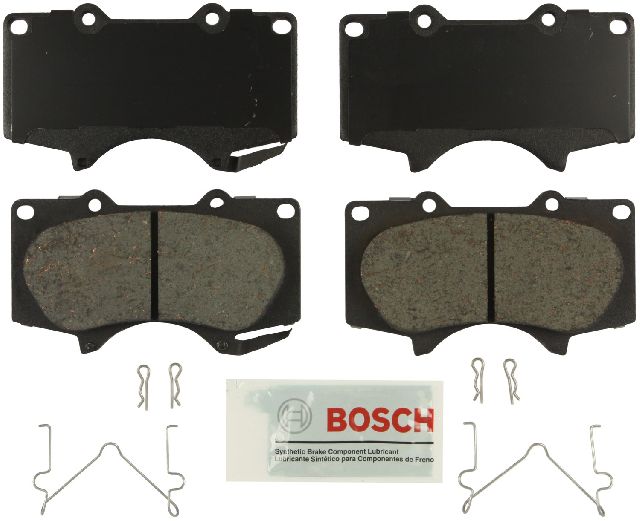
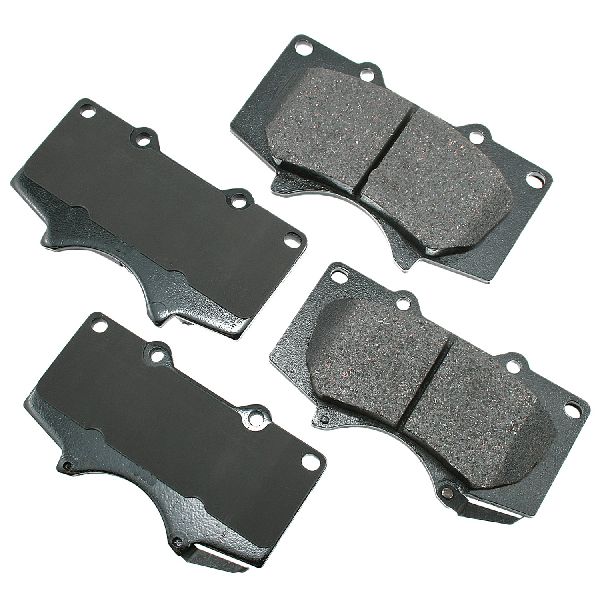
- Akebono & Advics: These Japanese brands are widely considered to be the original equipment manufacturers (OEM) for Toyota. Choosing their aftermarket pads is the closest you can get to the factory parts, offering quiet operation and low dust.
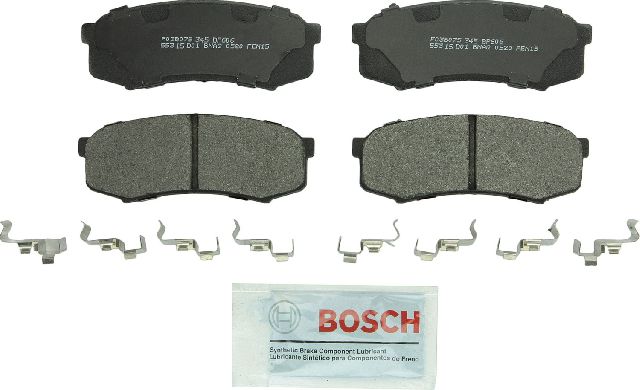
- Bosch QuietCast: A highly recommended aftermarket option that lives up to its name. Owners consistently report them to be extremely quiet, produce very little dust, and offer great value.
- Centric / Raybestos: These brands offer solid, reliable brake pads that are a good balance of quality and affordability for daily driving.
A Warning About "OEM" Toyota Pads
Toyota offers two different grades of brake pads at the dealership. The high-quality, Japan-made pads your 4Runner came with are often called TFR (Toyota Factory Replacement). However, dealers also sell a cheaper, US-made budget line called TCMC (Toyota Complete Maintenance Care) to compete with aftermarket prices. This budget line is known to be noisier, create more dust, and wear out faster. If buying from a dealer, be sure to specify you want the factory-original pads.
2. Heavy-Duty & Performance Upgrade Pads
If you tow a trailer, have a lifted 4Runner with larger tires, or simply want more stopping power, a performance pad is a great upgrade. The trade-off can sometimes be more dust or noise compared to OEM-equivalent pads.
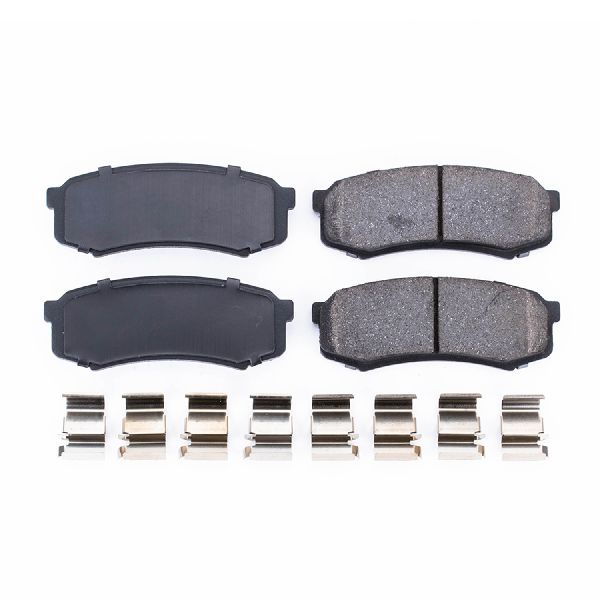
- Powerstop Z36 Truck & Tow / Z23 Evolution Sport: Powerstop is an extremely popular upgrade for 4Runner owners. The Z36 kit is designed for trucks and SUVs with added weight, providing excellent stopping power and fade resistance. Many owners use them to solve issues with OEM brake performance.
- Hawk Performance (HPS, LTS): Hawk offers excellent performance-oriented pads. The LTS (Light Truck & SUV) compound is a great upgrade over stock for better bite and fade resistance, especially when towing or descending steep grades.
- EBC Brakes (Greenstuff, Yellowstuff): EBC is another premium brand offering different compounds for various uses. Their truck-specific pads are a popular choice for improving braking on heavier vehicles.
3. Economy Pads
For those on a tight budget, economy pads from brands like Pronto or Dynamic Friction will get the job done. They meet safety standards, but may not offer the same longevity, quiet operation, or low-dust characteristics of the higher-tier options.
Vehicle-Specific Issues & Information
4th Generation (2003-2009): Seized Front Calipers
The 4th Gen 4Runner is notorious for its front brake calipers seizing. The pistons inside the caliper can corrode and get stuck, causing the brake pads to drag constantly on the rotor. This leads to extremely rapid pad wear, overheating, and poor performance. When replacing pads on a 4th Gen, it is critical to inspect the calipers to ensure all four pistons move freely.
Pro Tip: 4th Gen Brake Upgrade
Many 4th Gen owners solve the caliper seizing issue and improve braking by upgrading to the larger front calipers and thicker rotors from the 5th Generation (2010+). This is a direct bolt-on modification (requires 17" wheels or larger) that provides a noticeable improvement in stopping power and heat dissipation. The brake pads themselves are the same for both generations.
5th Generation (2010-2020): Front Brake Squeal TSB
Some 2019-2021 4Runner models may experience a squeal or squeak from the front brakes, especially with light pedal pressure or on cold mornings. This was common enough that Toyota issued a Technical Service Bulletin (TSB T-SB-0051-22) to address it by replacing the original pads with an updated compound. If you have this issue, choosing a quality aftermarket ceramic pad like those from Akebono or Bosch can also resolve the noise.
| Part Type | Price Range (Per Axle) |
|---|---|
| New Aftermarket (Economy) | $24 - $50 |
| New Aftermarket (OEM-Quality / Performance) | $50 - $178 |
| New OEM (Dealer) | $80 - $200 |
| Shop Labor | $100 - $250 |
Frequently Asked Questions (FAQ)
What are the best brake pads for towing with my 4Runner?
For towing, you need a pad that resists brake fade from heat. Look for heavy-duty or truck-specific pads. The Powerstop Z36 Truck & Tow kit is a very popular and effective choice. Hawk LTS pads are also an excellent option.
Why do my new brakes squeal?
New brake squeal can have several causes. It could be from vibrations if anti-squeal shims or grease weren't used correctly. Some performance pads (semi-metallic) are naturally noisier than ceramic pads. On 5th Gen 4Runners, a persistent squeal was a known issue even with OEM pads, addressed by a TSB.
Should I replace my rotors with my pads?
It is highly recommended. Installing new pads on a worn, uneven rotor surface will shorten the life of the new pads and can cause vibration and noise. For best performance and longevity, always replace rotors and pads together.
What's the difference between 4th and 5th Gen 4Runner brakes?
The main difference is in the front. The 5th Gen has larger, more robust front calipers and thicker rotors for better heat management. The 4th Gen calipers are known to seize. The brake pads themselves are interchangeable between the two generations.
Technical Specifications
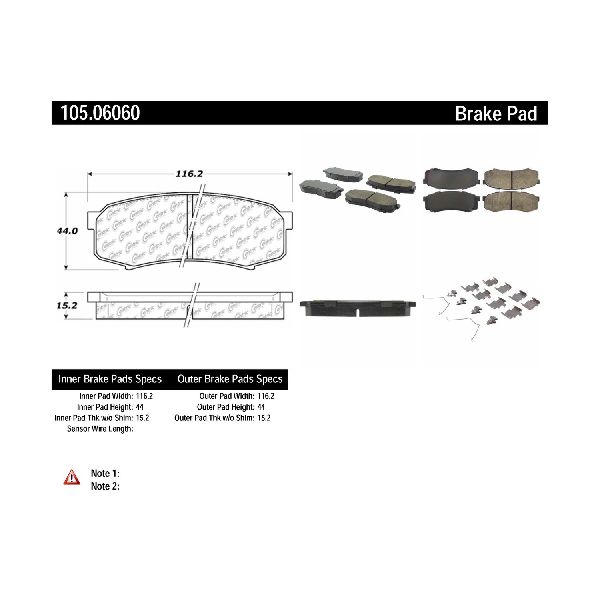
OEM Part Numbers: 04465-35330 04465-60320 04465-35290 04466-60140 04465-AZ200 04466-AZ203
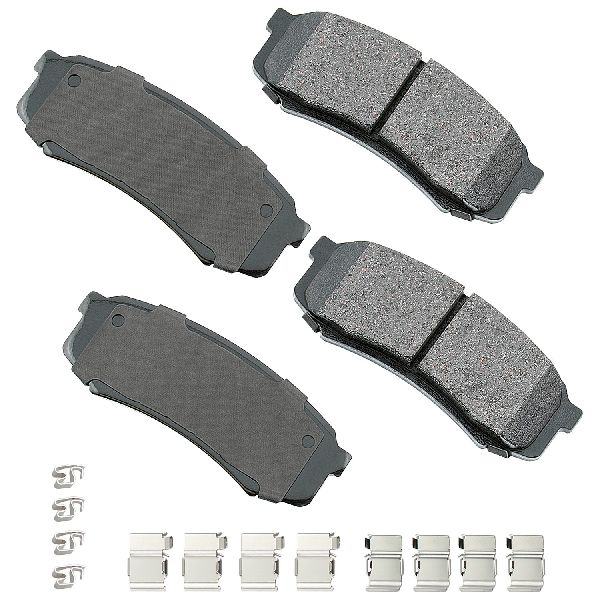
The 2003-2020 Toyota 4Runner uses a fixed, four-piston front caliper design. The brake pads for the 4th (2003-2009) and 5th (2010-2020) generations are physically interchangeable. Most OEM and quality aftermarket pads are of a ceramic composition.
We Have This Part in Stock

The information in this article is provided for general reference and educational purposes only. Vehicle specifications, procedures, and part compatibility can vary by production date, trim level, and region. Always consult your vehicle's factory service manual and verify part numbers before purchasing or performing repairs. Safety-critical components such as airbags, seat belts, and braking systems should be installed by a qualified professional.
- Toyota 4Runner:
- 🛍️ Shop This Part
- Symptoms of Worn Brake Pads
- Choosing the Right Aftermarket Brake Pads
- 1. OEM-Equivalent & Daily Driver Pads
- A Warning About "OEM" Toyota Pads
- 2. Heavy-Duty & Performance Upgrade Pads
- 3. Economy Pads
- Vehicle-Specific Issues & Information
- 4th Generation (2003-2009): Seized Front Calipers
- Pro Tip: 4th Gen Brake Upgrade
- 5th Generation (2010-2020): Front Brake Squeal TSB
- Frequently Asked Questions (FAQ)
- 🎟️ Get 5% Off