

Kia Sorento Engine Oil Pressure Switch Guide (2003-2021)
Understanding the common oil pressure switch failures in your Sorento and how to choose the right replacement part.
- A flickering oil light on a Sorento is very often a faulty switch, not actual low oil pressure.
- Owners of 2014-2018 Sorentos with the 3.3L V6 should check with a Kia dealer about the 15-year/150,000-mile extended warranty for this part.
- Replacement on V6 engines is very labor-intensive and expensive due to the switch's location under the intake manifold.
- Always check the oil level first when the oil light comes on; never assume it's just the switch.
Is Your Sorento's Oil Light On? Here's What to Know.

A flickering or constantly lit oil pressure light on your Kia Sorento's dashboard is a cause for concern, but it doesn't always mean your engine is in immediate danger. Often, the problem is not low oil pressure itself, but a faulty oil pressure switch. This is a common issue for many Sorento owners, especially on models with the 3.3L V6 engine. This guide will help you understand the symptoms, the replacement process, and how to choose a quality aftermarket part.
Special Warranty Extension for 3.3L V6 Engines
Kia recognized a problem with leaking oil pressure switches on certain Sorento models. In April 2022, Kia extended the warranty for the oil pressure switch on 2014-2018 Kia Sorento vehicles equipped with the 3.3L GDI engine. The coverage was increased from 5 years/60,000 miles to 15 years/150,000 miles. If your vehicle falls within this range and shows symptoms of a leaking or faulty switch, a Kia dealer should diagnose and replace it at no cost. Always check with a dealer first if you own one of these models.
Common Failure Symptoms

A failing oil pressure switch can show several signs. Recognizing them early can save you from unnecessary worry and potential engine issues.
- Oil Pressure Light Flickering or On: The most common symptom is the oil light coming on, especially at idle or low RPMs, and going off when you accelerate. This happens because the faulty switch sends an incorrect signal.
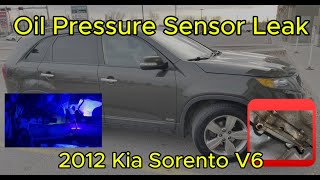
- External Oil Leak: The switch itself can fail and leak oil. On V6 models, the switch is located in the valley of the engine, under the intake manifold. A leak here can be hard to see, but you might find oil on top of the engine block or notice a burning oil smell. Sometimes, oil can even travel through the switch's internal wiring and show up at the electrical connector.
- Incorrect Gauge Reading: If your Sorento has an oil pressure gauge instead of just a light, it may read zero or show erratic readings.
First Step: Check Your Oil Level!
Before assuming the switch is bad, always check your engine oil level with the dipstick. A low oil level is the most serious cause for an oil light and must be addressed immediately. If the oil level is good, the problem is more likely the switch or, less commonly, the oil pump.
Choosing an Aftermarket Replacement Switch

For a simple part like an oil pressure switch, a quality aftermarket brand is often a reliable and cost-effective choice compared to a more expensive OEM part. However, not all aftermarket brands are created equal. Avoid the cheapest, no-name options, as they can be poorly calibrated and fail quickly.
Here's a general breakdown of the brands available:
- Premium Aftermarket (Beck Arnley, Standard Ignition): These brands have a long-standing reputation for quality. They often source parts from OEM manufacturers or engineer their parts to meet or exceed original specifications. They are a trusted choice for reliability.
- Standard Aftermarket (Facet, True Tech, Global Parts, Rostra Powertrain): These brands offer a good balance of value and quality. They are suitable for most repairs and are a significant step up from generic, unbranded parts.
Replacement Cost and Difficulty

The cost to replace the oil pressure switch on a Kia Sorento varies dramatically depending on the engine.
- For 4-Cylinder Engines (e.g., 2.4L): The switch is often easier to access, sometimes located near the alternator. This makes it a more straightforward DIY job and results in lower labor costs at a shop.
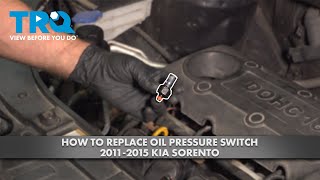
- For V6 Engines (e.g., 3.3L, 3.5L): The switch is notoriously difficult to access. It is buried under the intake manifold. Replacing it requires removing the entire upper and lower intake plenums, which is a labor-intensive job. This can take a professional mechanic several hours.
| Cost Category | Estimated Price |
|---|---|
| New OEM Part | $25 - $60 |
| New Aftermarket Part | $14 - $76 |
| Shop Labor (4-Cylinder) | $90 - $150 |
| Shop Labor (V6) | $400 - $700+ |
Frequently Asked Questions
Where is the oil pressure switch on my Kia Sorento?
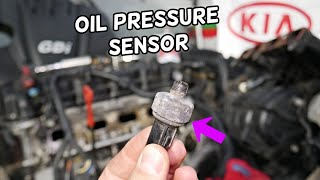
The location depends on your engine. On many 2.4L 4-cylinder engines, it is located on the front of the engine block, near the alternator and oil filter. On 3.3L and 3.5L V6 engines, it is located deep in the engine valley, underneath the intake manifold.
Can I replace the oil pressure switch myself?
If you have a 4-cylinder engine, the replacement is generally feasible for a DIY mechanic with basic tools. For V6 engines, it is a much more difficult job that requires removing the intake manifold and is best left to experienced mechanics.
Is it safe to drive with the oil pressure light on?
No. While the cause is often a faulty switch, you cannot be sure without checking. The light is a warning of potentially no oil pressure, which can destroy your engine in minutes. You should immediately and safely pull over, turn off the engine, and check the oil level. If the level is correct, it is safer to have the vehicle towed to a mechanic for diagnosis.
Will a bad oil pressure switch cause a Check Engine Light?
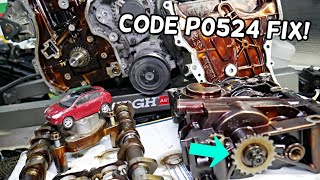
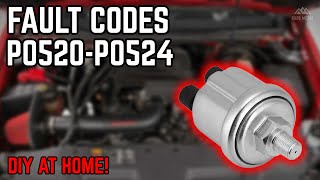
Yes, it can. A faulty oil pressure switch can trigger diagnostic trouble codes, most commonly P0524 (Engine Oil Pressure Too Low), which will illuminate the Check Engine Light.
Helpful Videos



Technical Specifications
OEM Part Numbers: 94750-37100
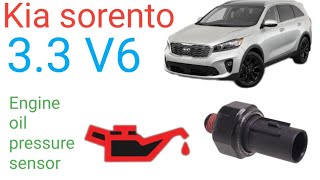
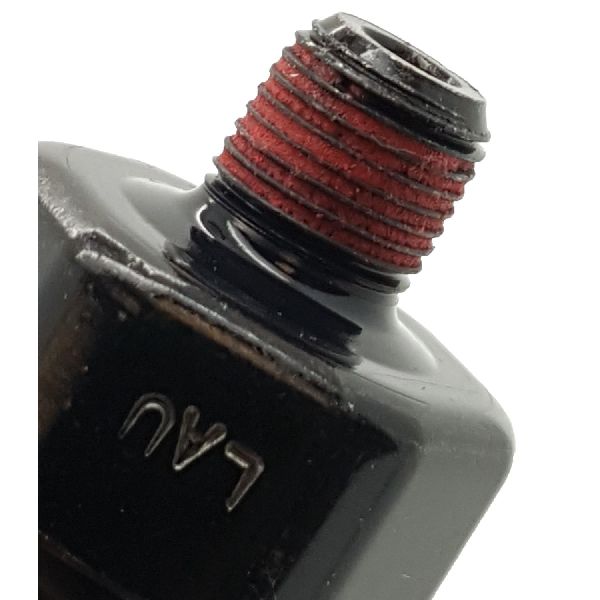
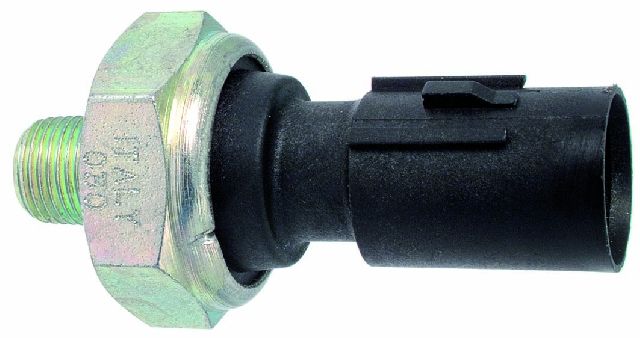
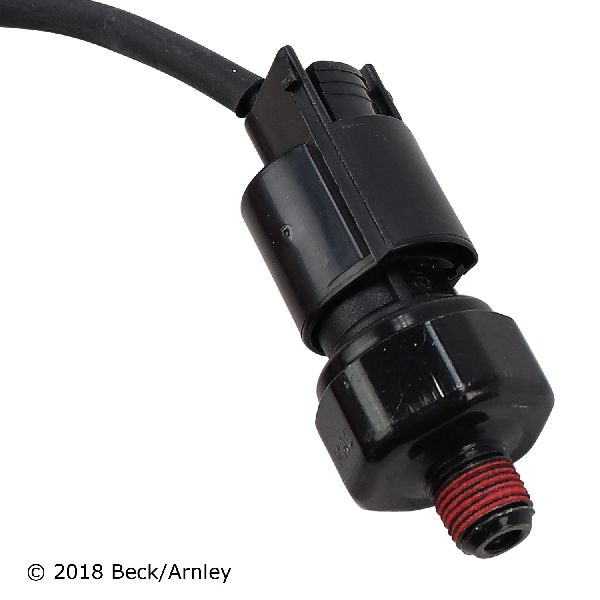
The oil pressure switch is a simple pressure-activated, single-pole switch. On V6 models, replacement requires removal of the intake manifold. On 4-cylinder models, access is typically easier. A special socket may be required for removal and installation on some models.
We Have This Part in Stock


The information in this article is provided for general reference and educational purposes only. Vehicle specifications, procedures, and part compatibility can vary by production date, trim level, and region. Always consult your vehicle's factory service manual and verify part numbers before purchasing or performing repairs. Safety-critical components such as airbags, seat belts, and braking systems should be installed by a qualified professional.
- Kia Sorento:
- 🎬 Helpful Videos
- 🛍️ Shop This Part
- Is Your Sorento's Oil Light On? Here's What to Know.
- Special Warranty Extension for 3.3L V6 Engines
- Common Failure Symptoms
- First Step: Check Your Oil Level!
- Choosing an Aftermarket Replacement Switch
- Replacement Cost and Difficulty
- Frequently Asked Questions
- 🎟️ Get 5% Off