

Honda Pilot A/C Receiver Drier & Desiccant Guide: 2003-2022
If your Pilot's A/C is struggling, this small but critical part could be the key to a lasting repair.
- The receiver drier MUST be replaced any time the A/C system is opened for another repair, like a compressor or condenser replacement.
- This is not a DIY job for beginners. It requires professional equipment to evacuate and recharge the refrigerant system safely and correctly.
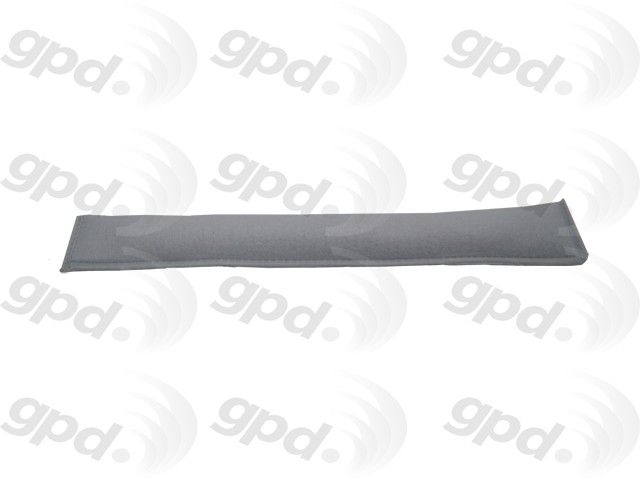
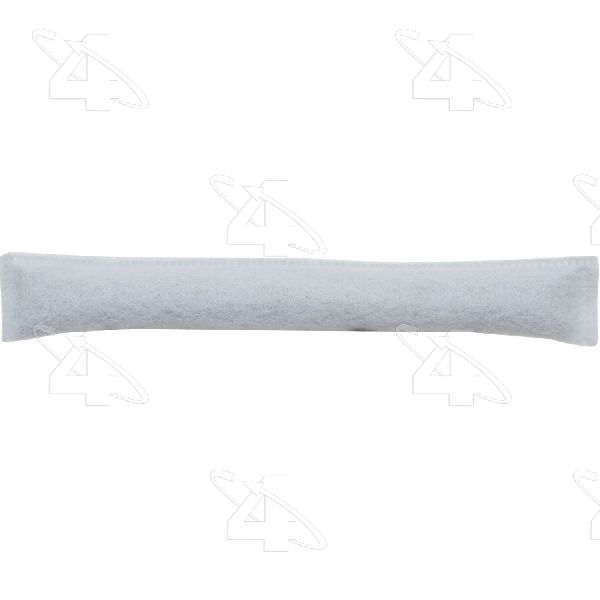
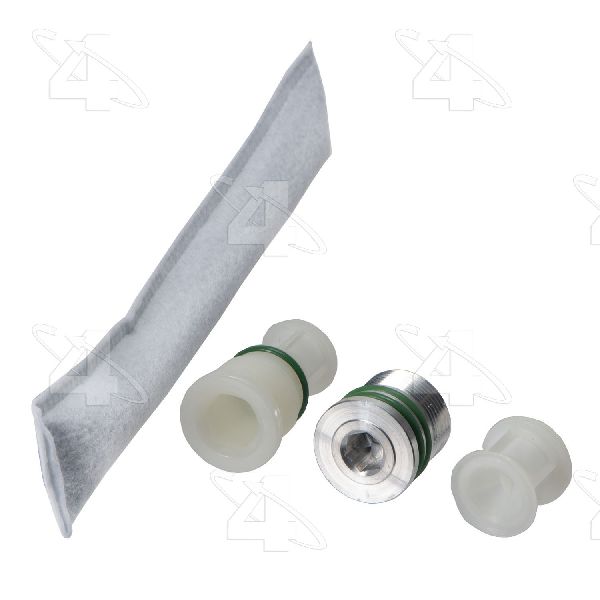
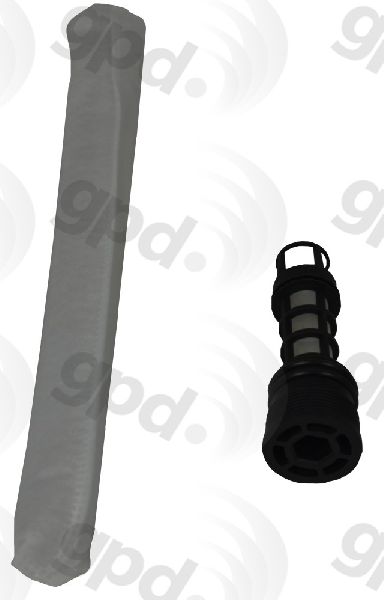
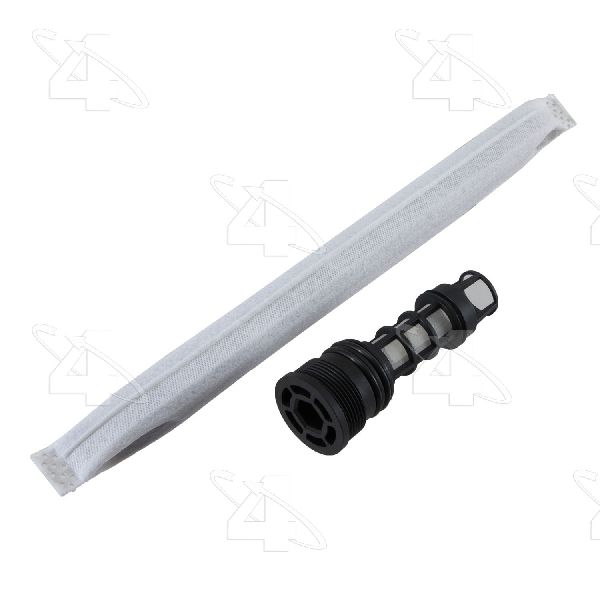
- On many Pilot models, the drier is a desiccant bag that fits inside the condenser, not a separate canister. Verify the correct type for your year.
- Ignoring a failed drier will lead to very expensive damage to your A/C compressor and other components.
Symptoms of a Failing A/C Receiver Drier
A receiver drier doesn't usually fail on its own; its failure is a sign of a larger problem or old age. When the desiccant material inside becomes saturated with moisture or the filter gets clogged, it can no longer protect your A/C system. Here are the signs to watch for:
- Poor Cooling Performance: This is the most common symptom. If the drier is clogged, it restricts the flow of refrigerant, meaning your vents will blow air that's only slightly cool or warm.
- Moldy or Musty Smell: When the drier can't absorb moisture, mold and mildew can grow inside the A/C case, causing a foul smell when you turn on the fan.
- Foggy Windows: A moisture-filled A/C system can't effectively dehumidify the cabin, making it difficult to clear foggy windows.
- Rattling Noises: If the drier has been damaged internally or the desiccant bag has broken open, you might hear rattling sounds from the engine bay when the A/C is running.
Honda Pilot A/C System: Known Issues & TSBs
While the receiver drier itself is not a common failure point, several Technical Service Bulletins (TSBs) point to related A/C problems on specific Pilot models that require its replacement during the repair.
- 2019-2021 Models (TSB A23-050): Many Pilots in these years may experience the A/C blowing warm air due to an oil and refrigerant leak from the A/C compressor shaft seal. Replacing the compressor due to this leak requires replacing the receiver drier as well.
- 2018 Models (TSB A18-080): A specific issue was identified where the A/C does not blow cold because of a poor O-ring seal at the receiver/drier cap on the condenser, causing a refrigerant leak.
- 2022-2023 Models: Honda has investigated issues of the A/C blowing warm air related to seized compressors. A compressor failure contaminates the entire system, making a drier replacement mandatory.
Choosing the Right Aftermarket Receiver Drier
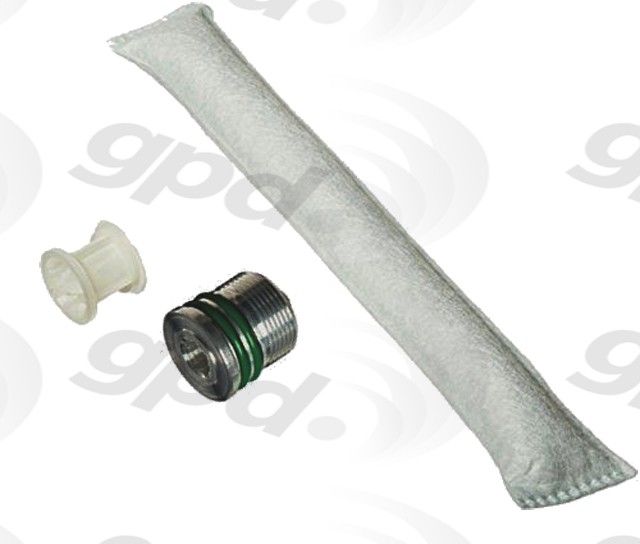
For many Honda Pilot models, especially later generations, the receiver drier is not a separate canister but an integrated "desiccant bag" that fits inside the A/C condenser. When shopping, ensure you are buying the correct style for your year. The two main aftermarket brands you will find are Four Seasons and Global Parts (GPD).
- Good Tier (Value Focused): Brands like Four Seasons and Global Parts (GPD) offer a cost-effective solution. Forum discussions suggest that the quality of these parts can be inconsistent. While some users have success, others refer to them as economy parts. If your budget is tight, a new part from these brands is a viable option, but understand it may not have the same longevity as an OEM part.
- Better Tier (OEM Quality): While not always available aftermarket, brands like Denso are often the original equipment manufacturer for Honda. If you can find a Denso-branded part, it is generally considered a higher-quality choice that is equivalent to the part from the dealer.
Pro Tip: The receiver drier is a disposable filter. Its quality is important, but its replacement is absolutely mandatory anytime the A/C system is opened for a major repair like a compressor or condenser replacement. Never reuse an old drier; it will be saturated with moisture from air exposure and will cause your new, expensive components to fail.
Cost to Replace a Honda Pilot A/C Receiver Drier
The cost is dominated by labor because the entire A/C system must be professionally evacuated and recharged.
| Part/Service | Estimated Cost |
|---|---|
| New Aftermarket Part | $13.29 - $49.43 |
| New OEM Part | $151 - $178 |
| Shop Labor | $243 - $357 |
| Total Estimated Cost | $260 - $410 |
Frequently Asked Questions
When should I replace the receiver drier?
You MUST replace the receiver drier or desiccant bag every time the A/C system is opened to the air. This includes when you replace the A/C compressor, condenser, evaporator, or any of the hoses. A new drier is cheap insurance for protecting the more expensive parts of the system.
Can I replace the receiver drier myself?
This is not recommended for a DIY mechanic. While physically swapping the part may be simple, the job requires specialized and expensive equipment to recover the old refrigerant, pull a deep vacuum on the system to boil off all moisture, and recharge it with the exact weight of new refrigerant and oil. Skipping these steps will cause the A/C system to fail.
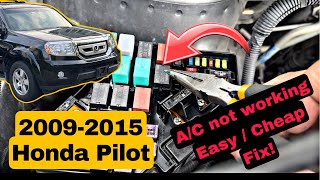
🎬 See a professional evacuation and recharge service in action.What happens if I don't replace a bad receiver drier?
Continuing to run your A/C with a saturated or clogged drier can lead to catastrophic failure of the A/C compressor. Moisture will create acid and corrosion, and debris can break free and destroy the compressor from the inside. This turns a minor repair into one of the most expensive jobs on a vehicle.
Is the receiver drier the same for all Pilot model years?
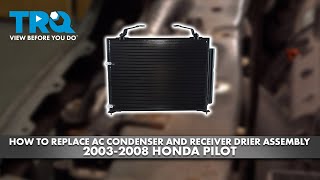
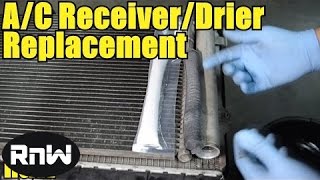
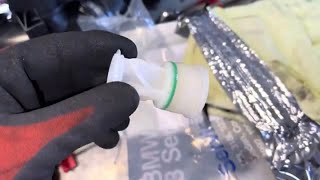
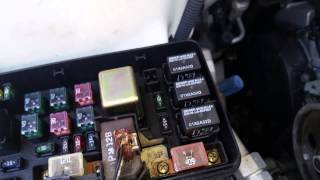
No. The part varies by generation. First-generation Pilots (2003-2008) often have the drier integrated with the condenser as a single assembly. 🎬 Watch: How to replace the condenser and drier assembly. Later models, like the third generation (2016-2022), typically use a replaceable desiccant bag that fits into a chamber on the side of the condenser. 🎬 Watch: How to replace a receiver drier desiccant bag. It is critical to order the part that is specific to your Pilot's year.
Helpful Videos
Technical Specifications
Key Technical Service Bulletins to be aware of: A23-050 (2019-21 Compressor Seal Leak), A18-080 (2018 Drier O-Ring Leak). The part is often a desiccant bag integrated with the condenser assembly.
We Have This Part in Stock

The information in this article is provided for general reference and educational purposes only. Vehicle specifications, procedures, and part compatibility can vary by production date, trim level, and region. Always consult your vehicle's factory service manual and verify part numbers before purchasing or performing repairs. Safety-critical components such as airbags, seat belts, and braking systems should be installed by a qualified professional.
- Honda Pilot: