

Honda Pilot Engine Timing Belt and Water Pump: A Comprehensive Guide (2003-2022)
Everything you need to know about this critical service for your Pilot's V6 engine.
- The Honda Pilot V6 is an interference engine; a broken timing belt will cause catastrophic engine damage.
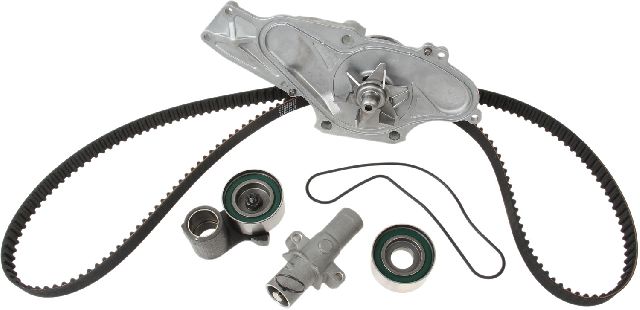
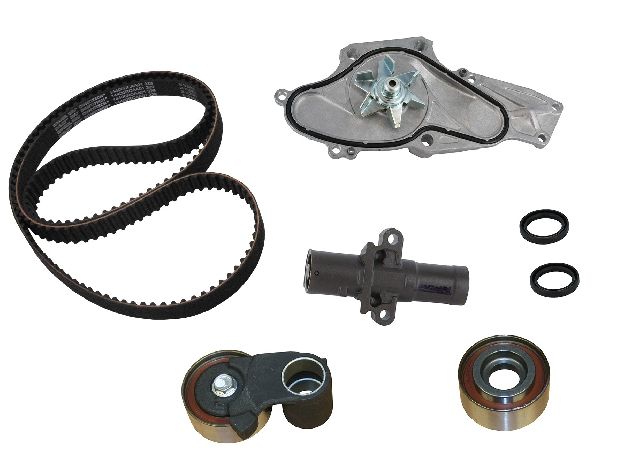
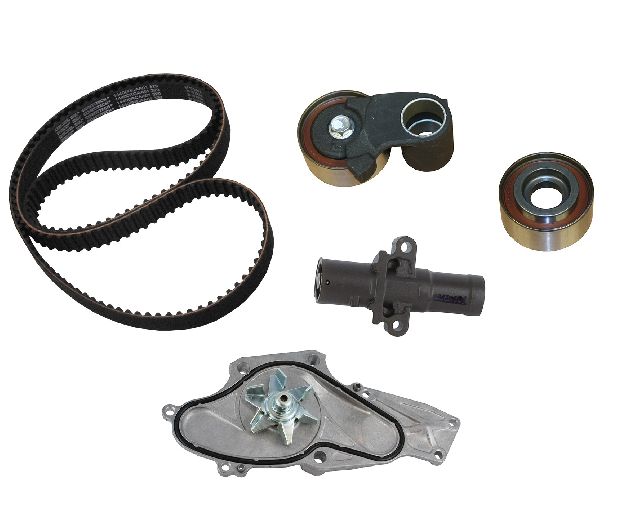
- Replace the complete kit (belt, tensioner, idlers, water pump) every 105,000 miles or 7 years.
- Using a high-quality kit from a brand like Aisin, Gates, or Continental is crucial for a reliable repair.
- The hydraulic tensioner is a vital component; a failure in this part can destroy the new belt and your engine.
Understanding the Importance of Timing Belt Replacement

The V6 engine in the 2003-2022 Honda Pilot is an "interference" engine. This means that if the timing belt breaks or slips, the pistons will strike the valves, causing catastrophic and expensive engine damage. Regular replacement is not just a suggestion; it is essential preventative maintenance to protect your engine. The general recommendation for replacement is every 7 years or around 100,000 to 105,000 miles, whichever comes first.
Critical Maintenance Alert
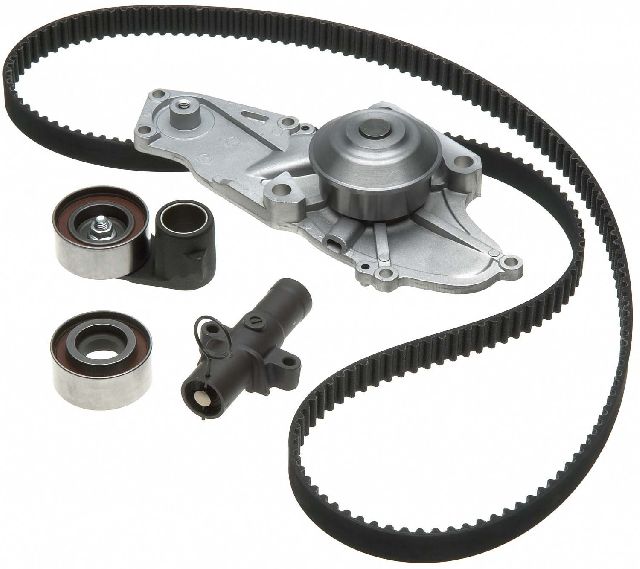
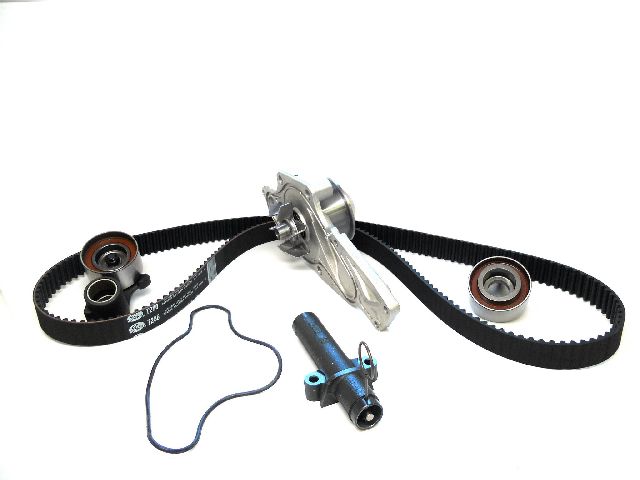
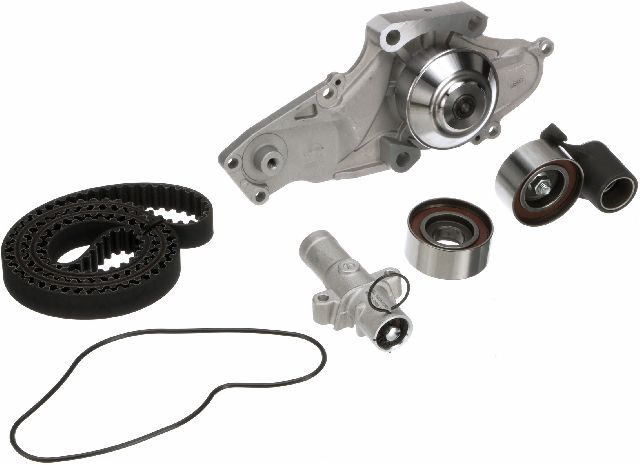
A failed timing belt will lead to severe engine damage. Do not ignore the recommended service interval. A complete kit—including the belt, hydraulic tensioner, idler pulleys, and water pump—should always be used for this job.
Choosing the Right Aftermarket Kit

When it comes to a part this critical, quality is paramount. While OEM parts from a Honda dealer are a safe bet, high-quality aftermarket kits can offer the same performance, often at a better price. Many aftermarket kits even contain parts from the original equipment manufacturers.
- Top Tier (OEM Quality): Brands like Aisin are frequently cited as the OEM supplier for many components in the Honda timing belt system, including the water pump and hydraulic tensioner. An Aisin kit is often considered the gold standard for aftermarket replacements and may include a Mitsuboshi belt and Koyo/NSK bearings, which are also OEM suppliers.
- High-Quality Aftermarket: Gates and Continental are well-respected brands that produce complete timing belt kits. They are known for their quality and often meet or exceed OE performance standards. Many professional mechanics trust and use these kits.
- Standard Aftermarket: Brands like Dayco, GMB, and US Motor Works also offer complete kits. While often more budget-friendly, it is crucial to ensure the kit includes a high-quality hydraulic tensioner, as this is a common failure point in lower-quality kits, which can lead to the new belt failing prematurely.
Pro Tip: The Hydraulic Tensioner is Key
The hydraulic tensioner maintains the correct tension on the timing belt. A faulty tensioner can cause the belt to slip, jump time, or break. When buying a kit, ensure it includes a quality, preferably OEM-brand (like Aisin), tensioner. This single component is vital for the longevity of the entire system.
Known Issues, Recalls, and Technical Service Bulletins (TSBs)

- Recall (2018-2019 Models): Honda issued a recall for certain 2018-2019 Pilots due to timing belts that could have teeth separate, potentially causing the belt to slip, the engine to stall, and increasing the risk of a crash. Dealers were to inspect and, if necessary, replace the timing belt free of charge.
- TSB A16-054 (2016 Models): A technical service bulletin was released for some 2016 Pilots that developed a chirping noise from the timing belt area after the engine warmed up. The cause was identified as the timing belt contacting the crankshaft pulley, and the fix involves installing an idler pulley shim.
| Part/Service | Estimated Cost |
|---|---|
| New Aftermarket Kit | $258.12 - $479.72 |
| New OEM Parts | $612 - $871 |
| Shop Labor | $437 - $640 |
| Total Professional Job | $1,048 - $1,512 |
Frequently Asked Questions (FAQ)

Why do I have to replace the water pump with the timing belt?
The water pump is located behind the timing belt covers and is driven by the timing belt. The labor to access it is significant. Since the water pump has a similar service life to the timing belt, replacing it at the same time is a cost-effective, preventative measure to avoid a future failure that would require paying for the same labor all over again.
What happens if my timing belt breaks while driving?
If the timing belt breaks on your Pilot's V6, the engine will immediately shut off and will not restart. Because it is an interference engine, the pistons will collide with the engine valves, causing severe and often irreparable damage that can require a full engine replacement.
Is an aftermarket kit as good as OEM for my Pilot?
Yes, a high-quality aftermarket kit can be just as good, if not identical to OEM. Brands like Aisin are OEM suppliers to Honda, so their kits often contain the exact same parts you would get from a dealer, just in a different box. Kits from Gates and Continental are also widely trusted by professionals for their reliability.
What is the correct replacement interval for my Pilot?
The generally accepted interval is every 7 years or around 100,000 to 105,000 miles, whichever comes first. Some sources may give a broader range, but adhering to the 105k/7-year rule is the safest approach to prevent catastrophic failure.
Helpful Videos
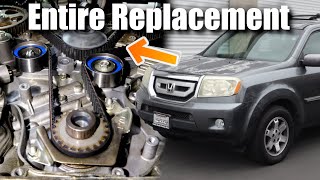
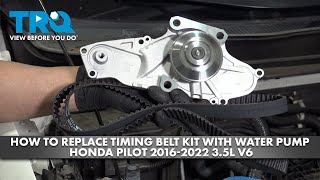
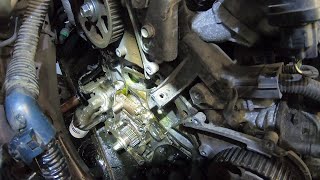
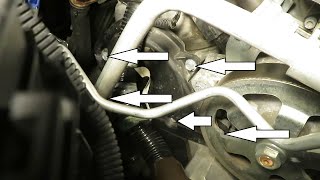
Technical Specifications
OEM Part Numbers: 14400-RCA-A01 14510-RCA-A01 14520-RCA-A01 14550-RCA-A01 19200-RDV-J01
Kit must include: Timing Belt, Hydraulic Tensioner, Tensioner Pulley, Idler Pulley, and Water Pump with Gasket. The Honda J35 V6 engine is an interference design.
We Have This Part in Stock

The information in this article is provided for general reference and educational purposes only. Vehicle specifications, procedures, and part compatibility can vary by production date, trim level, and region. Always consult your vehicle's factory service manual and verify part numbers before purchasing or performing repairs. Safety-critical components such as airbags, seat belts, and braking systems should be installed by a qualified professional.
- Honda Pilot:
- 🎬 Helpful Videos
- 🛍️ Shop This Part
- Understanding the Importance of Timing Belt Replacement
- Critical Maintenance Alert
- Choosing the Right Aftermarket Kit
- Pro Tip: The Hydraulic Tensioner is Key
- Known Issues, Recalls, and Technical Service Bulletins (TSBs)
- Frequently Asked Questions (FAQ)
- 🎟️ Get 5% Off