

Chrysler 300 Radiator Coolant Hose Guide for 2003-2023 Models
Keep your Chrysler 300's V6 or HEMI V8 engine from overheating by understanding when and how to replace your radiator hoses.
- Replace radiator hoses as a preventative measure every 4-5 years or 60,000 miles to avoid a sudden failure.
- Always use molded hoses specific to your Chrysler 300's engine; avoid universal flex hoses.
- When replacing hoses, also replace the thermostat, radiator cap, and clamps for a complete cooling system service.
- Inspect plastic hose tees on 3.5L and 3.6L engines, as they are a known failure point that can cause leaks.
Signs of a Failing Radiator Hose
Radiator hoses are exposed to constant heat, pressure, and vibration, which causes them to wear out over time. Ignoring the signs of a bad hose can lead to sudden failure, engine overheating, and expensive repairs. Watch for these common symptoms on your Chrysler 300:
- Coolant Leaks: This is the most obvious sign. You might see puddles of sweet-smelling green, orange, or purple fluid under your car. Leaks often start at the hose connections or from small cracks in the hose itself.
- Visible Hose Damage: Regularly inspect your hoses. If you see cracks, splits, or fraying, the hose is failing and needs immediate replacement.
- Swollen or Soft Hoses: Squeeze the hoses when the engine is cool. If they feel spongy, soft, or swollen, the internal structure has weakened. This is a sign of impending failure. Oil contamination can also cause hoses to swell and degrade.
- Collapsed Hose: A hose that appears flattened or sucked inward when the engine is cool indicates a problem, possibly a weak hose or a cooling system fault like a bad radiator cap. A collapsed hose restricts coolant flow and can cause overheating.
- Engine Overheating: If your temperature gauge climbs into the red, a failing radiator hose is a common culprit. A lack of coolant due to a leak means the engine can't cool itself properly.
A Note on Plastic Tees
On some Chrysler 300 models, particularly those with the 3.5L and 3.6L engines, plastic "T" connectors are used in the heater hose assemblies. These plastic parts can become brittle and crack over time, causing significant coolant leaks. If you find a leak near the firewall, inspect these tees carefully.
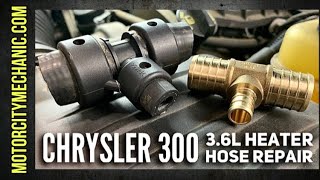
🎬 See how to repair leaking heater hoses on 3.6L engines.Choosing the Right Aftermarket Hose
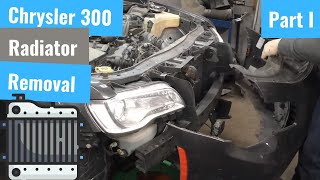
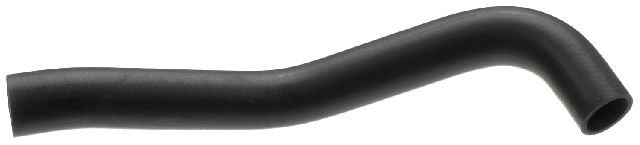
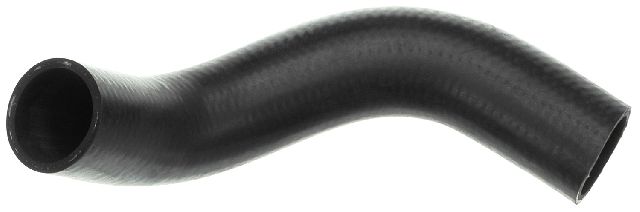
When replacing a radiator hose, you have a choice between OEM (Mopar) and various aftermarket brands. For a daily-driven vehicle, a quality aftermarket hose provides excellent value and reliability. Always use molded hoses designed specifically for your Chrysler 300's year and engine (e.g., 3.6L V6, 5.7L HEMI 🎬 Watch: A beginner's guide to replacing the 5.7 Hemi upper hose.) to ensure proper fit and flow. Avoid flexible or "universal" hoses, as they can kink and restrict flow.
Brand Quality Tiers
- Premium Aftermarket (Gates, Continental): These brands are widely regarded by mechanics as producing high-quality hoses that often meet or exceed OEM specifications. Gates, in particular, is noted for excellent fitment and durability, and they are an OEM supplier for many manufacturers.
- OEM (Mopar): Mopar hoses are the original parts for your vehicle and guarantee a perfect fit and quality performance. They serve as a reliable benchmark, though often at a higher price point than aftermarket options.
- Standard Aftermarket (Dayco, Crown Automotive): Dayco is a well-known brand that offers a more budget-friendly option. While generally considered reliable, some mechanics have noted occasional fitment issues compared to Gates or Mopar.
Pro Tip: When you replace your radiator hoses, it's also the perfect time to replace the thermostat, radiator cap, and hose clamps. This is cheap insurance against future cooling system problems. Also, drain and refill the system with the correct type of coolant specified for your Chrysler 300.
Cost of Radiator Hose Replacement for Chrysler 300 (2003-2023)
| Part Type | Estimated Cost |
|---|---|
| New Aftermarket Hoses (Per Hose) | $20.62 - $270.90 |
| New OEM (Mopar) Hoses (Per Hose) | $40 - $155 |
| Shop Labor Cost | $100 - $200 |
Frequently Asked Questions
How often should I replace my Chrysler 300's radiator hoses?
As a rule of thumb, radiator hoses should be inspected annually and replaced every 4 to 5 years or around 60,000 miles as preventative maintenance, even if they show no visible signs of damage. Hoses degrade from the inside out.
What's the difference between the upper and lower radiator hose?
The upper hose connects the top of the engine (thermostat housing) to the top of the radiator and carries hot coolant. The lower hose connects the bottom of the radiator to the water pump, returning cooled fluid to the engine. The lower hose may sometimes include an internal spring to prevent it from collapsing under the water pump's suction.
Can I use universal flexible hoses instead of molded ones?
It is strongly recommended to use pre-molded hoses made for your specific Chrysler 300 model and engine. Universal or flexible hoses can easily kink or fit poorly, which restricts coolant flow and can lead to overheating.
Do I need to bleed the cooling system after replacing the hoses?
Yes. After replacing the hoses and refilling the coolant, you must bleed the air out of the cooling system. Trapped air can cause air pockets that lead to overheating. Many Chrysler 3.6L engines have a bleeder screw on the thermostat housing to make this process easier.
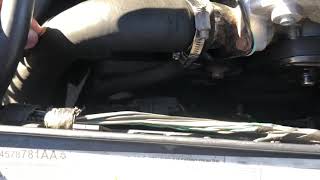
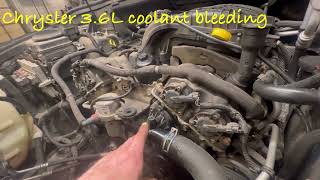
🎬 Watch this walkthrough on bleeding air from the 3.6L cooling system.Helpful Videos

Technical Specifications
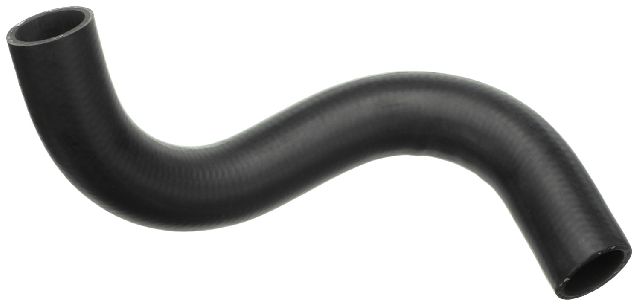
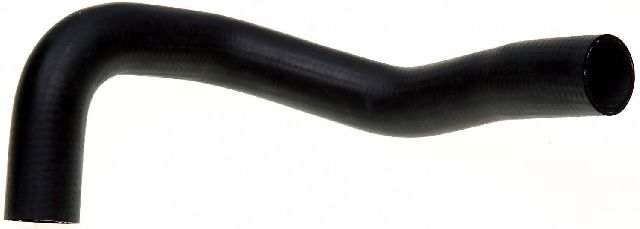
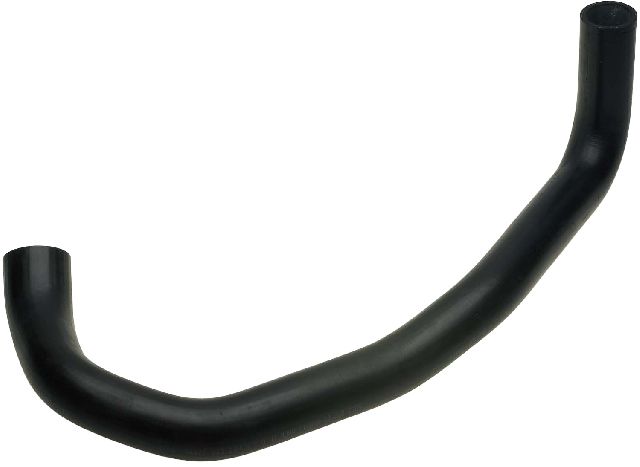
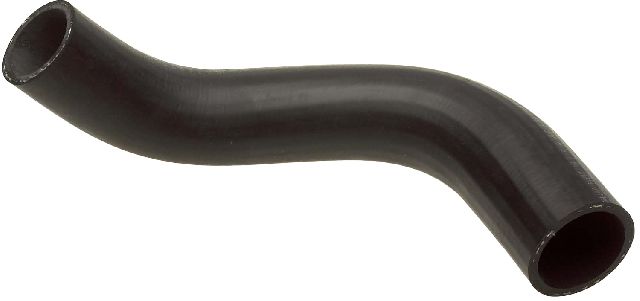
OEM Part Numbers: 55038160AE 55111285AE 4596752AD 55038161AB
Hoses are typically made from EPDM (Ethylene Propylene Diene Monomer) rubber, which is resistant to heat, ozone, and chemical coolants. They are reinforced with materials like knitted rayon or other synthetic fibers to withstand pressure and prevent collapse.
We Have This Part in Stock

The information in this article is provided for general reference and educational purposes only. Vehicle specifications, procedures, and part compatibility can vary by production date, trim level, and region. Always consult your vehicle's factory service manual and verify part numbers before purchasing or performing repairs. Safety-critical components such as airbags, seat belts, and braking systems should be installed by a qualified professional.
- Chrysler 300: