

BMW 545i (2004-2005) Engine Coolant Temperature Sensor: A Complete Guide
Understanding the critical role of the coolant temperature sensor in your 545i's N62 engine and how to choose the right replacement.
- The most common point of failure is the temperature sensor located in the lower radiator hose, not the one on the engine block.
- A faulty sensor can cause serious issues, including engine overheating, so it should be replaced promptly.
- For this critical part, choosing an OEM-equivalent brand like Delphi or Vemo is a wise investment in reliability.
- This is a manageable DIY repair that can be completed in under an hour with basic tools.
Understanding the Coolant Temp Sensor in Your 545i
The 2004-2005 BMW 545i (E60) uses a sophisticated cooling system to manage the heat from its powerful N62 V8 engine. Unlike older cars with simple on/off fans, your BMW's cooling is actively managed by the engine computer (DME). The system actually uses two key temperature sensors. One is located on the engine itself, and the other, which is a more common failure point, is located on the lower radiator hose. This article focuses on this radiator outlet temperature sensor, as it is frequently the cause of cooling system faults and is the part most owners need to replace.
A Critical Part for a Complex System
A faulty coolant temperature sensor can send incorrect information to your car's computer. This can lead to serious issues, from poor fuel economy to engine overheating, which can cause catastrophic engine damage. Do not ignore the symptoms of a failing sensor.
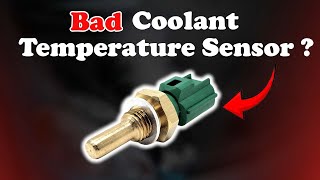
🎬 Watch this video to learn more about bad sensor symptoms.Symptoms of a Failing Coolant Temperature Sensor
When the coolant temperature sensor on your 545i starts to fail, it can cause a number of problems. You might notice one or more of the following signs:
- Check Engine Light: A fault code, such as P0117 (low input) or P0118 (high input), will often be stored in the DME, triggering the check engine light.
- Engine Overheating: If the sensor fails to tell the DME the engine is hot, the electric cooling fan may not turn on at the correct speed, or at all, leading to overheating.
- Poor Fuel Economy: If the sensor incorrectly tells the DME the engine is cold, the computer will enrich the fuel mixture, causing the car to use more gas than necessary.
- Black Smoke from Exhaust: A very rich fuel mixture from a bad sensor reading can result in unburnt fuel entering the exhaust, creating black smoke.
- Erratic Temperature Gauge: The gauge on your dashboard may behave strangely, either not moving at all or jumping to hot or cold unexpectedly.
- Coolant Leaks: The O-ring that seals the sensor in the radiator hose can degrade over time and cause a slow coolant leak.
Choosing the Right Aftermarket Sensor
While a Genuine BMW sensor is always an option, the aftermarket offers a range of choices. For a critical component like this, quality matters. Here’s how the available brands generally stack up for European vehicles:
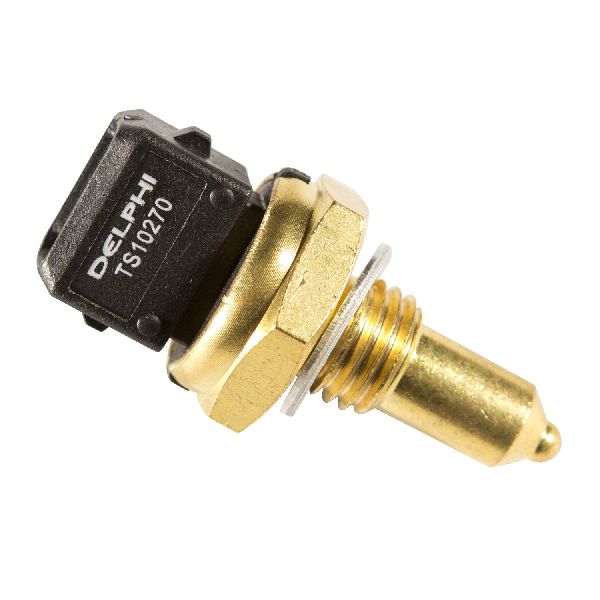
- Tier 1 (OEM Supplier/Equivalent): Brands like Delphi and Vemo are often original equipment manufacturers (OEMs) for BMW and other German brands. These parts are expected to offer the same performance and lifespan as the original part. NGK is also a highly respected brand known for its sensor technology. Choosing from this tier is highly recommended for reliability.
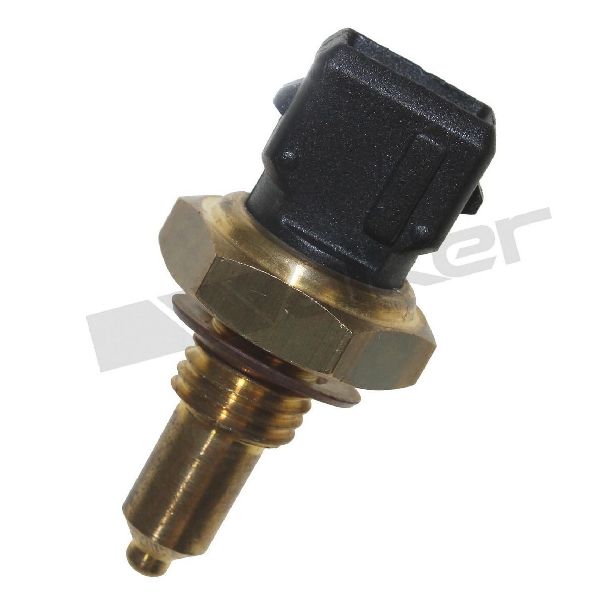
- Tier 2 (Reputable Aftermarket): Brands like Beck Arnley, Standard Ignition (SMP), and Walker Products have a long history of producing reliable replacement parts. They are generally a solid choice and a good balance between price and quality.
- Tier 3 (Budget-Friendly): Brands like URO Parts, Facet, and others offer a more economical solution. While URO Parts has improved its quality over the years, some mechanics and owners prefer to use them for less critical components. For a sensor that plays a key role in engine management, carefully consider the trade-off between initial cost and potential for premature failure.
Cost of Replacing the Engine Coolant Temperature Sensor
| Part/Service | Estimated Cost |
|---|---|
| New OEM Sensor | $48 - $66 |
| New Aftermarket Sensor | $19 - $55 |
| Shop Labor | $100 - $180 |
| Total (DIY) | $19 - $55 |
| Total (Installed at Shop) | $119 - $246 |
Note: Prices are estimates and can vary based on location, supplier, and the specific brand chosen. Labor costs are based on an estimated 0.5-1.0 hour of work.
Pro Tip: Replace the Hose Too?
The sensor is located in the lower radiator hose. Over time, the plastic and rubber of the hose can become brittle. Since you'll be working in that area and may need to drain some coolant anyway, it's a good preventative measure to replace the entire lower radiator hose assembly at the same time, especially on a high-mileage vehicle.
Frequently Asked Questions
Where is the engine coolant temperature sensor located on a 2004-2005 BMW 545i?
The most commonly replaced coolant temperature sensor is located on the passenger side of the engine bay, inserted into the lower radiator hose (also called the radiator outlet hose). You will need to remove the intake air ducting to get a clear view and access to it.
Can I replace this sensor myself?
Yes, this is a DIY-friendly job for someone with basic mechanical skills. The sensor is held in by clips and is accessible from the top of the engine bay after removing the air duct. You will lose a small amount of coolant, so be prepared with a catch pan and have some BMW-approved coolant on hand to top off the system. Always work on a cool engine.
Is there a recall on the coolant temperature sensor for the 545i?
No, there are no specific recalls issued by the NHTSA for the engine coolant temperature sensor on the 2004-2005 BMW 545i. There was a recall for the DME (engine computer) on some 2004 models which could cause stalling, but it is unrelated to the sensor itself.
What happens if I don't replace a bad sensor?
Ignoring a faulty coolant temperature sensor can lead to a range of problems. In the short term, you'll experience poor fuel economy and rough engine performance. In the long term, you risk severe engine damage from overheating if the cooling fans don't operate correctly. It is not a repair that should be postponed.
Helpful Videos
Technical Specifications
OEM Part Numbers: 13621433076 13621433077
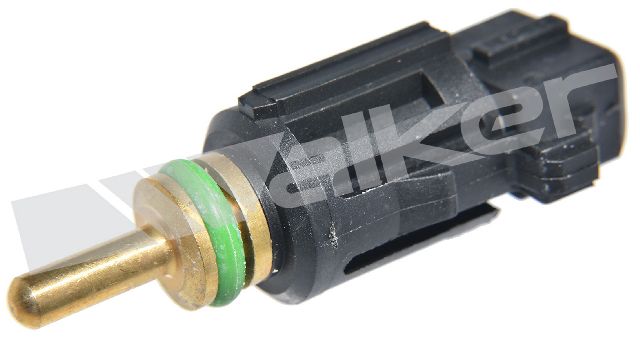
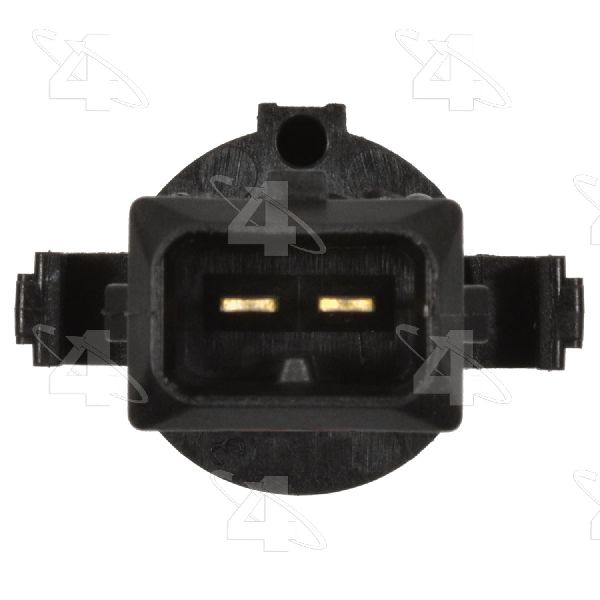
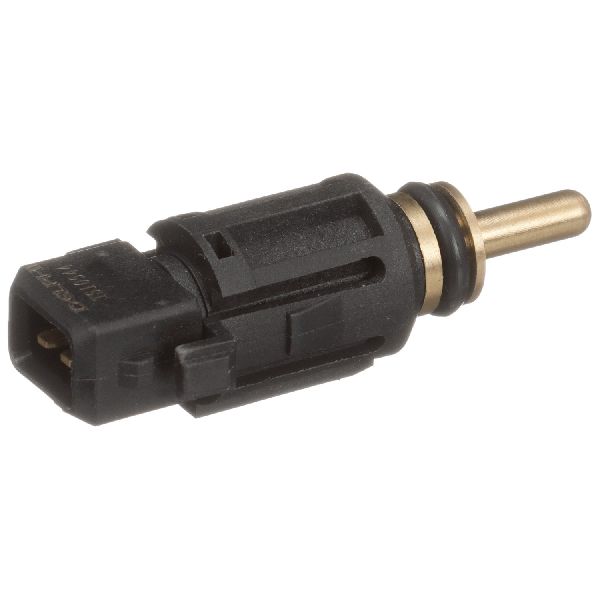
The primary sensor discussed is located in the lower radiator hose and uses a 2-pin connector. It is sealed with a rubber O-ring.
We Have This Part in Stock


The information in this article is provided for general reference and educational purposes only. Vehicle specifications, procedures, and part compatibility can vary by production date, trim level, and region. Always consult your vehicle's factory service manual and verify part numbers before purchasing or performing repairs. Safety-critical components such as airbags, seat belts, and braking systems should be installed by a qualified professional.
- BMW 545i:
- 🎬 Helpful Videos
- 🛍️ Shop This Part
- Understanding the Coolant Temp Sensor in Your 545i
- A Critical Part for a Complex System
- Symptoms of a Failing Coolant Temperature Sensor
- Choosing the Right Aftermarket Sensor
- Cost of Replacing the Engine Coolant Temperature Sensor
- Pro Tip: Replace the Hose Too?
- Frequently Asked Questions
- 🎟️ Get 5% Off