

A Guide to Radiator Coolant Hoses for the 2004-2006 BMW 545i
Understanding coolant hose failure and choosing the right replacement for your V8-powered E60.
- Inspect all coolant hoses for swelling, cracks, or soft spots at every oil change.
- If one hose fails, it is wise to replace all major coolant hoses, the expansion tank, and the thermostat as preventative maintenance.
- Be aware of the common N62 engine coolant transfer pipe leak, which can be mistaken for a hose leak.
- Use only BMW-specified blue (G48/HT-12) coolant to prevent damage to the cooling system.
Signs of a Failing Radiator Hose
A failing coolant hose on a 545i can quickly lead to serious engine problems. It's important to recognize the warning signs early. Look for visible cracks, swelling, or soft, spongy spots on the hoses during regular inspections. You may also notice:
- Puddles of Coolant: Brightly colored fluid (blue or green) under the front of your car is a clear sign of a leak.
- Low Coolant Warning Light: A frequent need to top off your coolant reservoir indicates a leak somewhere in the system.
- Steam or a Sweet Smell: Steam coming from the engine bay, often accompanied by a sweet, syrupy smell, means coolant is leaking onto hot engine components.
- Engine Overheating: If your temperature gauge climbs into the red, a significant coolant loss may have occurred. Pull over immediately to prevent catastrophic engine damage. 🎬 Watch: How to find a coolant leak on your E60
A Critical Known Issue: The Coolant Transfer Pipe
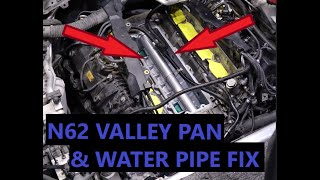
Many 2004-2006 BMW 545i models suffer from a notorious coolant leak that is often misdiagnosed as a bad hose or water pump. The N62 engine has an internal coolant transfer pipe sealed by O-rings that degrade over time. This causes a slow leak from a small "weep hole" in the front timing chain cover. 🎬 See this guide for repairing the N62 coolant transfer pipe If you have a persistent, hard-to-find coolant leak near the front of the engine, it is crucial to investigate this possibility before replacing multiple external parts.
Choosing the Right Aftermarket Hose
When replacing a radiator hose, you have several options besides going to the dealer. Aftermarket brands offer a range of quality and price points. For a critical system like your BMW's cooling, choosing a reputable brand is essential.
Brand Quality Tiers
- OEM-Equivalent (CRP/Rein): Rein is a well-known brand that often supplies original parts to BMW. As such, their products are designed to meet factory specifications. However, some owners have reported occasional fitment issues with aftermarket Rein hoses, such as O-ring seals not seating perfectly. Despite this, they are generally considered a top-tier aftermarket choice.
- Reliable Aftermarket (Gates, Dayco): Gates and Dayco are major players in the aftermarket world, known for producing quality rubber components. Gates is often praised for its reliability and is an OEM supplier for many car manufacturers. Dayco is also a solid choice, though some users have noted minor differences in fit compared to original hoses. Both are dependable options that offer a good balance of price and quality.
- Budget-Friendly (Vaico): Vaico is another available brand, typically positioned as a more economical option. While it can provide cost savings, it is generally not as widely discussed or recommended in BMW forums as the other brands for critical components like cooling hoses.
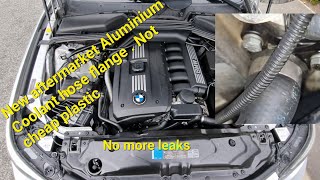
Pro Tip: The plastic connectors on BMW coolant hoses become very brittle with age. It is common for them to break during removal. When replacing a hose, it's also a good time to replace the expansion tank and cap, as they are also common failure points.
🎬 Watch: Complete BMW cooling system overhaul made easyAftermarket vs. OEM Radiator Hose Cost
| Part Type | Estimated Cost (Part Only) |
|---|---|
| New Aftermarket Hose | $48.13 - $107.09 |
| New OEM (Genuine BMW) Hose | $80.00 - $140.00 |
Frequently Asked Questions
Should I replace all my radiator hoses at once?
Yes, it is highly recommended. Radiator hoses are made from the same material and have been exposed to the same conditions. If one has failed due to age, the others are likely near the end of their service life. Replacing them all at once is smart preventative maintenance that can save you from being stranded by another hose failure in the near future.
How can I be sure it's a hose and not the coolant transfer pipe?
A leaking hose will typically leave evidence directly on or around the hose itself, especially at the connection points. The coolant transfer pipe leak specifically appears as a drip from the weep hole on the engine's front timing cover, below the water pump. If you've replaced hoses and the water pump but still have a slow leak in that area, the transfer pipe is the prime suspect.
What type of coolant should I use in my 545i?
You must use a phosphate-free, silicate-free coolant that meets BMW's specifications, typically referred to as "BMW Blue Coolant" (HT-12 is a newer spec, but G48 was common for this era). Using the wrong type of coolant can cause corrosion and damage to the cooling system components. Always use distilled water when mixing with concentrate.
How difficult is it to replace a radiator hose on a 545i?
Replacing the upper radiator hose is a job that a DIYer with basic tools can typically complete in 1-2 hours. It mainly requires removing the airbox for access. However, other hoses, like those under the intake manifold, are significantly more complex and may be best left to a professional mechanic.
Helpful Videos

Technical Specifications
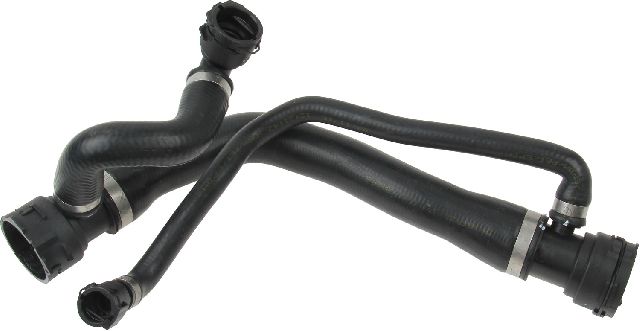
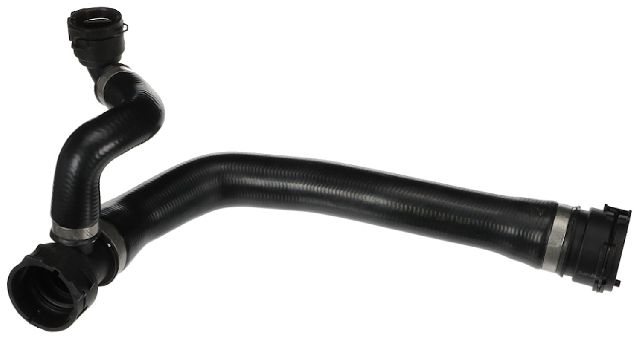
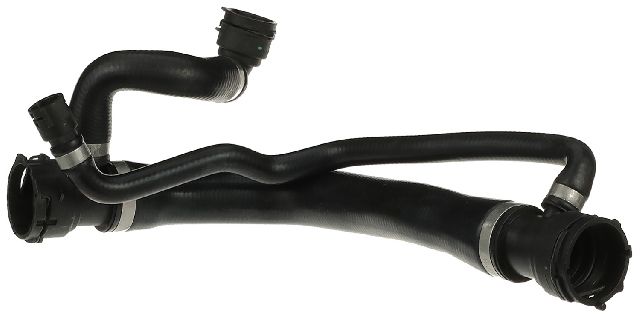
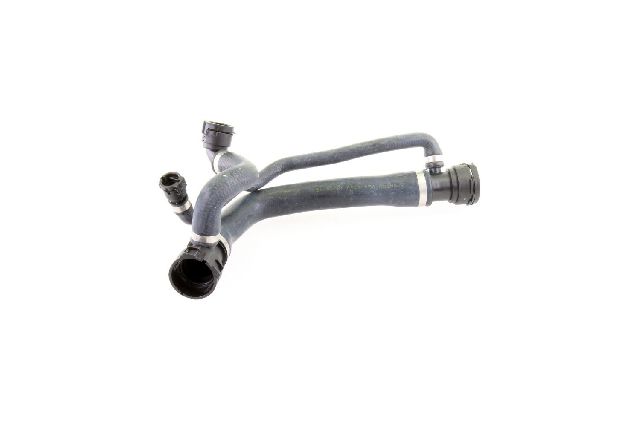
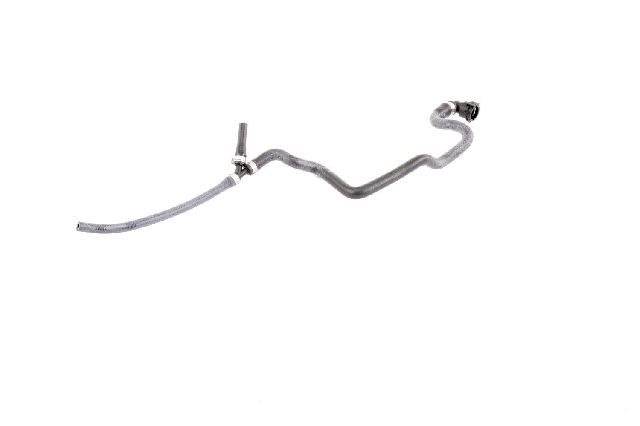
OEM Part Numbers: 17127519248 (Upper, Auto Trans) 17127508011 (Lower) 17127545653 (Expansion Tank to Radiator) 17127519251 (Water Pump to Thermostat)
Hoses for the 545i use specific quick-connect fittings with O-rings and retaining clips, rather than traditional worm-gear clamps at most connection points. They are made of EPDM rubber to withstand high temperatures and electrochemical degradation.
We Have This Part in Stock


The information in this article is provided for general reference and educational purposes only. Vehicle specifications, procedures, and part compatibility can vary by production date, trim level, and region. Always consult your vehicle's factory service manual and verify part numbers before purchasing or performing repairs. Safety-critical components such as airbags, seat belts, and braking systems should be installed by a qualified professional.
- BMW 545i: