

A Guide to the Engine Coolant Temperature Sensor for the 2004-2006 BMW 760i
Address overheating, poor fuel economy, and check engine lights by understanding this critical sensor in your V12 engine.
- Your 760i has two coolant sensors; the one in the lower radiator hose is the most common to fail by leaking and is easiest to replace.
- A failing sensor can cause serious issues like overheating, so address symptoms like a check engine light or poor performance promptly.
- For best results, choose an OEM or OEM-supplier brand like Vemo, Hella, or Delphi to ensure accurate readings and longevity.
- A common failure is the O-ring on the lower hose sensor, which causes a coolant leak. Always inspect for leaks in this area.
Understanding the Coolant Temperature Sensor in Your 760i
A failing Engine Coolant Temperature Sensor (ECTS) can cause a range of frustrating issues, from a simple check engine light to serious performance problems. For the 2004-2006 BMW 760i, it's important to know that there are typically two coolant temperature sensors. One is located in the lower radiator hose and is primarily used to control the electric cooling fan. A second sensor is located on the engine's cylinder head, providing the main temperature reading to the engine computer for fuel and timing calculations. This guide focuses on the more commonly serviced sensor located in the lower radiator hose.
Symptoms of a Failing Coolant Sensor
When the ECTS begins to fail, it can send incorrect signals to the engine computer, leading to noticeable problems. Watch for these common signs:
- Check Engine Light: This is often the first warning. The computer will detect a signal from the sensor that is out of the expected range and trigger a fault code, such as P0117 (signal too low) or P0118 (signal too high).
- Poor Fuel Economy: If the sensor incorrectly tells the computer the engine is cold, the computer will inject more fuel than necessary. This leads to wasted gas and more frequent trips to the pump.
- Black Smoke from Exhaust: An overly rich fuel mixture, caused by a bad sensor reading, may not burn completely in the engine. This unburnt fuel then burns in the hot exhaust pipe, creating black smoke.
- Engine Overheating: A faulty sensor might fail to report that the engine is getting hot. As a result, the electric cooling fans may not turn on when needed, allowing the engine to overheat.
- Rough Idle or Hesitation: The wrong fuel mixture and ignition timing can make the engine run poorly, especially when idling.
Known Issue: Coolant Leaks
A very common failure for the sensor located in the lower radiator hose is not electrical, but physical. The O-ring that seals the sensor can degrade over time, causing a coolant leak from the base of the sensor. If you notice coolant drips on the passenger side of your engine bay, inspect this sensor and its O-ring carefully.
Choosing the Right Aftermarket Sensor
While a Genuine BMW part is always a safe choice, several quality aftermarket brands offer reliable parts for a lower price. For a critical sensor on a 760i, it's wise to avoid the cheapest options and choose a brand with a strong reputation.
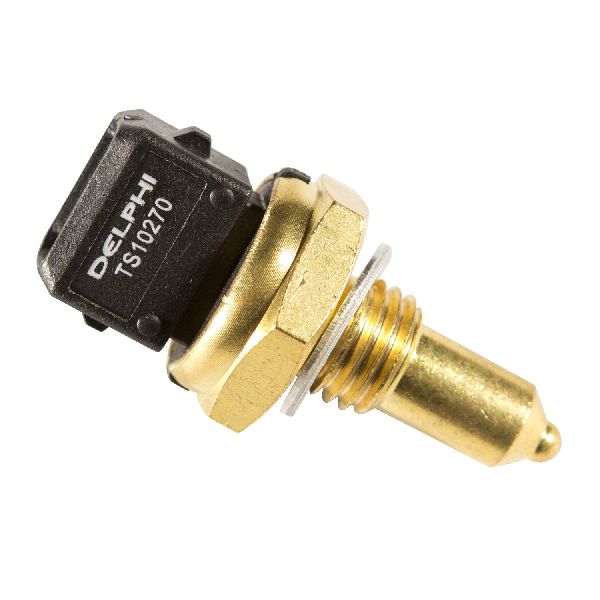
- Premium Brands (OEM Suppliers): Brands like Vemo, Hella, and Delphi often manufacture parts for BMW directly. Choosing one of these is the closest you can get to dealer quality. NGK is also a top-tier manufacturer of engine management sensors.
- Trusted Aftermarket Brands: Beck Arnley and Standard Ignition (SMP) are well-known brands that aim to meet or exceed original specifications. They are generally considered a solid choice for most repairs.
- Budget Brands: Brands like URO Parts are known for their low prices. While they can be suitable for less critical components, for a sensor that impacts engine performance and cooling, it is generally recommended to invest in a higher-quality brand to avoid premature failure and ensure accurate readings.
Pro Tip: When replacing the sensor, especially the one in the lower radiator hose, it's a good idea to replace the O-ring seal as well, even if it comes with the new sensor. This is a common leak point.
Cost to Replace a Coolant Temperature Sensor on a 2004-2006 BMW 760i
| Part Type | Estimated Cost |
|---|---|
| New OEM Sensor | $50 - $80 |
| New Aftermarket Sensor | $19 - $55 |
| Shop Labor (Lower Hose Sensor) | $120 - $200 |
| Total Estimated Cost (DIY) | $19 - $80 |
| Total Estimated Cost (Shop) | $139 - $280 |
Cost estimates are for the lower radiator hose sensor and may vary based on location and parts supplier.
Frequently Asked Questions
Where is the engine coolant temperature sensor located on the 760i?
The 2004-2006 760i has two sensors. The easiest one to access is located in the lower radiator hose on the passenger side of the vehicle. The second, main sensor is mounted directly to the engine's cylinder head and can be much more difficult to access.
Can I replace this sensor myself?
Replacing the sensor in the lower radiator hose is a job that a DIYer with some experience can handle. It requires removing a plastic cover and quickly swapping the sensor to minimize coolant loss. Replacing the sensor on the cylinder head is a more advanced job that may require removing the intake manifold.
Are there any recalls for this part?
No. While there have been several recalls for the 2004-2006 BMW 7-Series, none of them are related to the engine coolant temperature sensor.
What happens if I don't replace a bad coolant sensor?
Ignoring a bad sensor can lead to long-term problems. You will experience poor fuel mileage, and the rich fuel mixture can foul your spark plugs over time. Most importantly, if the sensor fails to trigger the cooling fans, you risk having the engine overheat, which can cause severe and expensive damage.
Technical Specifications
OEM Part Numbers: 13621433077 13621433076
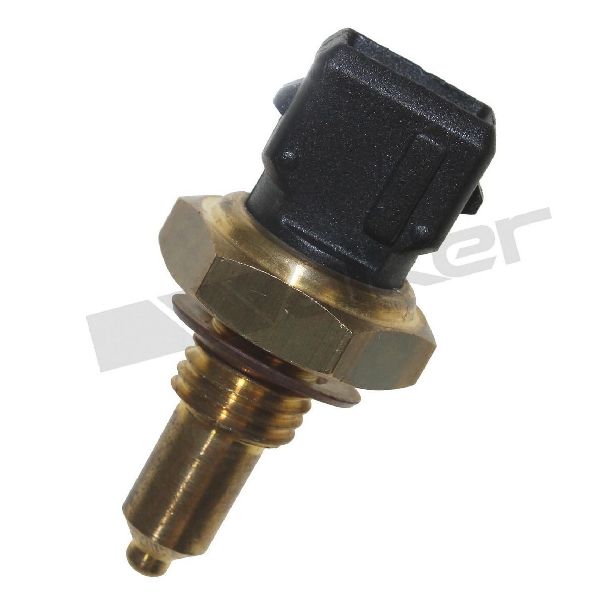
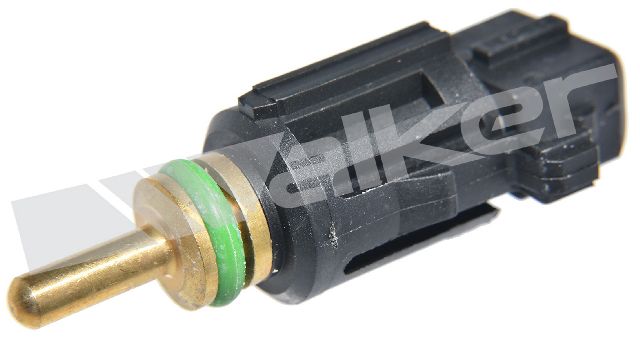
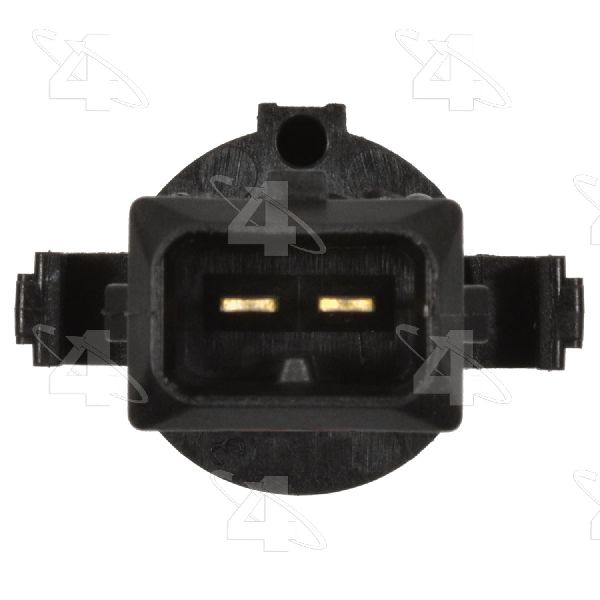
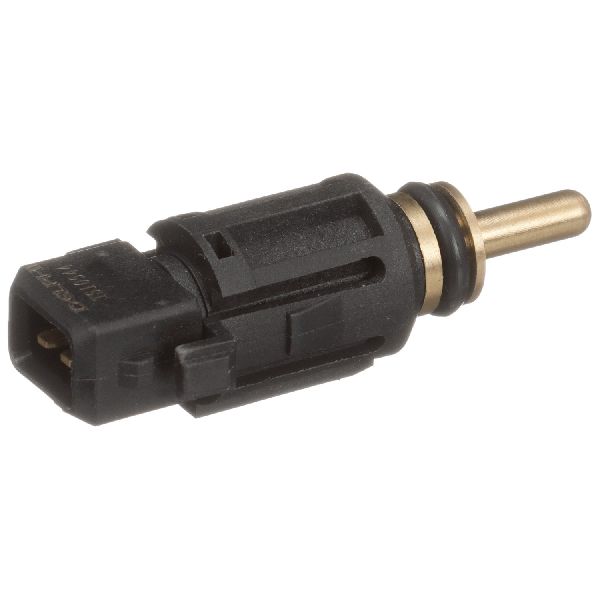
This is a 2-pin sensor that functions as a thermistor. The primary sensor for the 2004-2006 760i is located in the lower radiator hose.
We Have This Part in Stock


The information in this article is provided for general reference and educational purposes only. Vehicle specifications, procedures, and part compatibility can vary by production date, trim level, and region. Always consult your vehicle's factory service manual and verify part numbers before purchasing or performing repairs. Safety-critical components such as airbags, seat belts, and braking systems should be installed by a qualified professional.
- BMW 760i: