

Lexus ES330 Engine Coolant Temperature Sensor Guide (2004-2006)
Address poor fuel economy and rough idling in your ES330 by understanding and replacing its engine coolant temperature sensor.
- A bad ECT sensor on your ES330 will likely trigger a Check Engine Light with codes like P0117 or P0128.
- Symptoms directly impact drivability, including poor fuel economy, rough idle, and potential overheating.
- Replacement is simple, low-cost, and feasible for most DIYers with basic tools.
- Choose top-tier aftermarket brands like NGK, Delphi, or Beck Arnley for OEM-like quality without the OEM price.
Is a Bad Coolant Temperature Sensor a Problem on the ES330?

A failing Engine Coolant Temperature (ECT) sensor can cause noticeable issues with your Lexus ES330's performance. When the sensor sends incorrect information to the engine's computer, it can lead to a range of problems from annoying to potentially serious. Common symptoms include a Check Engine Light, poor fuel mileage, rough idling, and in some cases, engine overheating or black smoke from the exhaust. Forum discussions among Lexus owners confirm that a bad sensor can trigger Check Engine and VSC lights with codes like P0117, P0118, or P0128. Fortunately, this is a relatively inexpensive and straightforward part to replace.
Don't Confuse the Sensor with the Thermostat
While they work together, the ECT sensor and the engine thermostat are different parts. A P0128 code, for example, means the engine isn't warming up as expected. This is most often caused by a thermostat that is stuck open, but it can sometimes be a faulty sensor. If you have a P0128 code, it's wise to inspect the thermostat first, as it's the more common failure point for that specific code.
🎬 Watch: Step-by-step guide to replacing the ES330 thermostat.Choosing the Right Aftermarket ECT Sensor for Your Lexus

While a genuine Lexus OEM sensor is always a safe choice, high-quality aftermarket parts can offer excellent performance and value. For a critical sensor like the ECT, it's best to stick with reputable brands. Based on owner feedback and mechanic consensus, aftermarket brands can be grouped into tiers.
- Top-Tier Aftermarket (OEM-Equivalent): Brands like NGK (NTK) and Delphi are often original equipment suppliers for many car manufacturers, including Japanese brands. Beck Arnley is also well-regarded for sourcing parts from the original manufacturers. These brands are your best bet for a reliable, long-lasting replacement that performs like the original.
- Reputable Mid-Tier: Brands like Standard Ignition (SMP) and Hella generally have a solid reputation and provide a good balance of quality and price. They are a dependable choice for most repairs.
- Value-Oriented: Brands like Four Seasons, URO Parts, and Global Parts are typically more budget-friendly. While they can be a good option if cost is the primary concern, their long-term durability and sensor accuracy may not match the higher-tier brands.
Pro Tip: Check the Connector
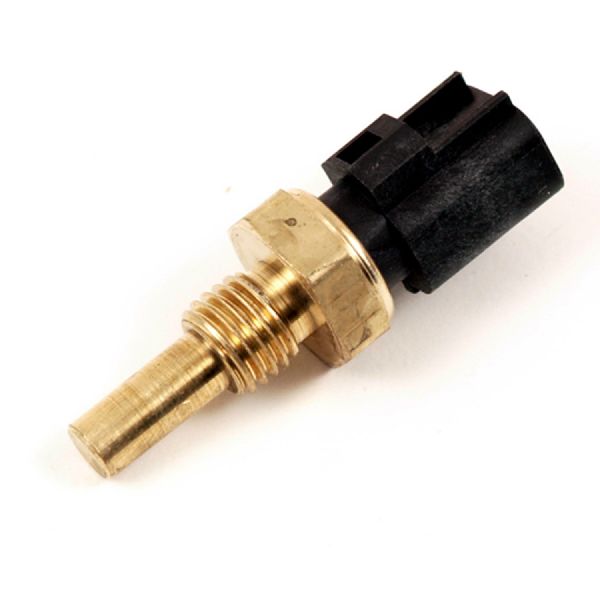
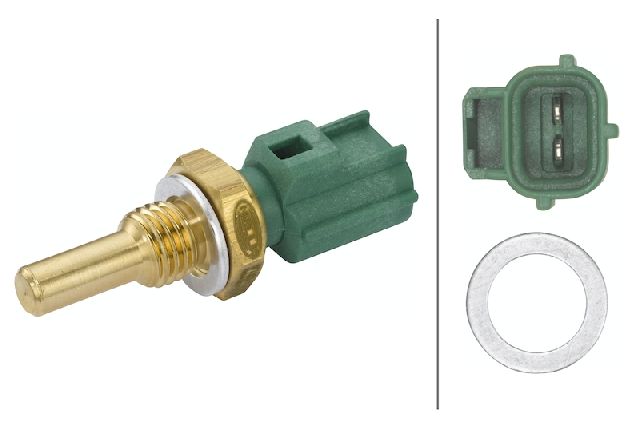
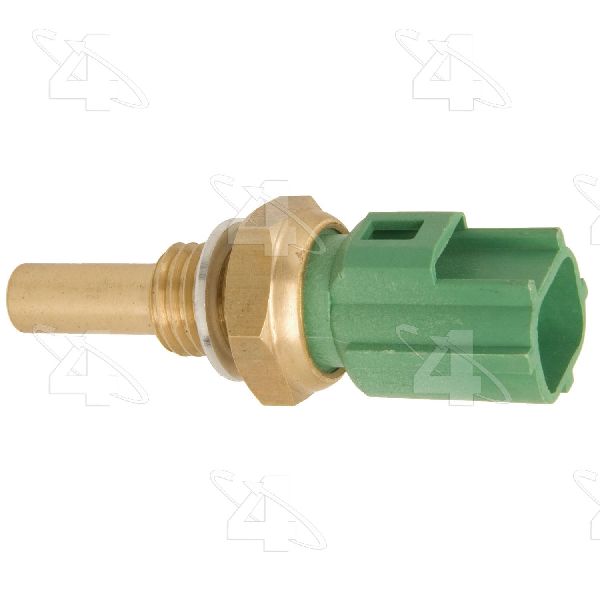
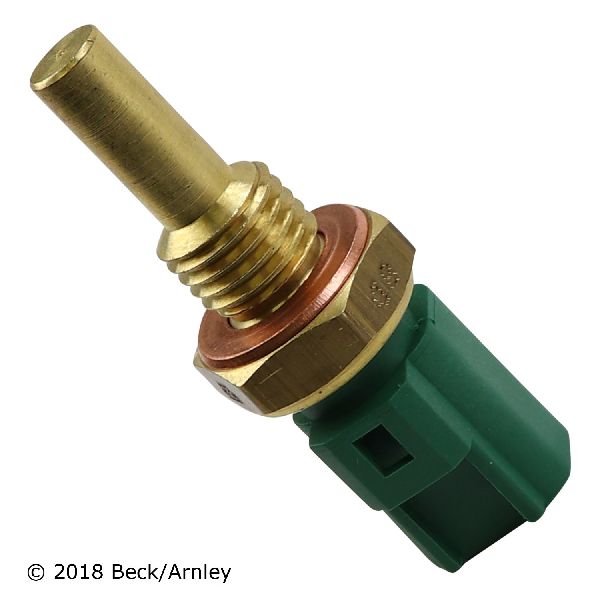
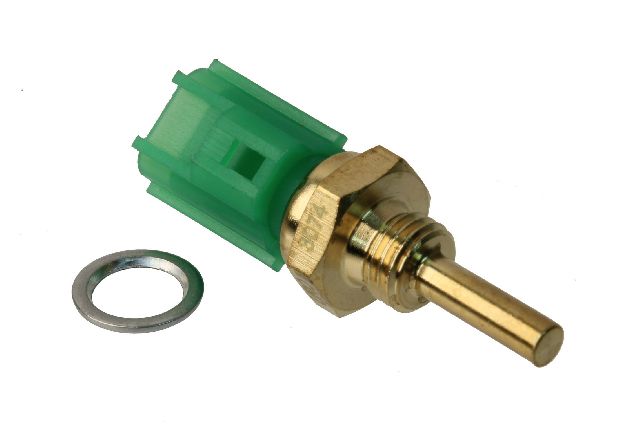
The 2004-2006 Lexus ES330 uses a 2-terminal blade-style connector for the ECT sensor. Always visually match your new sensor to the old one before installation to ensure the connector type and thread size are correct. The correct sensor has M16 threads.
Cost to Replace the ES330 Coolant Temperature Sensor
Replacing the ECT sensor is an affordable repair, especially if you do it yourself. The part itself is not expensive, and labor time is minimal.
| Part/Service | Estimated Cost |
|---|---|
| New OEM Lexus Sensor | $70 - $100 |
| New Aftermarket Sensor | $11 - $48 |
| Shop Labor | $110 - $161 |
| Total Professional Replacement | $121 - $209 (Aftermarket) / $180 - $261 (OEM) |
Frequently Asked Questions

Where is the engine coolant temperature sensor located on the 2004-2006 ES330?
The main ECT sensor that provides data to the ECM is located on the engine block. For the 3.3L 3MZ-FE engine in your ES330, you can find it by following the upper radiator hose to where it connects to the engine's water inlet housing. The sensor is threaded into this housing. 🎬 See this walkthrough for replacing the sensor on the 3.3L engine. Some vehicles have a second sensor or switch for the radiator fans, but the one near the thermostat housing is the primary one for the engine computer.
Can I replace the ES330 coolant temperature sensor myself?
Yes, this is a very DIY-friendly job for most home mechanics. It typically takes less than an hour. You will need a deep socket (usually 19mm or 3/4 inch) to remove the old sensor. It's best to perform the replacement when the engine is cold to avoid burns and minimize coolant loss. Some coolant will spill when you remove the sensor, so have a rag ready and be prepared to top off the coolant afterward.
🎬 Watch: How to test and replace a faulty coolant temperature sensor.What happens if I don't replace a bad ECT sensor?
Driving with a bad ECT sensor can lead to persistently poor fuel economy, rough engine performance, and failed emissions tests. The engine computer goes into a 'fail-safe' mode, often assuming a default temperature like 176°F (80°C), which is inefficient for both cold starts and normal operation. In rare cases, a sensor that incorrectly signals a cold engine could prevent the cooling fans from turning on, leading to overheating.
Is an OEM sensor from Lexus better than aftermarket?
The OEM sensor is guaranteed to meet Lexus's specifications for accuracy and durability. However, top-tier aftermarket brands like NGK/NTK or Delphi often manufacture the original parts for Toyota/Lexus and offer the same quality at a lower price. For a simple but critical part like this, a high-quality aftermarket sensor is a very reliable and cost-effective choice.
Helpful Videos

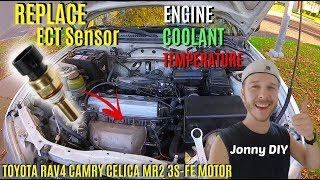
Technical Specifications
OEM Part Numbers: 89422-33030 89422-20010 89422-35010
Connector: 2-Pin Blade, Thread Size: M16
We Have This Part in Stock


The information in this article is provided for general reference and educational purposes only. Vehicle specifications, procedures, and part compatibility can vary by production date, trim level, and region. Always consult your vehicle's factory service manual and verify part numbers before purchasing or performing repairs. Safety-critical components such as airbags, seat belts, and braking systems should be installed by a qualified professional.
- Lexus ES330:
- 🎬 Helpful Videos
- 🛍️ Shop This Part
- Is a Bad Coolant Temperature Sensor a Problem on the ES330?
- Don't Confuse the Sensor with the Thermostat
- Choosing the Right Aftermarket ECT Sensor for Your Lexus
- Pro Tip: Check the Connector
- Cost to Replace the ES330 Coolant Temperature Sensor
- Frequently Asked Questions
- 🎟️ Get 5% Off