

Lexus ES330 (2004-2006) Radiator Coolant Hose Reference
Keep your ES330's 3.3L V6 engine safe by understanding when and how to replace its aging radiator hoses.
- Radiator hose failure on the ES330 is common due to age; inspect hoses for cracks, swelling, or softness.
- Driving with a bad hose can cause severe engine damage from overheating. Do not ignore symptoms.
- Quality aftermarket brands like Gates or Continental are cost-effective and reliable alternatives to OEM hoses.
- For a complete repair, replace both upper and lower hoses, the thermostat, and radiator cap at the same time.
Is Your ES330 Radiator Hose Failing?
For a car approaching 20 years old, the original rubber radiator hoses are living on borrowed time. Heat, pressure, and age cause the rubber to break down. It's not a matter of if they will fail, but when. Ignoring the signs can lead to an overheated engine, leaving you stranded and facing expensive repairs like a blown head gasket. Catching a bad hose early is a simple, affordable repair that protects your engine.
Common Symptoms of a Failing Radiator Hose
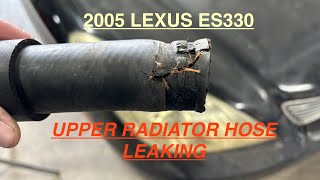
- Coolant Leaks: Puddles of pink or red, sweet-smelling fluid under the front of your car are a dead giveaway. Sometimes leaks are slow and leave a crusty pink residue around the hose connections.
- Spongy or Swollen Hose: When you squeeze the hoses (when the engine is cool!), they should be firm. If a hose feels soft, mushy, or swollen, it's deteriorating from the inside out and could burst.
- Visible Damage: Look for cracks, splits, or bulging areas on the hose. Pay close attention to where the hose connects to the engine and radiator.
- Engine Overheating: If your temperature gauge suddenly climbs into the red, a failed radiator hose is a very common cause.
- Low Coolant Light: A constant need to top off your coolant reservoir indicates a leak somewhere in the system, and the hoses are a primary suspect.
Choosing the Right Aftermarket Hose: OEM vs. Aftermarket
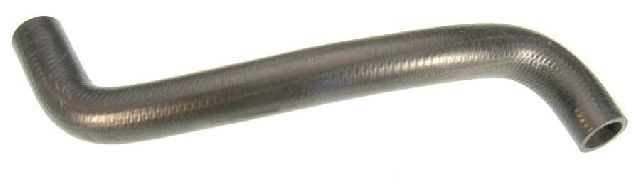
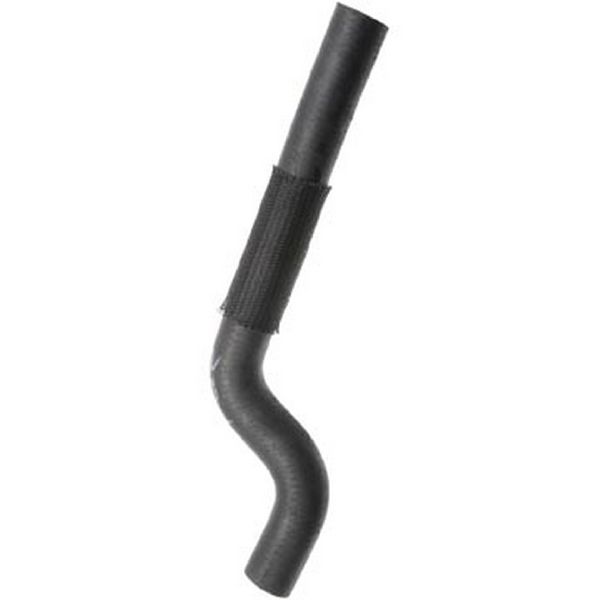
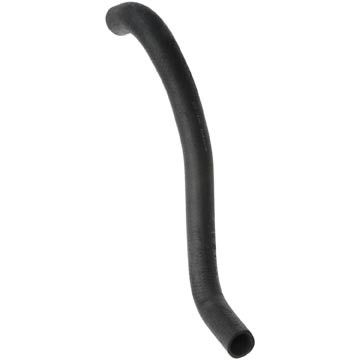
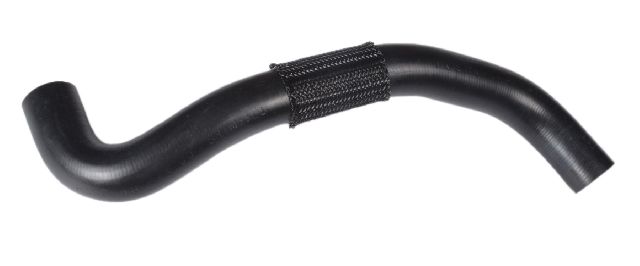
When replacing radiator hoses on your ES330, you have two main choices: Original Equipment Manufacturer (OEM) parts from Lexus or aftermarket parts from brands like Gates, Dayco, and Continental. For a simple component like a radiator hose, a quality aftermarket part offers excellent value and reliability. Brands like Gates and Continental are known for making parts that often meet or exceed OEM specifications. Forum discussions among vehicle owners often show a preference for Gates due to consistent fit and quality, though Dayco and Continental are also considered reliable options. The key is to use a reputable brand, as fitment can sometimes be an issue with lesser-known aftermarket parts.
Pro Tip: While replacing one hose, it's highly recommended to replace both the upper and lower hoses at the same time. It's also a perfect time to inspect the smaller bypass hoses and replace the radiator cap and thermostat for a complete cooling system refresh.
Cost of Replacing Radiator Hoses on a 2004-2006 Lexus ES330
Replacing radiator hoses is a relatively inexpensive repair, especially if you do it yourself. The parts are affordable, and the job requires basic tools. Paying a professional will add labor costs but can provide peace of mind.
| Part/Service | Estimated Cost |
|---|---|
| New Aftermarket Hoses (Set of 2) | $26 - $37 |
| New OEM Hoses (Set of 2) | $65 - $80 |
| Shop Labor Cost | $110 - $161 |
| Total Professional Replacement (Aftermarket Parts) | $136 - $198 |
| Total Professional Replacement (OEM Parts) | $175 - $241 |
Note: Costs are estimates and can vary based on your location and the specific parts chosen. The provided aftermarket price range is $26.06 - $36.33.
Frequently Asked Questions (FAQ)
Are there any recalls for the 2004-2006 ES330 radiator hoses?
No, there are no specific recalls for the radiator hoses on this vehicle. There was a recall for the engine's crankshaft pulley on 2004 and 2005 models, but this is unrelated to the coolant hoses.
Should I use OEM Lexus coolant?
Yes, it is highly recommended to use Toyota/Lexus "Super Long Life" pink coolant. Using the correct coolant is essential for protecting the metals and plastics in your cooling system. While other universal coolants may claim to be compatible, using the OEM fluid guarantees the correct chemical composition for your vehicle.
How difficult is it to replace the radiator hoses myself?
For a DIYer with some experience, this is a straightforward job. It requires draining the coolant, using pliers to remove the old hose clamps, and fitting the new hoses. The most important steps are ensuring you properly bleed the air out of the cooling system after refilling it and safely handling the hot coolant. The difficulty is generally considered low, taking about 1-2 hours.
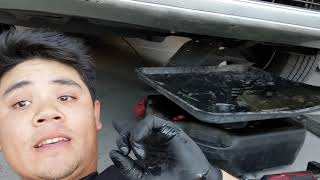
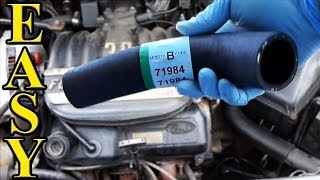
🎬 Watch how to replace both upper and lower radiator hoses.Upper vs. Lower Hose: Which fails more? 🎬 Watch this quick guide on replacing the upper radiator hose.
The upper radiator hose typically fails more often. It is exposed to the hottest coolant directly from the engine before it enters the radiator, leading to more stress and faster degradation of the rubber. Regardless, it is best practice to replace both hoses at the same time.
Helpful Videos
Technical Specifications
OEM Part Numbers: 16571-20060 16571-AA010 16572-20110 16572-AA030
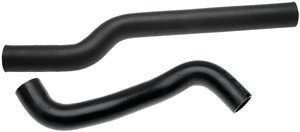
The 2004-2006 Lexus ES330 uses a 3.3L 3MZ-FE V6 engine. It requires one upper and one lower molded radiator hose. The hoses are typically made of EPDM rubber to resist heat and ozone. The inside diameter for both ends of the main hoses is approximately 1-5/16 inches (33mm).
We Have This Part in Stock

The information in this article is provided for general reference and educational purposes only. Vehicle specifications, procedures, and part compatibility can vary by production date, trim level, and region. Always consult your vehicle's factory service manual and verify part numbers before purchasing or performing repairs. Safety-critical components such as airbags, seat belts, and braking systems should be installed by a qualified professional.
- Lexus ES330: