

Lexus RX330 (2004-2006) Engine Coolant Temperature Sensor Guide
Understanding the key sensor that protects your RX330's engine from serious damage.
- A failing ECT sensor will usually trigger a Check Engine Light with codes like P0117, P0118, or P0128.
- Symptoms include poor fuel economy, black smoke, rough idle, and potential engine overheating.
- Replacement is a simple DIY task located near the upper radiator hose connection, accessible after removing the air filter housing.
- For best results, choose the OEM part (89422-33030) or a premium aftermarket brand like Denso, NGK, or Delphi.
Is a Failing Coolant Temp Sensor a Problem?
Yes, a bad Engine Coolant Temperature (ECT) sensor can cause significant issues for your Lexus RX330. When it fails, the engine's computer receives incorrect information. This can lead to poor engine performance, reduced fuel economy, and even engine overheating, which could result in severe damage. If the computer gets a false 'cold' signal, it will inject too much fuel, causing rich running conditions. If it gets a false 'hot' signal, the cooling fans may run constantly or not at all when needed.
Symptoms of a Bad ECT Sensor in an RX330
Look out for these common signs of a failing sensor:
- Check Engine Light: The most common indicator, often with codes like P0115, P0117, P0118, or P0128.
- Poor Fuel Economy: If the sensor incorrectly tells the computer the engine is cold, it will use more fuel than necessary.
- Engine Overheating: A faulty sensor might not trigger the cooling fans, leading to overheating.
- Black Smoke from Exhaust: This happens when the engine runs too rich because the computer thinks the engine is cold and injects extra fuel.
- Hard Starting: The wrong fuel mixture can make it difficult to start the engine, especially when it's hot or cold.
- Rough Idle: An incorrect air-fuel mixture can cause the engine to idle poorly.
Known Issues & Recalls
While there are no specific recalls or Technical Service Bulletins (TSBs) for the Engine Coolant Temperature Sensor on the 2004-2006 Lexus RX330, there were recalls for other engine-related components like the crankshaft pulley and for issues with the brake master cylinder. Always ensure any open recalls on your vehicle have been addressed by a dealer.
Choosing an Aftermarket ECT Sensor: OEM vs. Aftermarket
For a critical sensor like the ECT, quality matters. The original sensor in your Lexus is high-quality, likely made by Denso, a subsidiary of Toyota.
- OEM (Original Equipment Manufacturer): The genuine Lexus part (Part No. 89422-33030) offers guaranteed fit and performance but is the most expensive option.
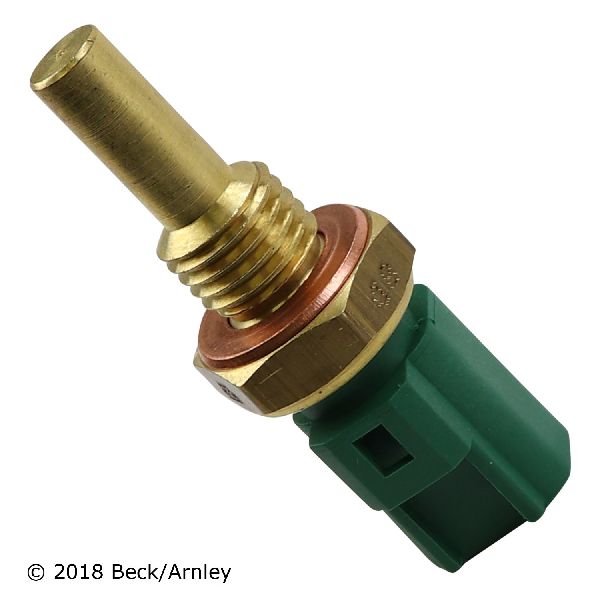
- Premium Aftermarket (e.g., NGK, Delphi, Beck Arnley): These brands are known for producing OE-quality parts. They are a reliable and more affordable alternative to the dealer part. Delphi has a long OE history, and Beck/Arnley focuses on sourcing parts that match OE specifications.
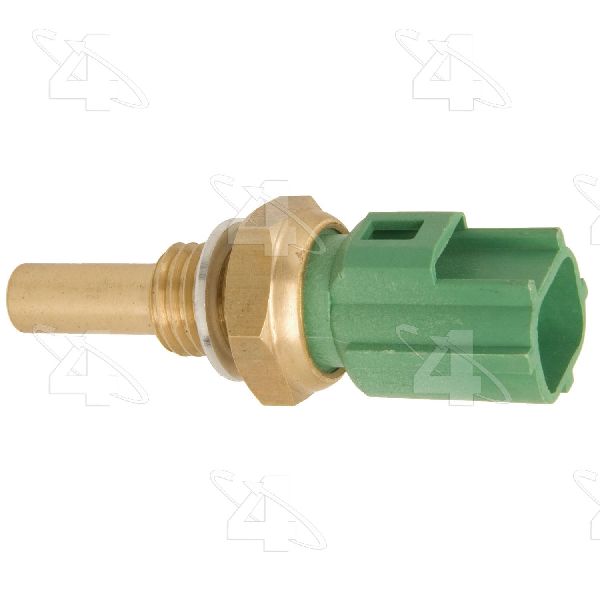
- Standard Aftermarket (e.g., Four Seasons, Standard Ignition): These brands offer a budget-friendly solution. While generally reliable for this component, they may not have the same longevity or precise calibration as premium brands or OEM.
Pro Tip: For a Lexus, sticking with a premium aftermarket brand like NGK, Delphi, or even a Denso-branded aftermarket part often provides the best balance of quality and price without sacrificing reliability.
Cost of Replacing the RX330 ECT Sensor
The cost depends on whether you do it yourself or go to a shop. The part itself is inexpensive.
| Item | Cost Range |
|---|---|
| New OEM Part | $72 - $98 |
| New Aftermarket Part | $11 - $48 |
| Shop Labor | $100 - $200 (estimate) |
| Total Professional Replacement | $111 - $298 (estimate) |
Note: The RepairPal estimate of $553-$707 seems unusually high for this specific repair and may include other services or diagnostics. The labor for this specific sensor replacement is typically low.
Frequently Asked Questions
Where is the ECT sensor located on the 2004-2006 Lexus RX330?
On the 3.3L V6 (3MZ-FE) engine, the ECT sensor is located on the water outlet casting, near where the upper radiator hose connects to the engine block. You will likely need to remove the air filter housing to access it.
Can I replace the ECT sensor myself?
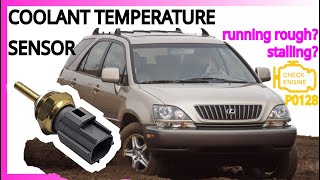
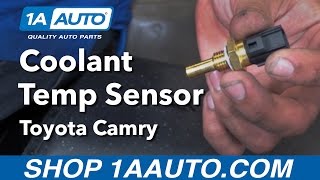
Yes, this is a DIY-friendly job for someone with basic tools. The process involves partially draining the coolant, disconnecting the electrical connector, and unscrewing the old sensor. You'll need a deep socket wrench. 🎬 Watch: How to replace the coolant sensor on a Lexus RX. Be sure to have some fresh coolant to top off the system afterward.
What do the error codes mean? 🎬 Watch: A detailed diagnosis and explanation of P0117 and P0118 codes.
P0117 (Circuit Low Input): This usually means the sensor is shorted or has failed, telling the computer the engine is extremely hot. P0118 (Circuit High Input): This often means the sensor is disconnected or the circuit is open, telling the computer the engine is extremely cold (-40°F). P0128 (Coolant Thermostat): This code means the engine isn't reaching its normal operating temperature quickly enough, which can be caused by a faulty thermostat or a faulty ECT sensor.
Should I replace the thermostat at the same time? 🎬 See this walkthrough for replacing the thermostat on an RX330.
If your car has high mileage or you are getting a P0128 code, it is a good idea to replace the thermostat while you are working on the cooling system. The thermostat is another low-cost part that is critical for engine temperature regulation.
Helpful Videos

Technical Specifications
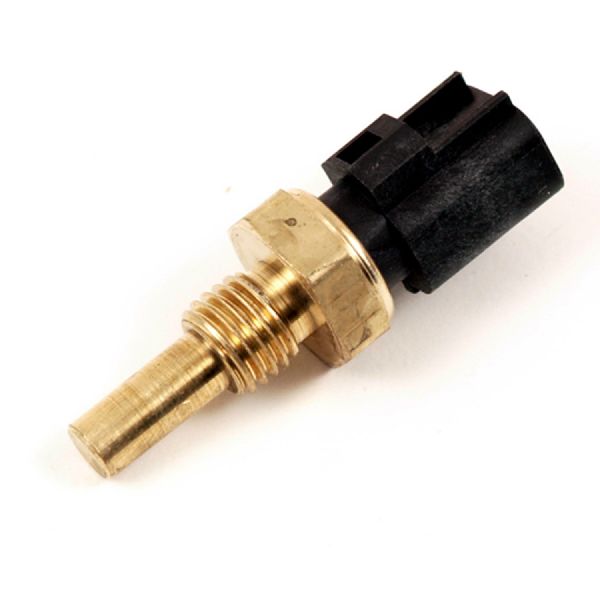
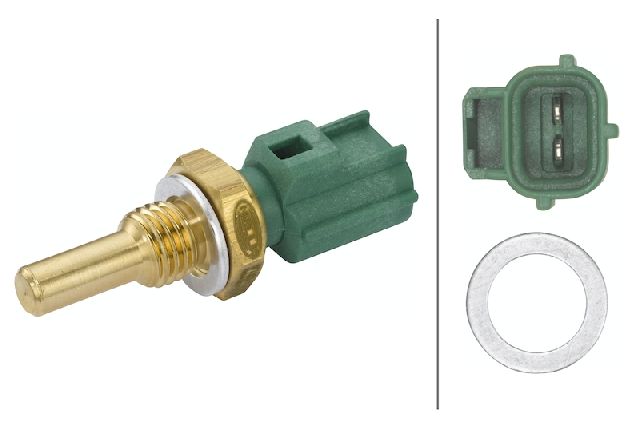
OEM Part Numbers: 89422-33030 89422-35010
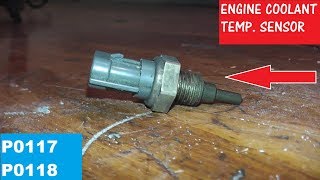
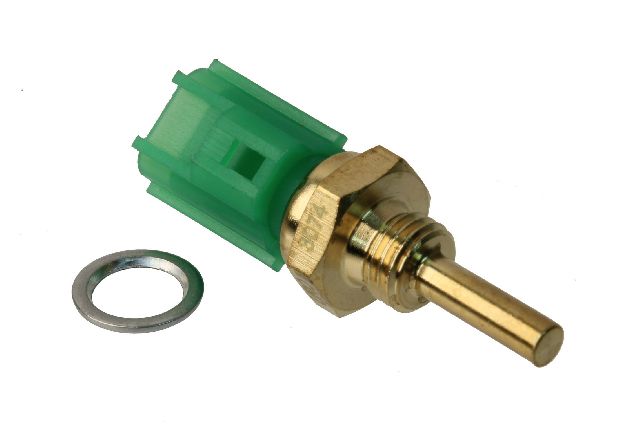
2-pin blade terminal connector. Typically brass and plastic construction. Located on the engine's water outlet housing.
We Have This Part in Stock


The information in this article is provided for general reference and educational purposes only. Vehicle specifications, procedures, and part compatibility can vary by production date, trim level, and region. Always consult your vehicle's factory service manual and verify part numbers before purchasing or performing repairs. Safety-critical components such as airbags, seat belts, and braking systems should be installed by a qualified professional.
- Lexus RX330: