

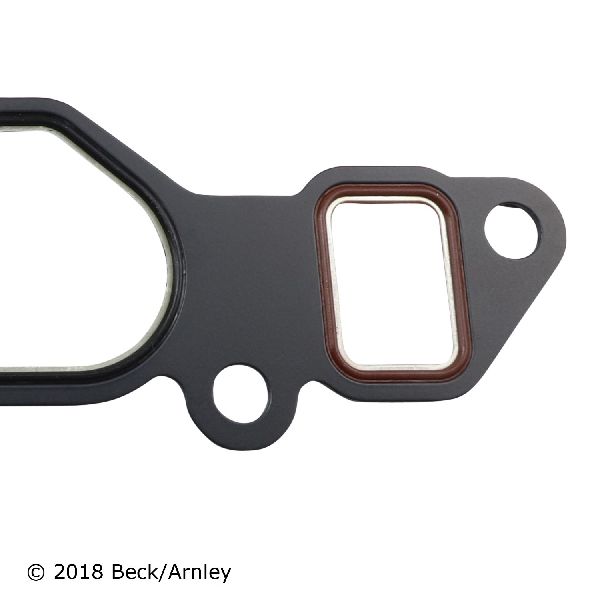
Engine Intake Manifold Gasket Set for the 2004-2006 Lexus RX330
Addressing a failing intake manifold gasket set is key to maintaining your RX330's engine health and performance.
- The most common sign of failure is a Check Engine Light with lean codes P0171 and P0174.
- A vacuum leak is the primary problem, leading to rough idle, poor acceleration, and reduced fuel economy.
- While the gaskets are the likely culprit, other issues like a torn intake hose or faulty PCV valve can cause the same symptoms; diagnosis is key.
- This repair is a good opportunity to replace the hard-to-reach rear spark plugs.
Is Your RX330 Showing Signs of a Bad Intake Manifold Gasket?
Over time, the intake manifold gaskets on the 2004-2006 Lexus RX330 can become hard and brittle, leading to cracks and an improper seal. This allows extra air to sneak into the engine where it isn't measured by the mass airflow sensor. This unmetered air throws off the engine's computer, which can lead to a variety of noticeable problems.
Key Symptoms of Failure:
- Check Engine Light: This is often the first sign. You will likely see lean codes like P0171 (Bank 1) and P0174 (Bank 2), as the engine's oxygen sensors detect too much oxygen in the exhaust.
- Rough Idle: The engine may vibrate or run unevenly when stopped, as the unmetered air makes the air-fuel mixture unstable.
- Reduced Engine Performance & Poor Acceleration: Your RX330 may feel sluggish or hesitant when you press the gas pedal.
- Decreased Fuel Economy: When the engine computer tries to compensate for the lean condition, it may inject more fuel than necessary, hurting your gas mileage.
- Hissing or Whistling Noises: You might hear a distinct sucking or hissing sound from the engine bay, which is the sound of air being pulled through the bad gasket seal.
A Note on TSBs and Recalls
While there are no specific recalls for the intake manifold gaskets on the 2004-2006 RX330, Lexus did issue a Technical Service Bulletin (TSB) EG009-04 for some 2004 models. This TSB addresses a M.I.L. "ON" condition with lean codes P0171 and P0174, but points to a potential vacuum leak from the Intake Air Control Valve, not the manifold gaskets themselves. It's important to properly diagnose the source of the vacuum leak before replacing parts. There was also a recall for the crankshaft pulley on these models, but it is unrelated to the intake gaskets.
Choosing the Right Aftermarket Gasket Set
When replacing the intake manifold gaskets, you have a choice between OEM (Original Equipment Manufacturer) and aftermarket parts. For a vehicle of this age, a quality aftermarket set can offer a good balance of performance and value.
Brand Considerations:
- Beck Arnley: Often considered a high-quality aftermarket brand. They are known for sourcing parts from various suppliers, sometimes even the original OEM manufacturer, and packaging them under their own name. Forum discussions show that users often have good experiences with Beck Arnley gaskets, noting they are sometimes made in Japan, similar to OEM parts. However, one user on Reddit reported a premature failure of a Beck Arnley lower intake gasket on an RX330, where the material began separating after only 1,000 miles.
- Reinz (Victor Reinz): A well-respected gasket manufacturer, particularly for European vehicles, but they produce quality gaskets for many makes. They are generally considered a reliable choice and are often compared favorably to Fel-Pro and OEM.
- Victor Gaskets: This is another established brand in the gasket industry. While less frequently mentioned in Lexus-specific forums compared to the others, they are a known quantity in the repair world.
Pro Tip: While the gaskets themselves are the main component, the job requires removing the upper intake manifold. This is an excellent time to replace the rear spark plugs, which are otherwise very difficult to access. You might also consider cleaning the throttle body and replacing the PCV valve while you have everything apart.
Cost of Intake Manifold Gasket Replacement
| Part or Service | Estimated Cost |
|---|---|
| New OEM Gasket Set | $55 - $100+ |
| New Aftermarket Gasket Set | $58 - $148 |
| Shop Labor | $256 - $376 |
| Total Professional Replacement | $549 - $670 |
Frequently Asked Questions (FAQ)
Can I drive my RX330 with a bad intake manifold gasket?
It is not recommended. While the car may still run, the lean air-fuel mixture can cause poor performance, potential engine damage over time, and will prevent the vehicle from passing an emissions test. It's best to get it repaired promptly.
Is this a DIY-friendly job?
For an experienced DIY mechanic, yes. The process involves removing the upper intake manifold (plenum) to access both the upper and lower gaskets. It requires careful labeling of bolts and hoses. If you are not comfortable with this level of engine work, it is best left to a professional.
Do I need to use sealant on the new gaskets?
Generally, no. Modern gaskets like those used on the RX330 are designed to be installed dry. Using RTV sealant where it's not specified can actually cause the gasket to slip or fail prematurely. Always follow the instructions included with your specific gasket set.
My engine is throwing lean codes (P0171/P0174). Is it definitely the intake gasket?
Not necessarily. While a leaking intake manifold gasket is a very common cause for these codes on the RX330, other issues can also be the culprit. These include a torn air intake hose, a faulty mass airflow (MAF) sensor, a bad PCV valve, or a leak in the Intake Air Control Valve. A proper diagnosis, often with a smoke test to find the vacuum leak, is the best way to confirm the problem.
Technical Specifications
OEM Part Numbers: 17177-20020 17178-20020 17176-20020
This is a set of gaskets for the 3.3L 3MZ-FE V6 engine. It includes the lower intake manifold to cylinder head gaskets (one for each bank) and the upper intake manifold (plenum) gasket.
We Have This Part in Stock


The information in this article is provided for general reference and educational purposes only. Vehicle specifications, procedures, and part compatibility can vary by production date, trim level, and region. Always consult your vehicle's factory service manual and verify part numbers before purchasing or performing repairs. Safety-critical components such as airbags, seat belts, and braking systems should be installed by a qualified professional.
- Lexus RX330: