

Pontiac GTO 2004-2006 Oxygen Sensor: A Complete Guide
Everything a GTO owner needs to know about replacing faulty oxygen sensors to restore performance and fuel economy.
- Your GTO has four oxygen sensors; two upstream for fuel control and two downstream for catalyst monitoring.
- Stick with high-quality brands like ACDelco, Denso, NGK/NTK, or Bosch for reliable performance.
- A Check Engine Light, poor gas mileage, and rough idle are common symptoms of a bad O2 sensor.
- No recalls are active for this part; failures are due to normal wear and tear.
Understanding Oxygen Sensor Failure in Your GTO
The oxygen sensors in your Pontiac GTO operate in a harsh environment and will eventually wear out. Contaminants like oil, carbon, and silicone can shorten their lifespan. When a sensor fails, it can no longer send accurate information to your engine's computer. This can lead to a variety of performance issues and will almost always trigger the Check Engine Light. It's important to address a failing oxygen sensor to prevent poor gas mileage, increased emissions, and potential damage to your catalytic converters.
Symptoms of a Bad Oxygen Sensor
If you're experiencing any of these issues, a faulty oxygen sensor could be the culprit.
- Check Engine Light: This is the most common sign. A code scanner will often show codes related to O2 sensor performance or heater circuits (e.g., P0131, P0135, P0155, P0420).
- Poor Fuel Economy: An incorrect air-fuel mixture will cause your GTO to use more gas than necessary.
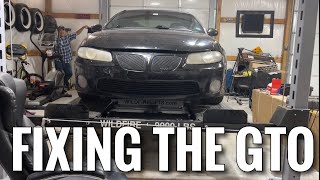
- Rough Idle or Misfires: The engine may run unevenly or stumble at idle or during acceleration. 🎬 Watch: Troubleshooting GTO oxygen sensors and other common engine issues.
- Failed Emissions Test: A bad O2 sensor is a common reason for failing a state emissions inspection.
A Note on P0420/P0430 Codes
The codes P0420 (Catalyst System Efficiency Below Threshold Bank 1) and P0430 (Bank 2) are frequently caused by failing catalytic converters. However, a bad downstream oxygen sensor can also trigger these codes. Because the sensors are less expensive than converters, it's often worth replacing the downstream sensor first to see if it resolves the issue, especially if the sensor is old.
Choosing the Right Aftermarket Oxygen Sensor
When it comes to engine management sensors, quality matters. For the GTO, using a reputable brand is key to avoiding future headaches. Cheap, no-name sensors are known to fail quickly or provide inaccurate readings, which can make troubleshooting difficult. Here’s a breakdown of trusted brands.
Tier 1: OEM & OEM-Equivalent
These brands are either the original equipment manufacturer (OEM) for General Motors or are widely regarded as having equivalent quality and performance. They are direct-fit and require no modifications.
- ACDelco: As the genuine GM parts brand, this is the direct replacement for your factory sensor.
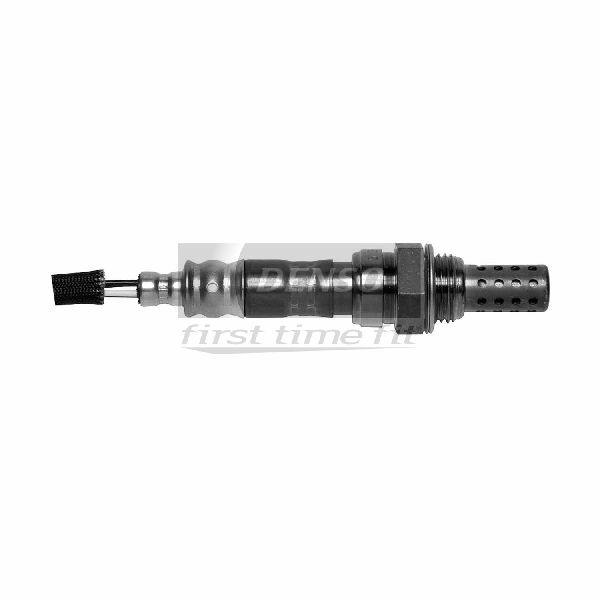
- Denso: A top-tier OEM supplier for many automakers, known for excellent quality and longevity. Denso sensors feature designs to protect against contamination.
- NGK / NTK: NTK is the sensor division of NGK. They are a world-leading manufacturer of OEM oxygen sensors and are highly recommended by mechanics.
- Bosch: Another major OEM supplier with a strong reputation for quality sensors that meet factory specifications.
Tier 2: Reputable Aftermarket
These brands offer a good balance of quality and value. They are a solid choice for owners looking for a reliable part without the premium price of an OEM sensor.
- Delphi: A former part of GM, Delphi has a long history of producing quality electronic components for their vehicles.
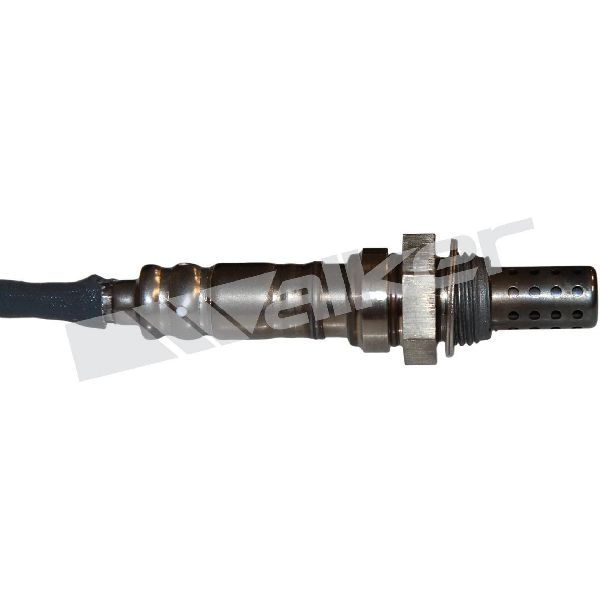
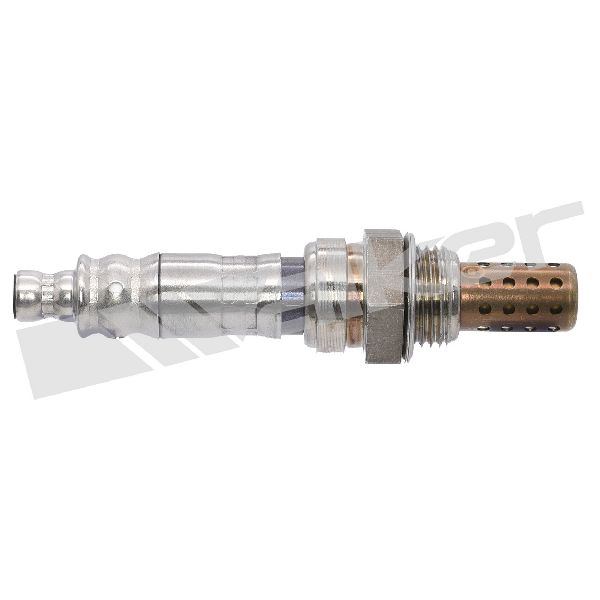
- Walker Products: A well-known name in the exhaust and emissions component industry.
Tier 3: Economy Brands
While more affordable, these brands may have a higher variance in quality and longevity. They can be a viable option for a budget repair, but may not offer the same long-term reliability as higher-tier brands.
- DriveWire, Hella, and other store brands.
Pro Tip: Replace in Pairs
Oxygen sensors on the same bank (e.g., both upstream sensors) tend to age at a similar rate. If one fails, the other may not be far behind. For balanced engine performance, it's often a good idea to replace them in pairs (both upstream or both downstream).
Cost of Replacement
The cost can vary based on the brand you choose and whether you do the work yourself. Your GTO has four sensors total.
| Part / Service | Estimated Cost |
|---|---|
| New OEM Sensor (ACDelco) | $55 - $80 per sensor |
| New Aftermarket Sensor (Tier 1) | $40 - $65 per sensor |
| Shop Labor (per pair) | $100 - $200 |
Frequently Asked Questions
How many oxygen sensors does a 2004-2006 GTO have?
All 2004-2006 Pontiac GTOs with the 5.7L or 6.0L V8 engine have four oxygen sensors. There are two upstream sensors (Bank 1 Sensor 1 and Bank 2 Sensor 1) located in the exhaust manifolds before the catalytic converters, and two downstream sensors (Bank 1 Sensor 2 and Bank 2 Sensor 2) located after the catalytic converters.
Is there a recall on GTO oxygen sensors?
No, there are no specific recalls or widespread Technical Service Bulletins (TSBs) from General Motors for oxygen sensor failure on the 2004-2006 Pontiac GTO. Failures are typically due to age and normal wear.
Can I replace just one oxygen sensor?
Yes, you can replace only the failed sensor. However, sensors degrade over time. If you replace one old, slow-responding sensor with a new, fast-responding one, it can sometimes cause the engine computer to receive unbalanced signals. For this reason, mechanics often recommend replacing sensors in pairs (e.g., both upstream sensors at the same time) to ensure balanced performance, especially on high-mileage vehicles.
What tools do I need to replace a GTO oxygen sensor?
The most important special tool is an oxygen sensor socket. This is a deep socket with a slit on the side to accommodate the sensor's wire. You will also need standard hand tools like ratchets and possibly penetrating oil to help loosen a sensor that is rusted into the exhaust pipe.
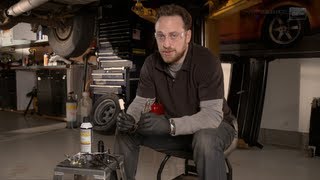
🎬 See this walkthrough on how to replace an oxygen sensor.What's the difference between upstream and downstream sensors?
Upstream sensors (also called front sensors or Sensor 1) are for fuel control. They measure the air-fuel ratio coming out of the engine, and the computer uses this information to make real-time adjustments. Downstream sensors (rear sensors or Sensor 2) are for catalyst monitoring. Their job is to confirm the catalytic converter is working correctly. While they look similar, they are not always interchangeable.
Helpful Videos
Technical Specifications
OEM Part Numbers: 12569429 (Position 1, Upstream/Front) 19209818 (Position 3, Downstream/Rear) 25327985 (Replaced by 19209818) 25361764 (Replaced by 19209818)
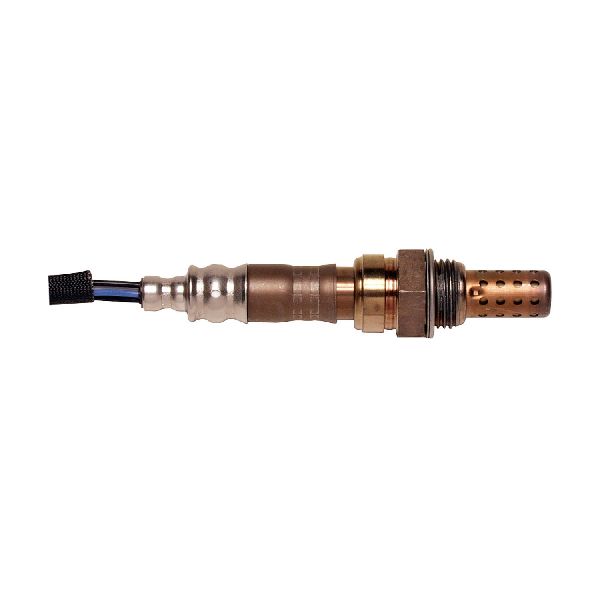
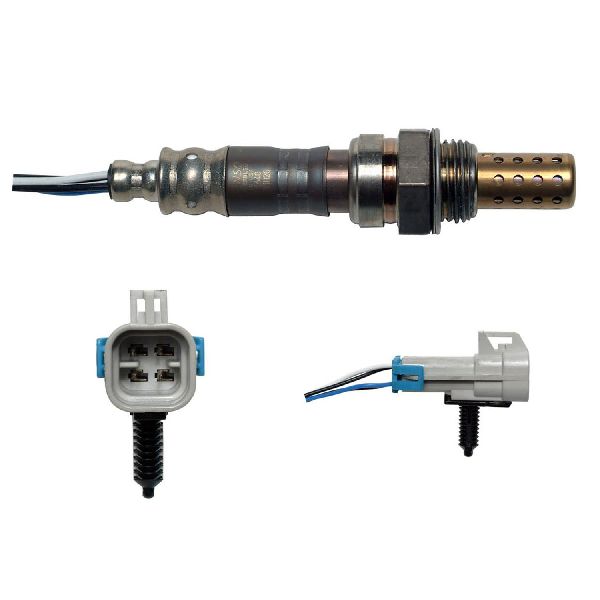
Your GTO uses four-wire, heated, narrow-band oxygen sensors. The upstream and downstream sensors have different length wires and connectors, so ensure you are purchasing the correct part for the specific location. All sensors have a threaded M18 mounting type.
We Have This Part in Stock

The information in this article is provided for general reference and educational purposes only. Vehicle specifications, procedures, and part compatibility can vary by production date, trim level, and region. Always consult your vehicle's factory service manual and verify part numbers before purchasing or performing repairs. Safety-critical components such as airbags, seat belts, and braking systems should be installed by a qualified professional.
- Pontiac GTO:
- 🎬 Helpful Videos
- 🛍️ Shop This Part
- Understanding Oxygen Sensor Failure in Your GTO
- Symptoms of a Bad Oxygen Sensor
- A Note on P0420/P0430 Codes
- Choosing the Right Aftermarket Oxygen Sensor
- Tier 1: OEM & OEM-Equivalent
- Tier 2: Reputable Aftermarket
- Tier 3: Economy Brands
- Pro Tip: Replace in Pairs
- Cost of Replacement
- Frequently Asked Questions
- 🎟️ Get 5% Off