

A Guide to the Automatic Transmission Oil Cooler for the 2004-2007 Buick Rainier
Everything you need to know about keeping your Rainier's transmission cool and avoiding costly repairs.
- The transmission cooler lines are the most common failure point on the 2004-2007 Buick Rainier, often due to rust.
- Always inspect and likely replace the cooler lines when replacing the cooler.
- A red fluid leak should be addressed immediately, as rapid fluid loss can quickly lead to catastrophic transmission failure.
- Upgrading to a heavy-duty cooler (like Derale) is a smart choice if you tow or live in a hot climate.
Is it the Cooler or the Cooler Lines?
For the 2004-2007 Buick Rainier and its platform mates like the Chevy Trailblazer, the most common point of failure is not the transmission cooler itself, but the metal lines that run to and from it. These lines are prone to rust and corrosion, especially in regions that use road salt in the winter. Water and debris can get trapped against the lines, causing them to rust through and leak transmission fluid. A leak can start small but can quickly become a major fluid loss, which can ruin a transmission. When shopping for a cooler, always inspect your existing lines for rust or leaks, as they will likely need to be replaced at the same time.
Symptoms of a Failing Transmission Cooler or Leaking Lines
A problem with your transmission cooling system will give you clear warning signs. Ignoring them can lead to very expensive transmission failure.
- Red Fluid Leaks: The most obvious sign is a puddle of reddish fluid under the front or middle of your vehicle. This indicates a transmission fluid leak.
- Transmission Overheating: Your vehicle may have a transmission temperature warning light, or you might notice the temperature gauge running high. An overheating transmission is a serious problem.
- Poor Shifting: You might experience delayed, rough, or slipping gears. When the fluid is low or too hot, it can't create the right pressure for smooth shifts.
- Burning Smell: A burning odor from under the hood can be a sign of overheating transmission fluid.
- Whining or Grinding Noises: Unusual noises when the vehicle is running or shifting can indicate a lack of lubrication from low fluid levels.
Choosing the Right Aftermarket Cooler
When replacing your transmission cooler, you have a few options. Your choice depends on your needs and how you use your Rainier.
| Brand Tier | Brands | Best For |
|---|---|---|
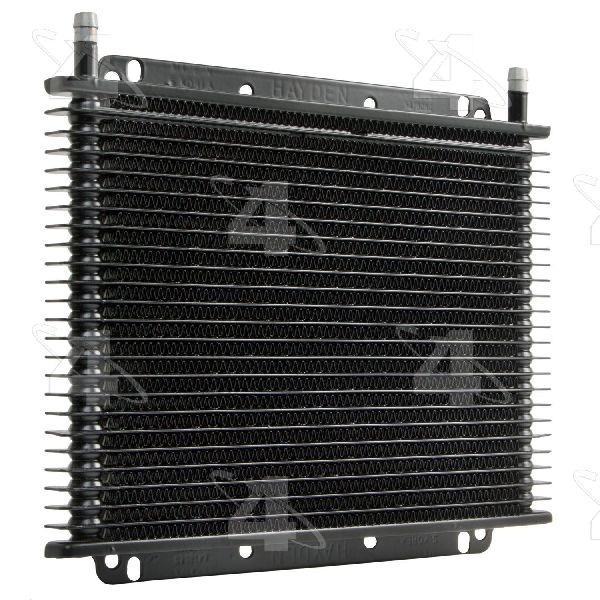
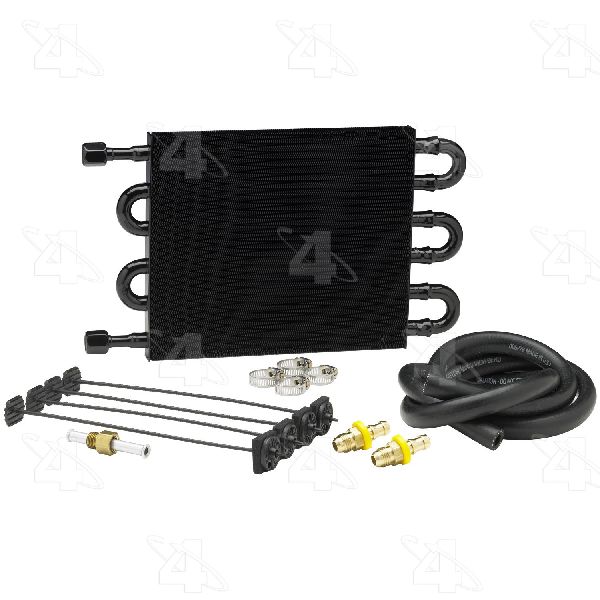
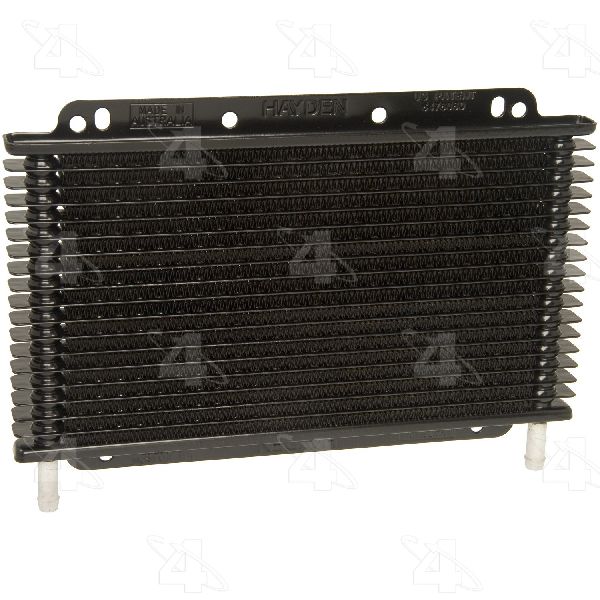
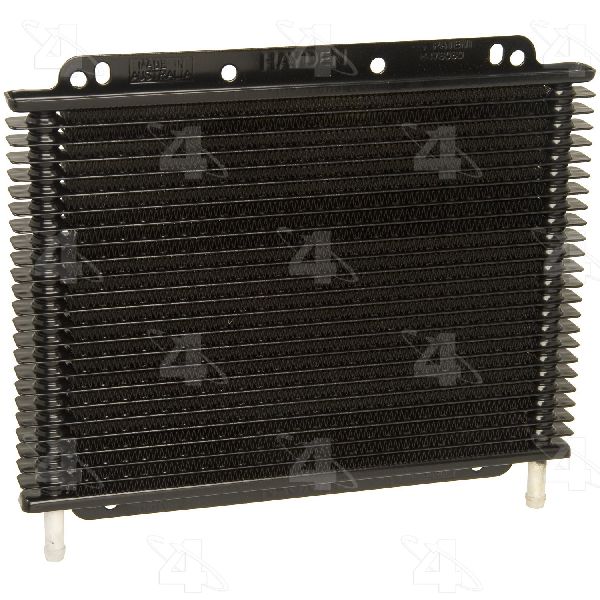
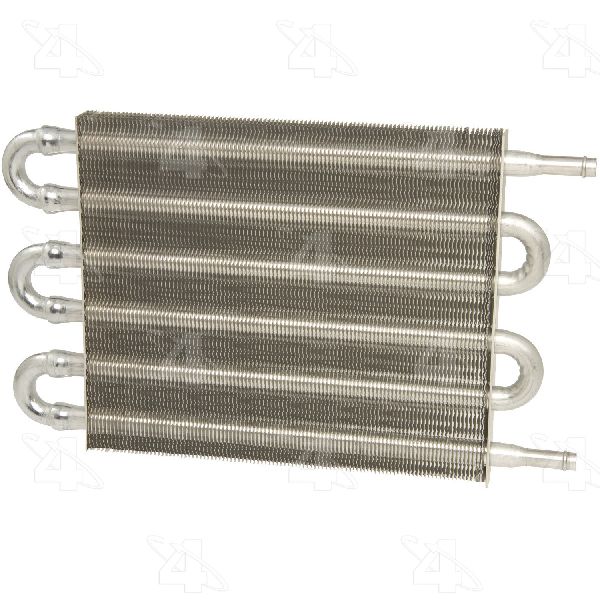
| Heavy-Duty / Upgrade | Derale | Owners who tow, haul heavy loads, or want maximum cooling performance. Derale coolers often use a stacked-plate design, which is more efficient at cooling than standard designs. |
| Standard Replacement | Hayden, Four Seasons | Everyday driving and direct replacement of the factory auxiliary cooler. These brands are known for reliable, OE-style parts that get the job done without modifications. |
Typical Replacement Costs
The cost to replace a transmission cooler or its lines can vary. The parts themselves are affordable, but labor can be significant due to difficult access.
| Part Type | Estimated Cost |
|---|---|
| New Aftermarket Cooler/Lines | $58 - $105 |
| Shop Labor | $160 - $240 |
| Total Estimated Cost | $218 - $345 |
Frequently Asked Questions
Should I replace my cooler lines at the same time as the cooler?
Yes. On the Buick Rainier, the lines are the most common failure point due to rust. Even if you are just replacing a damaged auxiliary cooler, it is highly recommended to replace the lines as a set to prevent future leaks.
Can I install a bigger, upgraded cooler on my Rainier?
Yes, you can. Installing a larger, more efficient stacked-plate cooler from a brand like Derale is a popular upgrade, especially for owners who tow or live in hot climates. It provides better protection against overheating.
Is a small transmission fluid leak a big deal?
Yes. A small leak will only get worse. The transmission system is under pressure, and a small leak can turn into a massive one without warning, potentially draining the fluid and destroying the transmission in a very short time. Address any leak immediately.
How difficult is it to replace the transmission cooler lines myself?
This is a moderately difficult job for a DIY mechanic. While the connections at the radiator are easy to access, the fittings at the transmission are in a very tight space and can be difficult to reach and disconnect, especially if they are corroded. Many videos show that cutting the old lines is the easiest way to remove them.
Technical Specifications
OEM Part Numbers: 15817514 1587500 15817501 15817515
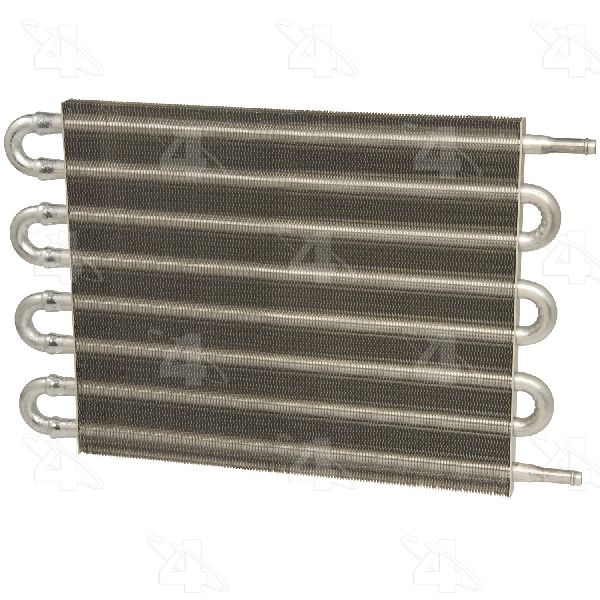
The system uses quick-disconnect fittings at the radiator and transmission. The lines are typically 3/8" in diameter. Aftermarket coolers are available in tube-and-fin or the more efficient stacked-plate design.
We Have This Part in Stock

The information in this article is provided for general reference and educational purposes only. Vehicle specifications, procedures, and part compatibility can vary by production date, trim level, and region. Always consult your vehicle's factory service manual and verify part numbers before purchasing or performing repairs. Safety-critical components such as airbags, seat belts, and braking systems should be installed by a qualified professional.
- Buick Rainier: