

Brake Master Cylinder Guide for the 2004-2007 Buick Rainier
Diagnose and fix a spongy, sinking brake pedal on your Buick Rainier.
- The most common symptom of failure is a spongy or sinking brake pedal, which is a critical safety issue.
- The new master cylinder MUST be bench bled before installation to ensure all air is removed.
- If the old part was leaking from the back, inspect the brake booster for fluid contamination; it may need replacement too.
- Choose a quality aftermarket brand like Raybestos or Centric for a reliable, long-lasting repair.
Is Your Buick Rainier's Brake Pedal Telling You Something?
The most common issue with the brake master cylinder on the 2004-2007 Buick Rainier is a change in how the brake pedal feels. Over time, the internal seals inside the cylinder wear out. When this happens, fluid can leak past the seals instead of building the pressure needed to stop the vehicle. This creates a dangerous situation that needs to be addressed immediately.
Top Symptoms of a Failing Master Cylinder
- Spongy or Soft Brake Pedal: This is the number one sign. The pedal feels mushy and lacks the firm resistance it should have.
- Sinking Brake Pedal: When you hold your foot on the brake pedal, it slowly sinks towards the floor. This indicates an internal leak.
- Brake Warning Light: A leak can cause the fluid level in the reservoir to drop, triggering the warning light on your dashboard.
- Fluid Leak at the Firewall: You may see brake fluid leaking where the master cylinder bolts to the brake booster. This fluid is very corrosive and can damage the booster, leading to a much more expensive repair.
Choosing the Right Aftermarket Master Cylinder
For the Buick Rainier, several aftermarket brands offer new master cylinders that meet or exceed original specifications. You do not necessarily need to buy an expensive OEM part to get a reliable repair. The key is to choose a quality brand and install it correctly.
Brand Quality Tiers
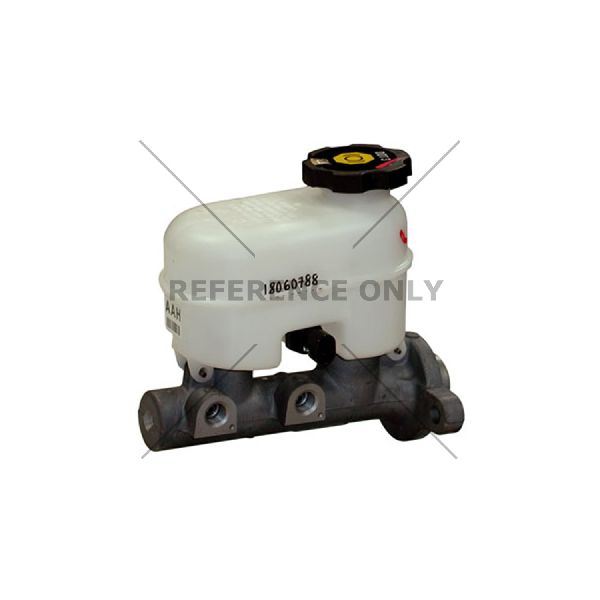
- Good Quality (Recommended): Raybestos, Centric. These brands have a solid reputation in the brake industry for producing parts that match OE form and function. They are a reliable choice for a daily driven Rainier.
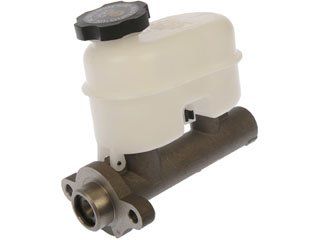
- Economy/Hit-or-Miss: Dorman, Replacement. Dorman is known for re-engineering parts, but their quality can be inconsistent for hydraulic components. "Replacement" branded parts are typically generic, budget-friendly options. While they may work, their long-term durability may be less than that of more established brands.
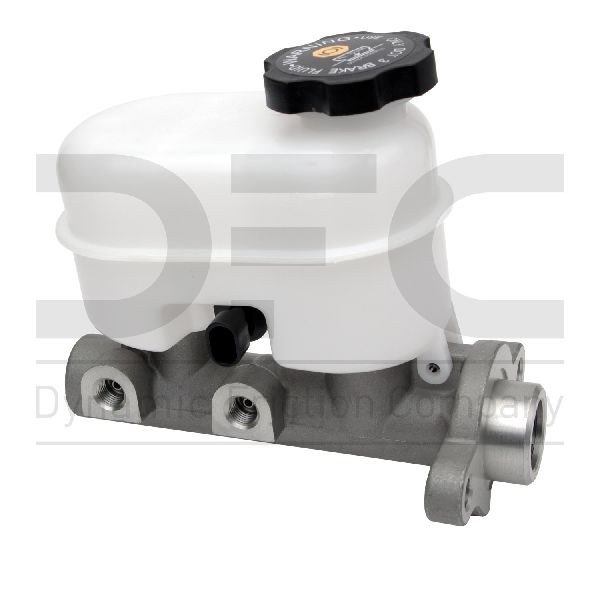
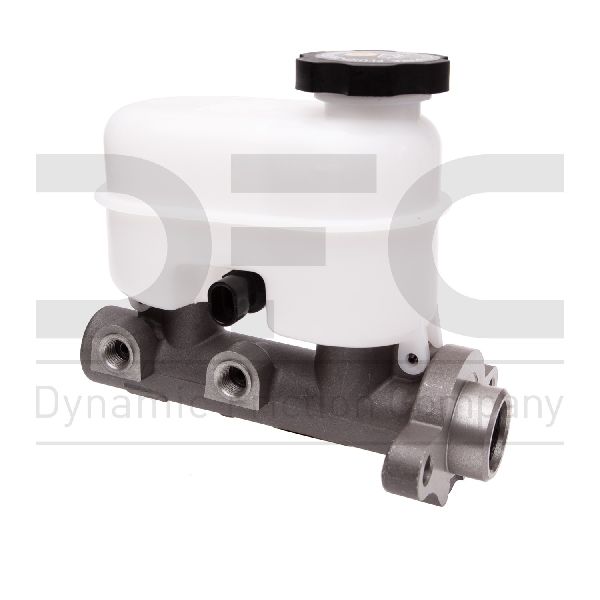
- Other Available Brands: Dynamic Friction. This is another known brake component manufacturer, offering a viable alternative.
Cost of Replacing the Brake Master Cylinder
The total cost will depend on whether you do the job yourself or take it to a shop. The part itself is affordable, but the labor involves bleeding the entire brake system.
| Item | Estimated Cost |
|---|---|
| New Aftermarket Master Cylinder | $94 - $134 |
| Shop Labor | $159 - $233 |
| Total Professional Replacement | $253 - $367 (plus taxes and fees) |
Note: Costs are estimates and can vary by location and repair shop. This does not include the potential cost of replacing a damaged brake booster.
Frequently Asked Questions (FAQ)
Are there any recalls on the Buick Rainier master cylinder?
No. There are no official NHTSA recalls for the original factory-installed brake master cylinder on the 2004-2007 Buick Rainier. There was a recall for a specific aftermarket Raybestos part in 2013, but this does not affect the vehicle's original parts.
Is it hard to replace the master cylinder myself?
For a DIY mechanic, this job is moderately difficult. While removing and installing the part is straightforward, the bleeding process can be tricky. You must bench bleed the new part correctly, and then bleed all four wheels in the correct sequence. An improper bleed will leave you with a spongy, unsafe pedal. If you are not comfortable with hydraulic brake work, it's best to leave this job to a professional.
Do I need a special master cylinder for my V8 Rainier?
No, the master cylinder is the same for both the 4.2L I6 and 5.3L V8 models of the 2004-2007 Buick Rainier. The key is ensuring the part is listed for your model year.
What kind of brake fluid should I use?
Always check your owner's manual or the cap on the master cylinder reservoir for the correct brake fluid type. Most vehicles of this era use DOT 3 brake fluid. Using the wrong type can damage the seals in the brake system.
Technical Specifications
The Buick Rainier shares its platform (GMT360) with the Chevy Trailblazer and GMC Envoy, so parts are often interchangeable. Always verify fitment for your specific vehicle year before purchasing. No special versions are required for V8 vs I6 engines.
We Have This Part in Stock

The information in this article is provided for general reference and educational purposes only. Vehicle specifications, procedures, and part compatibility can vary by production date, trim level, and region. Always consult your vehicle's factory service manual and verify part numbers before purchasing or performing repairs. Safety-critical components such as airbags, seat belts, and braking systems should be installed by a qualified professional.
- Buick Rainier: