

A Guide to Replacing Brake Calipers on the 2004-2007 Buick Rainier
Keep your Rainier's braking system safe and reliable by understanding when and how to replace a failing brake caliper.
- Always replace brake calipers in pairs on the same axle to ensure balanced braking.
- A sticking or seized caliper is a common failure mode; symptoms include pulling and uneven pad wear.
- Choose a caliper with a protective coating (from brands like Powerstop or Raybestos) for better corrosion resistance in harsh climates.
- Strongly consider replacing old rubber brake hoses at the same time as the calipers to prevent future issues.
Is Your Buick Rainier Showing Signs of a Bad Brake Caliper?
Brake calipers on the 2004-2007 Buick Rainier can wear out over time, leading to serious safety issues. Heat, moisture, and road salt cause internal seals to weaken and slide pins to seize. If you notice any of the following symptoms, it's time to inspect your calipers.
- Vehicle Pulling to One Side: When a caliper piston sticks or slide pins seize, it can cause the brake on that wheel to either not apply or stay applied. This makes the vehicle pull to the left or right when you brake.
- Spongy or Soft Brake Pedal: A failing seal can allow brake fluid to leak. This introduces air into the system, making the pedal feel soft or spongy and reducing stopping power.
- Uneven Brake Pad Wear: If you check your brake pads and notice one is worn down significantly more than the other on the same wheel, it's a classic sign of a stuck caliper slide or piston.
- Brake Fluid Leaks: Puddles of clear to brownish fluid near your wheels are a definite sign of a leaking caliper or brake hose. This is a critical failure that needs immediate attention.
- Squealing or Grinding Noises: While often caused by worn pads, persistent noise can also come from a caliper that isn't releasing properly, causing the pads to constantly rub against the rotor.
Choosing the Right Aftermarket Caliper for Your Rainier
For a vehicle like the 2004-2007 Rainier, aftermarket calipers offer the best balance of quality and value. Original equipment (OEM) calipers are expensive and often unnecessary for a vehicle of this age. Aftermarket brands provide new and remanufactured options that meet or exceed original specifications.
Pro Tip: Always replace calipers in pairs (both front or both rear) to ensure even braking performance and prevent pulling.
Aftermarket Brand Tiers
Not all aftermarket brands are the same. They generally fall into a few quality tiers:
- Premium (Powerstop, Raybestos Element3, ACDelco Professional New): These brands often feature brand-new castings (not remanufactured) and premium coatings that resist rust and corrosion, a major plus for vehicles in wet or snowy climates. Powerstop is known for performance-oriented kits, while Raybestos and ACDelco offer excellent new OE-quality replacements without a core charge.
- Standard / Remanufactured (Cardone, Centric, Dynamic Friction): These are the most common and affordable options. They are typically remanufactured OEM calipers that have been cleaned, inspected, and rebuilt with new seals, pistons, and hardware. Brands like Cardone and Centric are workhorse choices for daily driving. They usually require you to return your old caliper to get a "core charge" refunded.
- Economy (Store brands, various online sellers): While the price is low, quality can be inconsistent. These are best suited for those on a tight budget, but be aware that longevity might not match that of premium or standard brands.
Known Issues: Seized Slide Pins
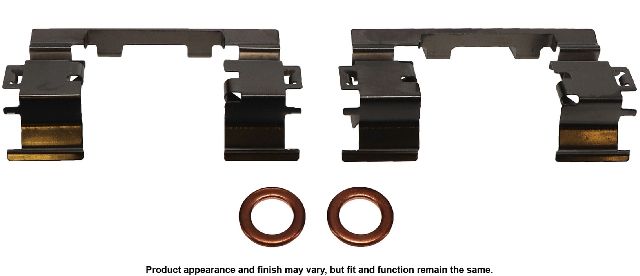
The GMT360 platform, which the Buick Rainier is built on, can be prone to brake caliper slide pins seizing due to corrosion. This prevents the caliper from moving freely, causing rapid and uneven brake pad wear. When replacing your calipers, it is essential to use the supplied high-temperature silicone lubricant on the new slide pins to ensure smooth operation.
New vs. Remanufactured Calipers
For your Rainier, you'll find both "new" and "remanufactured" calipers. A new caliper is made from 100% new components and castings. A remanufactured caliper uses the original factory casting (the main body) which is stripped, cleaned, and rebuilt with new seals, boots, and pistons. For most owners, a quality remanufactured caliper from a reputable brand like Cardone or Raybestos is a perfectly reliable and cost-effective choice. However, new calipers from brands like Powerstop or ACDelco's professional line offer peace of mind with fresh castings and often better protective coatings.
Estimated Costs for Caliper Replacement
| Part/Service | Estimated Cost Range |
|---|---|
| New Aftermarket Caliper (Single) | $51 - $182 |
| Remanufactured Caliper (Single) | $55 - $120 (plus core charge) |
| Shop Labor (Per Axle) | $110 - $350 |
Note: Costs are estimates and can vary by location and specific product chosen. Labor often includes replacing pads and rotors and bleeding the brake system.
Frequently Asked Questions
What's the difference between a "loaded" and "unloaded" caliper?
An unloaded or semi-loaded caliper is just the caliper itself, sometimes with new hardware like slide pins and clips. A loaded caliper comes pre-assembled with new brake pads already installed. Loaded calipers can save time during installation but may not allow you to choose your preferred brand of brake pads.
Do I need to replace my brake hoses at the same time?
It is highly recommended. The rubber brake hoses on a 2004-2007 Rainier are old and can degrade from the inside, acting like a one-way valve that traps pressure and causes the caliper to stick. Replacing them is a low-cost preventative measure that ensures your new calipers work correctly.
What is a phenolic piston and is it okay for my Rainier?
A phenolic piston is made from a high-strength composite resin instead of steel. They are very common in aftermarket calipers. Phenolic pistons do not rust and are less likely to seize in the caliper bore, which is a significant advantage in areas with road salt. They are an excellent choice for the Buick Rainier.
Are there any recalls for the 2004-2007 Buick Rainier brake calipers?
No, there are no specific recalls issued by the NHTSA for the brake calipers on the 2004-2007 Buick Rainier. There were recalls for other items like brake light operation and a power steering hose, but not the calipers themselves.
Technical Specifications
OEM Part Numbers: 89027177
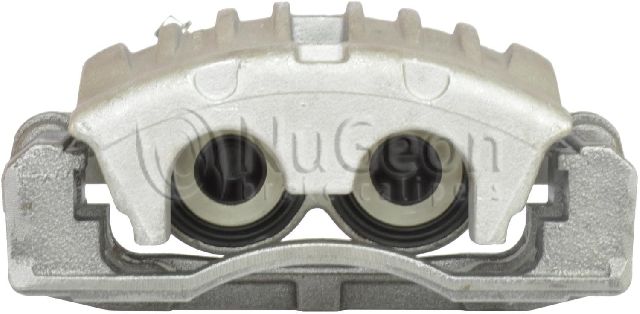
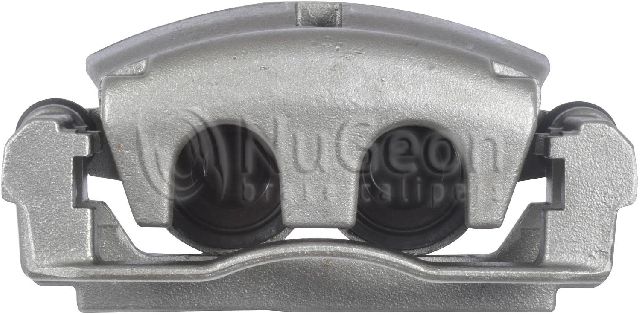
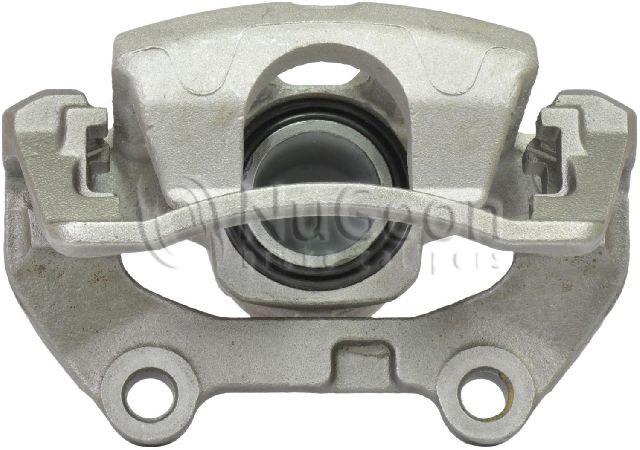
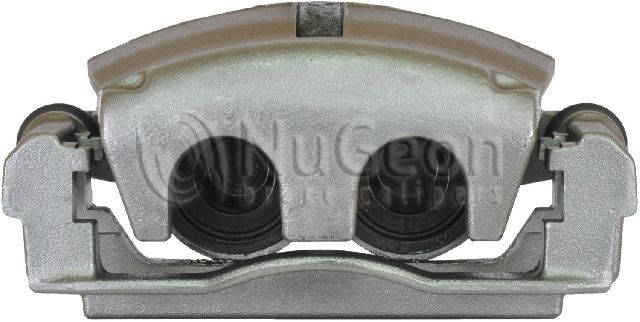
The 2004-2007 Buick Rainier uses a floating caliper design with two pistons in the front calipers. Replacement calipers are available with either steel or phenolic pistons.
We Have This Part in Stock


The information in this article is provided for general reference and educational purposes only. Vehicle specifications, procedures, and part compatibility can vary by production date, trim level, and region. Always consult your vehicle's factory service manual and verify part numbers before purchasing or performing repairs. Safety-critical components such as airbags, seat belts, and braking systems should be installed by a qualified professional.
- Buick Rainier:
- 🛍️ Shop This Part
- Is Your Buick Rainier Showing Signs of a Bad Brake Caliper?
- Choosing the Right Aftermarket Caliper for Your Rainier
- Aftermarket Brand Tiers
- Known Issues: Seized Slide Pins
- New vs. Remanufactured Calipers
- Estimated Costs for Caliper Replacement
- Frequently Asked Questions
- 🎟️ Get 5% Off