

Guide to the 2004-2007 Buick Rainier HVAC Blower Motor Resistor
If your Rainier's fan only works on high or has stopped working completely, this guide is for you.
- The most common symptom of failure is the fan only working on the highest speed setting.
- A failing blower motor is the primary cause of repeat resistor failure; consider replacing both at the same time.
- The replacement is a simple DIY job, located under the passenger side dashboard and requiring basic tools.
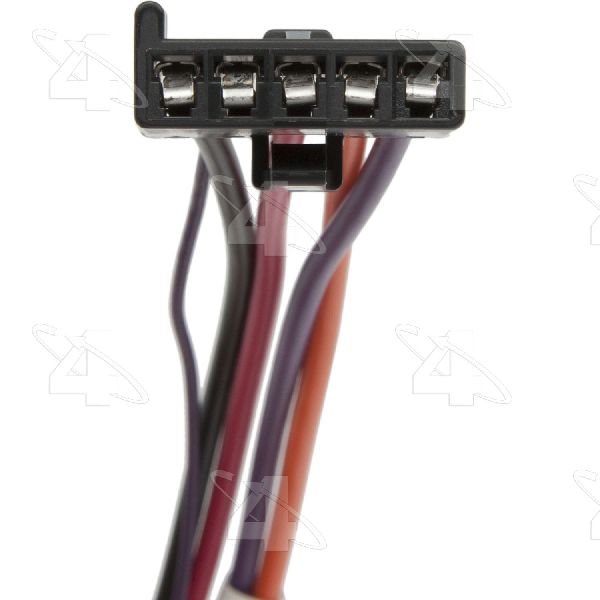
- Always inspect the wiring connector for melting or corrosion and replace it if any damage is found.
Symptoms of a Failing Blower Motor Resistor
When the blower motor resistor in your 2004-2007 Buick Rainier starts to fail, the signs are usually straightforward. Being aware of these symptoms can help you diagnose the problem quickly.
- Fan Only Works on High Speed: This is the most common symptom. The lower fan speeds (1, 2, 3, etc.) stop working, but the highest setting still functions. This happens because the high-speed setting bypasses the resistor, sending power directly to the blower motor.
- No Air From Vents: In some cases, the resistor can fail completely, causing the blower fan to stop working on all speeds. This can also be caused by a bad blower motor or a blown fuse, so further diagnosis may be needed.
- Inconsistent or Erratic Fan Speeds: The fan speed might change on its own, or it may work intermittently. This can point to a failing resistor or a loose electrical connection at the resistor's wiring harness.
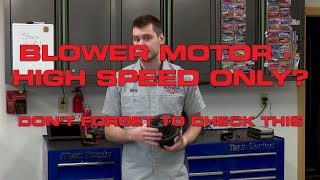
- Burning Smell from Vents: A failing resistor can overheat, which may produce a burning plastic smell from your vents, especially when you first turn the fan on. You might even see smoke. This indicates a serious electrical issue that needs immediate attention. 🎬 Learn more about common symptoms and how to fix them.
Check the Blower Motor and Wiring
A failing blower motor resistor is often a symptom of a larger problem. An old, worn-out blower motor can draw too much electrical current, causing the new resistor to overheat and fail prematurely. Before replacing the resistor, it's a good idea to inspect the blower motor. Spin it by hand; if it feels tight, noisy, or doesn't spin freely, it should be replaced along with the resistor. Also, check the wiring connector for any signs of melting, corrosion, or burnt plastic, which is a common issue. Some aftermarket kits come with a new wiring harness for this reason.
Choosing the Right Aftermarket Resistor
For the 2004-2007 Buick Rainier, several aftermarket brands offer replacement blower motor resistors. Since this is a common failure part on this GM platform (shared with the Trailblazer, Envoy, etc.), the quality of aftermarket parts is generally good.
- Premium Aftermarket (ACDelco, Standard Ignition): ACDelco is the original equipment (OE) supplier for GM, so their parts are a direct replacement for the factory component. Standard Motor Products (SMP) is another top-tier brand known for quality electronics that meet or exceed OE specifications. These brands are a reliable choice for a long-lasting repair.
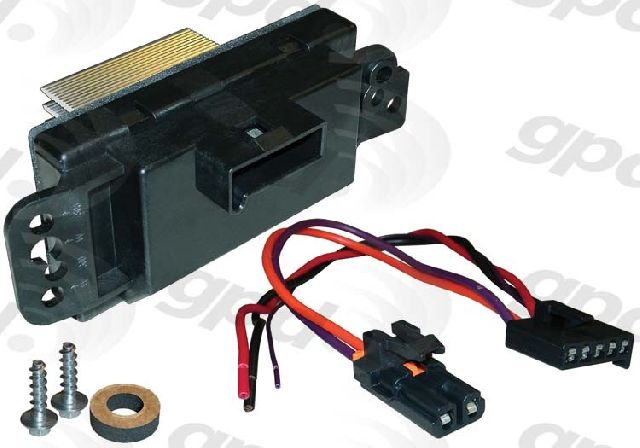
- Quality Aftermarket (Dorman, Four Seasons, Holstein): Dorman is a well-known brand that often re-engineers parts to fix original design flaws. They, along with brands like Four Seasons and Holstein, offer a good balance of quality and value. Many of these brands offer kits that include a new wiring harness, which is highly recommended if your original connector shows signs of heat damage.
- Value-Oriented (Global Parts, other store brands): These brands provide a cost-effective solution. While they may not have the same long-term durability as premium brands, they are functional replacements that can get your HVAC system working again.
Pro Tip: Many owners of these vehicles recommend buying a genuine GM or ACDelco part to ensure longevity and proper fit, as they have experienced premature failures with some cheaper aftermarket options. However, quality aftermarket brands like Dorman are also widely used with success.
Cost to Replace Buick Rainier Blower Motor Resistor
| Item | Estimated Cost |
|---|---|
| New Aftermarket Part | $49.63 - $93.68 |
| Shop Labor | $60 - $120 |
| Total Estimated Cost (DIY) | $49.63 - $93.68 |
| Total Estimated Cost (Installed) | $109 - $213 |
Frequently Asked Questions (FAQ)
Where is the blower motor resistor located on a 2004-2007 Buick Rainier?
The blower motor resistor is located in the passenger-side footwell, underneath the dashboard. It is mounted next to the blower motor itself, inside the HVAC housing. To access it, you will typically need to remove a lower plastic panel.
Can I replace the blower motor resistor myself?
Yes, this is a very common DIY repair. It typically involves removing a few screws and disconnecting electrical connectors in a tight space. The main tools required are usually a 5.5mm (or 7/32") and 7mm socket. The entire job can often be completed in under an hour.
Why did my new blower motor resistor fail after only a short time?
The most common reason for repeat failure is an old blower motor that is drawing too much current, which overheats and burns out the resistor. Another cause can be a poor connection to the evaporator core, which acts as a heat sink. Always inspect and consider replacing the blower motor at the same time as the resistor for a long-term fix.
🎬 See why fans only work on high and prevent failures.Do I need to replace the wiring harness with the resistor?
It is highly recommended. The wiring connector is a known weak point and often melts or corrodes from the heat generated by a failing resistor. Many aftermarket resistors are sold as a kit with a new harness connector. If your existing connector shows any sign of melting or damage, you must replace it.
Helpful Videos
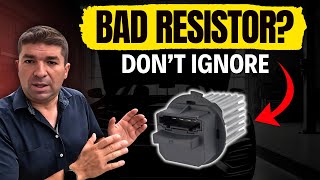
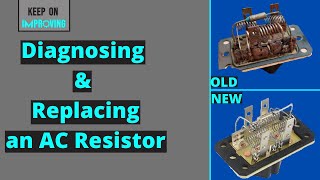
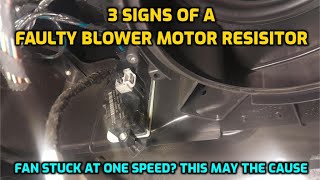
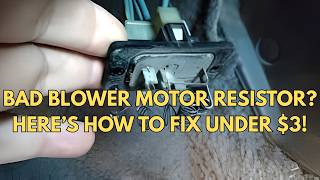
Technical Specifications
OEM Part Numbers: 15-81773 15-80521
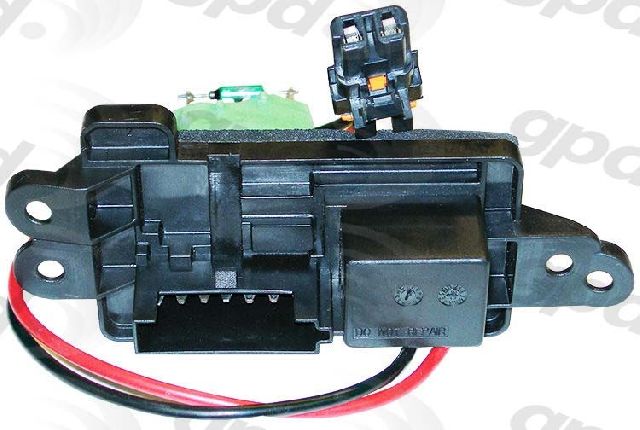
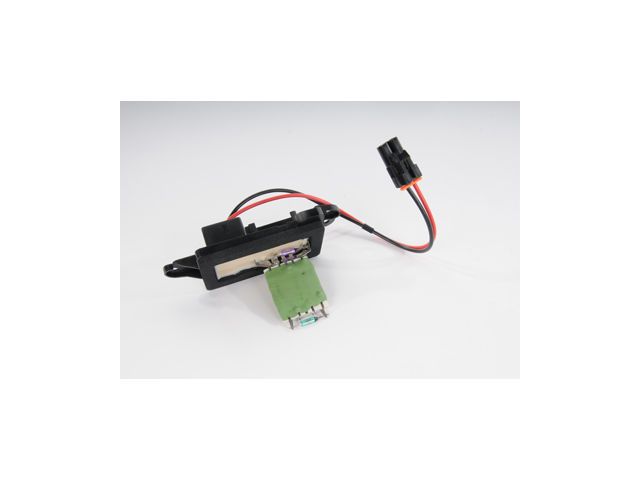
Controls fan speed for the HVAC system. Located in the passenger footwell. The 2004-2007 Buick Rainier uses a resistor module compatible with manual A/C controls.
We Have This Part in Stock


The information in this article is provided for general reference and educational purposes only. Vehicle specifications, procedures, and part compatibility can vary by production date, trim level, and region. Always consult your vehicle's factory service manual and verify part numbers before purchasing or performing repairs. Safety-critical components such as airbags, seat belts, and braking systems should be installed by a qualified professional.
- Buick Rainier: