

A Guide to Replacing Ignition Coils on the 2004-2007 Buick Rainier
Fix engine misfires and restore performance by choosing the right ignition coils for your Rainier's 4.2L or 5.3L engine.
- A failing ignition coil is the most common cause of a misfire, rough idle, and a check engine light with P030X codes.
- Replacement is extremely easy and requires only a 10mm socket, making it a great DIY job.
- For best results and longevity, choose premium brands like ACDelco or Delphi, which were original equipment suppliers.
- If your check engine light is flashing, pull over. Driving can cause expensive damage to the catalytic converter.
Symptoms of a Failing Ignition Coil
When an ignition coil starts to fail on your Rainier, the signs are usually obvious. Because each cylinder has its own coil, a single failure will directly affect how one cylinder operates. You will likely notice a rough or shaky feeling at idle, hesitation when you accelerate, and a general loss of engine power. The most direct sign is a flashing or solid Check Engine Light on your dashboard. A flashing light is serious, indicating raw fuel may be getting dumped into your exhaust, which can quickly damage the expensive catalytic converter.
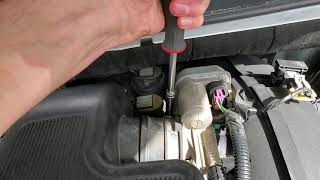
🎬 Watch a mobile mechanic diagnose and fix a Rainier misfire.Warning: Flashing Check Engine Light
If your Check Engine Light is flashing, it indicates a severe misfire. Avoid driving the vehicle if possible. Continuing to drive can cause unburnt fuel to overheat and destroy the catalytic converter, a very expensive repair.
Choosing the Right Aftermarket Coil for Your Rainier
Not all aftermarket coils are created equal. For a vehicle like the Rainier, which shares its platform with the Chevy Trailblazer and GMC Envoy, parts are plentiful. They generally fall into three quality tiers.
Tier 1: OEM & Premium Aftermarket
Brands like ACDelco and Delphi are the top choice for reliability. Delphi was the original equipment manufacturer (OEM) for many GM vehicles, and parts sold under the ACDelco brand are often the exact same Delphi part in a different box. Choosing either of these brands ensures you are getting a part that meets or exceeds the original factory specifications. Other excellent choices in this tier include Bosch, Denso, and NGK, all known for their high-quality ignition components. These are your best bet for a long-lasting, trouble-free repair.
Tier 2: Quality Aftermarket
This tier offers a good balance of price and performance. Brands like Standard Motor Products (SMP), Hitachi, and Walker Products produce reliable coils that are often more affordable than the premium options. They are a solid choice for daily drivers and owners looking for a dependable part without the premium price tag.
Tier 3: Budget-Friendly
This category includes brands like DriveWire, True Tech, and various private labels found on sites like eBay and Amazon. While the low price is tempting, quality can be inconsistent. These coils may have a shorter lifespan and are often best for those on a very tight budget or planning to sell the vehicle soon. If you choose a budget brand, it's wise to read reviews for your specific vehicle if possible.
Pro Tip: Replace in Sets?
While you can replace just the one failed coil, keep in mind that all coils have the same age and have been exposed to the same conditions. If one has failed, others may not be far behind. If your budget allows, especially on higher-mileage vehicles, replacing all six (4.2L) or eight (5.3L) coils at the same time as the spark plugs can save you future headaches.
Known Issues, Recalls, and Service Bulletins
There are no specific recalls or widespread Technical Service Bulletins (TSBs) directly related to ignition coil failure on the 2004-2007 Buick Rainier. Most issues are simply related to the age and mileage of the vehicle. However, a recall was issued for the driver's door master power window switch, which could short circuit due to moisture and potentially cause a fire. It is worth checking if this recall work has been performed on your vehicle.
| Item | Estimated Cost (per coil) |
|---|---|
| New Aftermarket Coil | $31 - $125 |
| New OEM (ACDelco/GM) Coil | $70 - $150 |
| Shop Labor (per coil) | $50 - $143 |
Frequently Asked Questions (FAQ)
Is it hard to replace the ignition coils on a Buick Rainier?
No, it is a very easy job for both the 4.2L I6 and 5.3L V8 engines. Each coil is held down by a single 10mm bolt. The process involves removing the engine cover, disconnecting the electrical connector, removing the bolt, and pulling the coil straight up. It's one of the simplest repairs you can do.
🎬 See a full walkthrough on replacing Rainier spark plugs and coils.Do I need to replace all the coils at once?
It is not required, but it is often recommended. Coils fail from heat and age, so if one fails, the others are likely nearing the end of their service life. Replacing them all at once, especially when you are already changing spark plugs, can prevent future misfires and save you from doing the same job multiple times.
What tools do I need to replace an ignition coil?
You only need basic hand tools: a ratchet with an extension and a 10mm socket to remove the coil bolt, and possibly a flathead screwdriver to help release the clip on the electrical connector.
Should I put dielectric grease on the new coil boot?
Yes, applying a small amount of dielectric grease to the inside of the new coil boot is a good practice. It helps seal out moisture, prevents the boot from getting stuck to the spark plug's ceramic, and makes future removal easier. It does not, however, improve the electrical connection.
Helpful Videos
Technical Specifications
OEM Part Numbers: 12568062 UF303 12570616 12611424 UF413 D510C 12699382
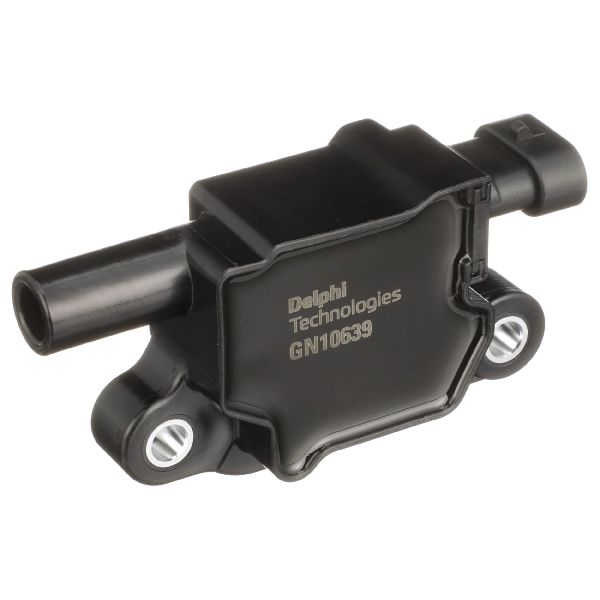
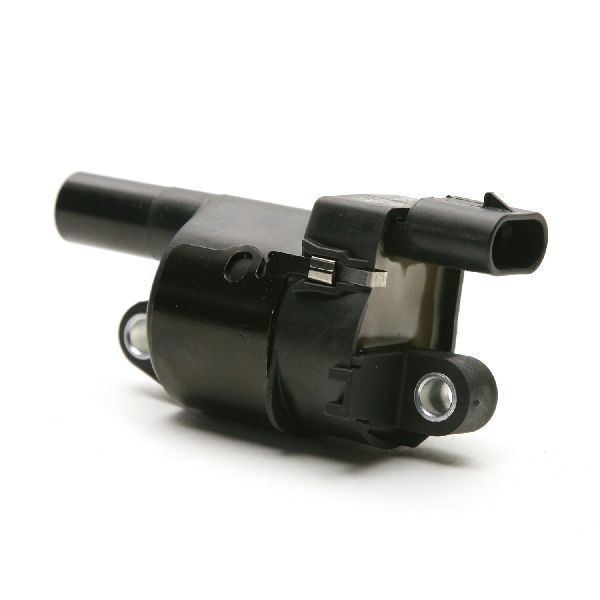
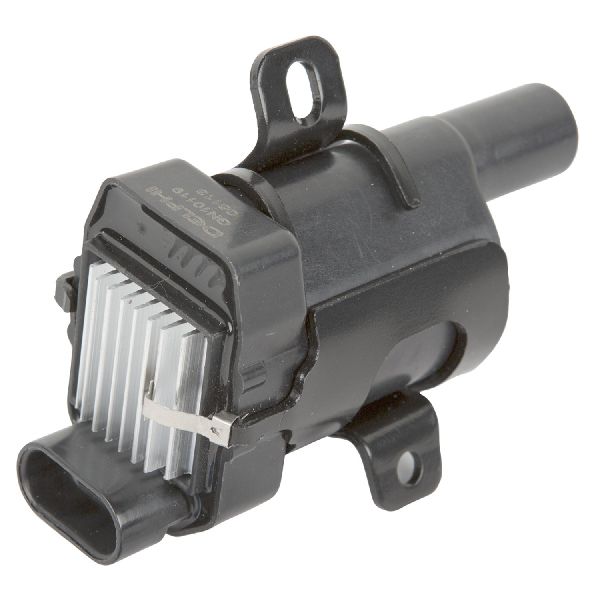
The 2004-2007 Buick Rainier uses two different types of ignition coils depending on the engine. The 4.2L I6 uses a long, pencil-style coil (OEM Part #12568062, UF303). The 5.3L V8 uses a square-shaped coil, often referred to as an LS-style coil (OEM Part #12570616, UF413). Both are individual coil-on-plug designs.
We Have This Part in Stock


The information in this article is provided for general reference and educational purposes only. Vehicle specifications, procedures, and part compatibility can vary by production date, trim level, and region. Always consult your vehicle's factory service manual and verify part numbers before purchasing or performing repairs. Safety-critical components such as airbags, seat belts, and braking systems should be installed by a qualified professional.
- Buick Rainier:
- 🎬 Helpful Videos
- 🛍️ Shop This Part
- Symptoms of a Failing Ignition Coil
- Warning: Flashing Check Engine Light
- Choosing the Right Aftermarket Coil for Your Rainier
- Tier 1: OEM & Premium Aftermarket
- Tier 2: Quality Aftermarket
- Tier 3: Budget-Friendly
- Pro Tip: Replace in Sets?
- Known Issues, Recalls, and Service Bulletins
- Frequently Asked Questions (FAQ)
- 🎟️ Get 5% Off