

Ford Freestar A/C System O-Ring and Gasket Kit Guide (2004-2007)
Losing cool air in your Freestar? Your A/C system's seals are a common, but fixable, point of failure.
- A refrigerant leak is the most common cause of A/C failure on a Freestar; failing O-rings are a frequent source of these leaks.
- A Ford TSB (06-4-9) specifically points to A/C compressor shaft seal leaks on the 2004-2006 Freestar.
- Always replace O-rings on any A/C line or component that is disconnected for service.
- Replacement is not a DIY job. The system requires professional evacuation and recharging to prevent damage and ensure proper operation.
Is Your Freestar's A/C Blowing Warm? Check the Seals
If the air conditioning in your Ford Freestar isn't as cold as it used to be, the most common reason is a refrigerant leak. These leaks often happen at the system's connection points, where small rubber O-rings and gaskets are supposed to keep everything sealed tight. Over time, these seals can dry out, crack, and fail, allowing refrigerant to escape and your A/C performance to drop.
Known Issue: Compressor Shaft Seal Leak
Ford issued a Technical Service Bulletin (TSB 06-4-9) for 2004-2006 Freestar models due to potential leaks from the A/C compressor's main shaft seal. This specific leak causes a gradual loss of refrigerant and leads to the A/C not working. If you are replacing your compressor due to this issue, replacing all other accessible O-rings with a kit is a critical step.
Symptoms of Failing A/C O-Rings
- Weak or No Cooling: The most obvious symptom. As refrigerant leaks out, the system can no longer cool the air effectively.
- A/C Works Intermittently: The system might cool when you first turn it on but then blow warmer air, or it may only get cold when driving at higher speeds.
- Visible Dye or Oily Residue: A/C systems contain a special oil that circulates with the refrigerant. If you see a greasy, grimy buildup on A/C line connections, it's a sign of a leak. Many systems also have a UV dye added, which will glow green or yellow under a blacklight.
- Hissing Sounds: A hissing noise from the engine bay or dash area after the vehicle is shut off can indicate refrigerant pressure escaping through a leak.
Choosing the Right Aftermarket Kit
When you open the A/C system for any repair, like replacing a compressor or a hose, you must replace the O-rings at the connections you opened. Reusing old seals is asking for a leak.
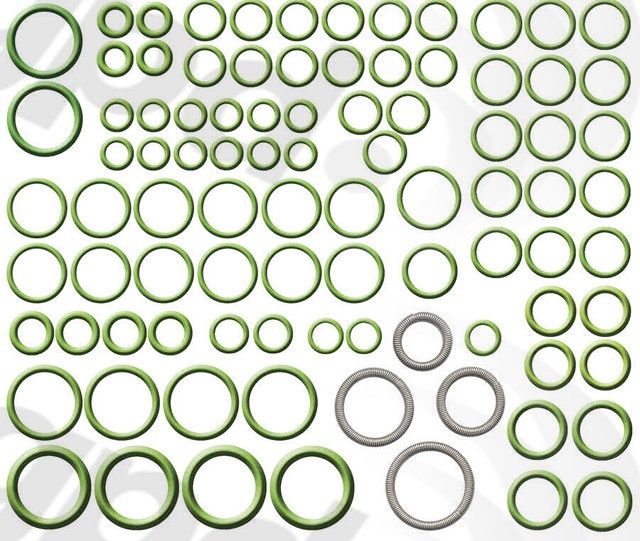
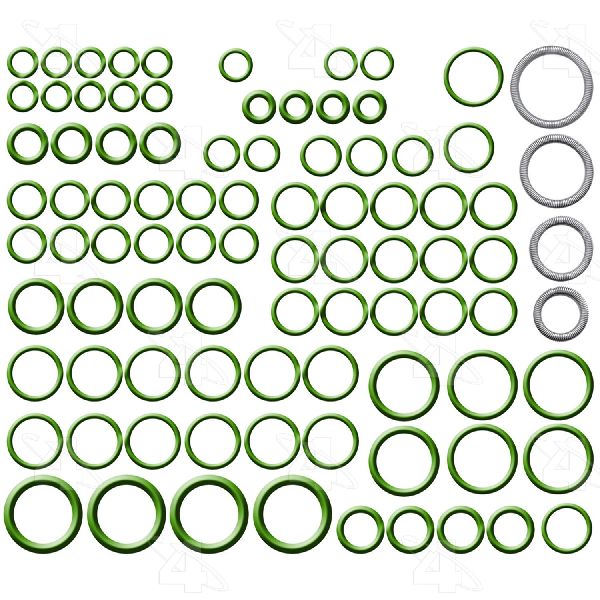
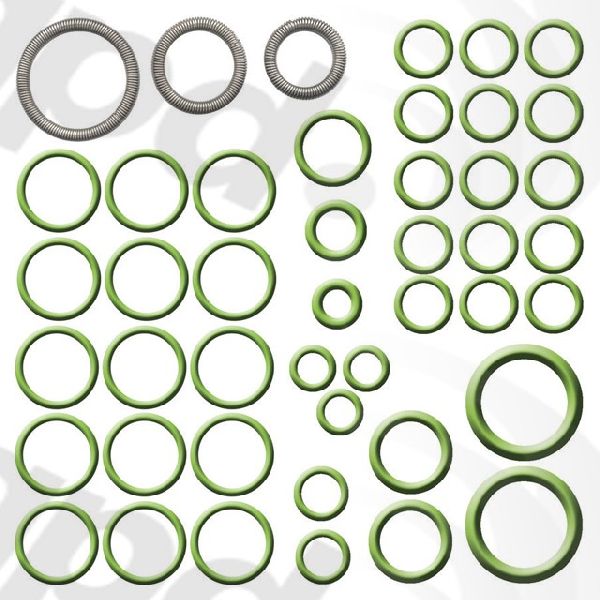
OEM vs. Aftermarket: For a simple part like an O-ring, OEM is not always necessary. Aftermarket brands like Four Seasons and Global Parts offer complete kits that are affordable and widely available. The most important factors are getting a kit with the correct size O-rings and ensuring they are made from the right material (HNBR) for R-134a systems. Some mechanics have noted that aftermarket O-rings can occasionally be slightly less 'beefy' than the originals, so double-check for a snug fit before installation. However, for the price and convenience, a quality aftermarket kit is a smart choice for most repairs.
Cost of Replacing A/C O-Rings (2004-2007 Ford Freestar)
| Part/Service | Estimated Cost |
|---|---|
| New Aftermarket O-Ring & Gasket Kit | $16 - $24 |
| Shop Labor (Includes Evacuation & Recharge) | $200 - $400+ |
| Total Professional Replacement | $216 - $424+ |
Pro Tip: Check the Rear A/C Lines
The Freestar was available with rear air conditioning. The long aluminum lines that run to the back of the van are a known spot for corrosion and leaks, especially in areas that use road salt. Before assuming a major component has failed, have a mechanic inspect the connections and the lines themselves for any signs of leakage.
Frequently Asked Questions (FAQ)
Can I replace the A/C O-rings myself?
While swapping the physical O-ring is easy, the full job is not recommended for DIYers. The A/C system is under high pressure and contains chemicals that are harmful to the environment. Proper replacement requires expensive, specialized equipment to recover old refrigerant, pull a deep vacuum to remove moisture, and precisely recharge the system. Incorrect refrigerant or oil levels can destroy your new A/C compressor. This job is best left to a qualified shop.
What is included in an A/C O-Ring and Gasket Kit?
A vehicle-specific kit for your Freestar will include a variety of different sized O-rings to fit the various connections in the A/C system. It may also include sealing washers or gaskets for specific components like the compressor manifold.
Should I use A/C 'Stop Leak' products?
Most professional mechanics strongly advise against using 'stop leak' additives. These products can clog not just small leaks, but also critical components like the expansion valve, orifice tube, and even the compressor itself, leading to much more expensive repairs down the road.
Do I need to replace all the O-rings at once?
You should replace any O-ring on a connection that you disconnect. If you are not trying to solve a specific leak, it is not necessary to disassemble the entire system just to change the O-rings. However, if you are replacing a major component like the compressor or condenser, it is wise to replace all the seals you can easily access as preventative maintenance.
Technical Specifications
System uses R-134a refrigerant. O-rings must be HNBR material compatible with PAG 46 oil.
We Have This Part in Stock

The information in this article is provided for general reference and educational purposes only. Vehicle specifications, procedures, and part compatibility can vary by production date, trim level, and region. Always consult your vehicle's factory service manual and verify part numbers before purchasing or performing repairs. Safety-critical components such as airbags, seat belts, and braking systems should be installed by a qualified professional.
- Ford Freestar:
- 🛍️ Shop This Part
- Is Your Freestar's A/C Blowing Warm? Check the Seals
- Known Issue: Compressor Shaft Seal Leak
- Symptoms of Failing A/C O-Rings
- Choosing the Right Aftermarket Kit
- Cost of Replacing A/C O-Rings (2004-2007 Ford Freestar)
- Pro Tip: Check the Rear A/C Lines
- Frequently Asked Questions (FAQ)
- 🎟️ Get 5% Off