

Ford Freestar Engine Camshaft Position Sensor: A Guide for 2004-2007 Owners
Diagnose and fix stalling, no-start, and poor running conditions by understanding this critical engine sensor.
- A failing camshaft sensor is a top cause of stalling and no-start issues on the 2004-2007 Freestar.
- Do not continue driving if the engine is stalling, as it is a major safety risk.
- For this critical part, choosing an OEM (Motorcraft) or a premium aftermarket brand like Denso, Hitachi, or Standard Ignition is strongly recommended over budget options.
- Be aware that water leaking onto the main computer (PCM) can cause identical symptoms, especially after rain.
Is Your Freestar Stalling or Refusing to Start?
A faulty camshaft position sensor is a common cause of frustrating and sometimes dangerous issues on the 2004-2007 Ford Freestar. Because this sensor is essential for engine timing, a bad signal can make the vehicle run poorly, stall unexpectedly, or fail to start at all. Recognizing the symptoms early can save you from being stranded.
Symptoms of a Failing Camshaft Position Sensor
When the camshaft position sensor goes bad, your van's computer gets confused. Look for these common signs:
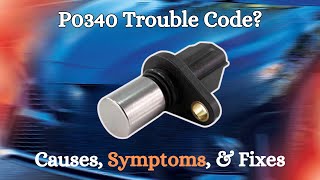
- Check Engine Light: This is often the first warning. The most common trouble code will be P0340. 🎬 Watch: How to fix P0340 codes and common causes. You might also see P0345, which specifies an issue on Bank 2 of the V6 engine.
- Engine Cranks but Won't Start: The engine turns over, but it can't fire up because the computer doesn't know when to create a spark.
- Sudden Stalling: The engine may shut off unexpectedly while driving, which is a serious safety risk. This can happen without warning at any speed.
- Rough Idle and Misfires: Your van may shake or vibrate when stopped at a light. You might feel the engine stumbling or hesitating as you drive.
- Loss of Power: With incorrect timing, the engine can't produce power efficiently, making the van feel sluggish and slow to accelerate.
Important Note on Stalling
While a bad camshaft sensor is a likely culprit for stalling, 2004-2007 Freestar models are also known for issues where water can leak onto the Powertrain Control Module (PCM), causing similar symptoms. One owner reported that their camshaft sensor issues only happened after heavy rain, pointing to a wiring or water problem rather than the sensor itself. If your problems seem related to wet weather, it's wise to have the PCM and sensor wiring checked for water damage.
Choosing the Right Aftermarket Camshaft Sensor
For a critical part like this, quality matters. A cheap, unreliable sensor can fail quickly, leaving you in the same situation. Here’s how the available brands generally stack up based on reputation among mechanics and Ford owners.
Tier 1: OEM-Equivalent Quality
These brands are known for manufacturing parts that meet or exceed original factory specifications. They are the most reliable choice for a critical sensor.
- Denso: A top-tier OEM supplier for many automakers, known for excellent electronics.
- Hitachi: Another respected OEM supplier with a strong reputation for reliable sensors.
- Standard Ignition (SMP): A long-standing, trusted aftermarket brand often recommended by professional technicians.
- NGK: While famous for spark plugs, their sensors are also regarded as high-quality.
Tier 2: Standard Aftermarket Replacements
These brands offer a balance of value and quality. They are generally reliable for most repairs.
- Dorman: Dorman has a mixed reputation. Some users have had success, while many experienced mechanics advise using OEM or Tier 1 brands for critical sensors on Ford vehicles.
- Cardone: Known for both new and remanufactured parts, quality can be consistent.
- Holstein: A solid mid-tier option for sensors and other electronic components.
Tier 3: Budget-Friendly Options
These brands are the most affordable, but may come with a higher risk of premature failure or being defective out of the box.
- Prenco
- True Tech
- URO Parts
Mechanic's Advice
For a sensor that can leave you stranded, it's worth spending a few extra dollars for a Tier 1 brand. The cost difference is small compared to the headache of a second failure. Many forum users strongly recommend sticking with OEM (Motorcraft) or a top-tier aftermarket brand for cam and crank sensors.
Ford Freestar Camshaft Sensor Cost
The cost to replace the camshaft position sensor depends on whether you do it yourself or hire a shop, and the quality of the part you choose.
| Part or Service | Estimated Cost |
|---|---|
| New OEM (Motorcraft) Part | $32 - $50 |
| New Aftermarket Part | $23 - $72 |
| Shop Labor | $50 - $140 |
| Total Professional Replacement | $80 - $210 |
Frequently Asked Questions
Where is the camshaft position sensor located on the 2004-2007 Ford Freestar?
On the Freestar's 3.9L and 4.2L V6 engines, the camshaft position sensor is located at the front of the engine. It is mounted on a component called the camshaft synchronizer. Accessing it can be tricky and may require removing a coolant pipe and potentially moving the power steering pump out of the way.
Can I replace this sensor myself?
This job can be challenging for a beginner. While unbolting the sensor itself is simple, getting to it may require draining some coolant and removing other engine components. If the entire camshaft synchronizer needs to be replaced, the engine must be set to Top Dead Center (TDC) for cylinder #1, which adds significant complexity. If you are only replacing the sensor on top of the synchronizer, the job is easier. Due to the location, the difficulty is moderate.
🎬 See this walkthrough for replacing the sensor on a 4.2L.What is a camshaft synchronizer and do I need to replace it too?
On these Ford V6 engines, the camshaft position sensor doesn't read the camshaft directly. Instead, it reads a small rotating part called a synchronizer, which is driven by the camshaft. The sensor bolts onto this synchronizer. Sometimes the synchronizer itself wears out, making a chirping or squealing noise. If you hear such noises, you should replace the synchronizer assembly along with the sensor.
🎬 Watch: How to replace the cam sensor and synchronizer together.Do I need to reset the computer after replacing the sensor?
Yes, after replacing the sensor, it is a good practice to clear the trouble codes from the computer using an OBD-II scanner. You can also disconnect the battery's negative terminal for about 15 minutes to reset the system. This ensures the check engine light goes off and the PCM relearns with the new sensor signal.
Helpful Videos
Technical Specifications
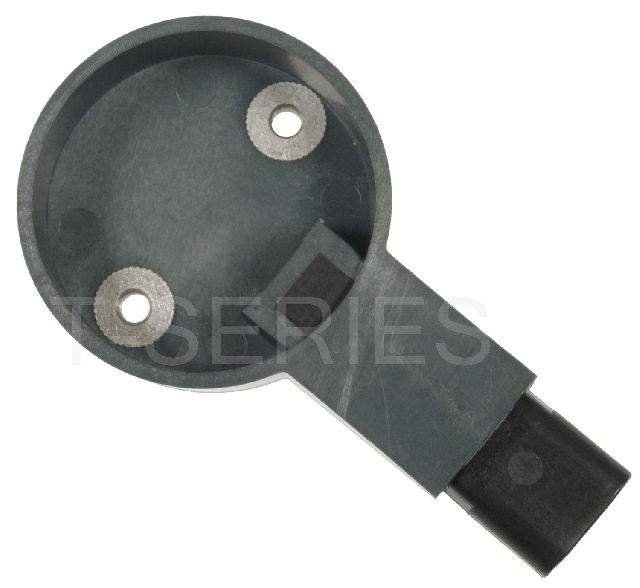
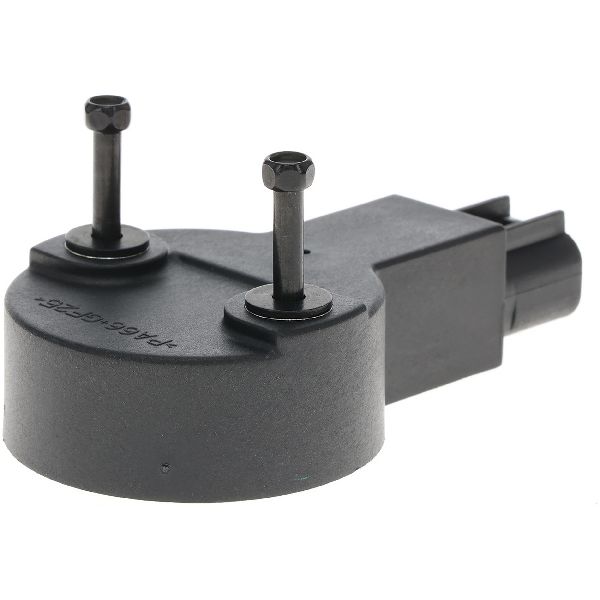
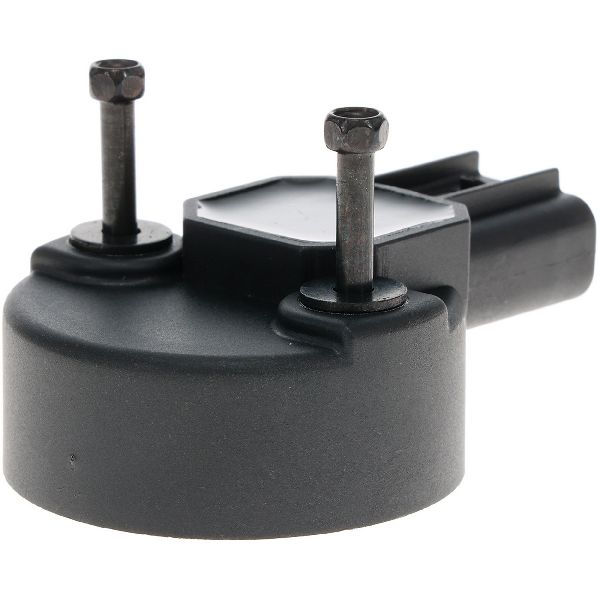
OEM Part Numbers: 1F1Z-6B288-BA 1W7Z-6B288-AB DU-70
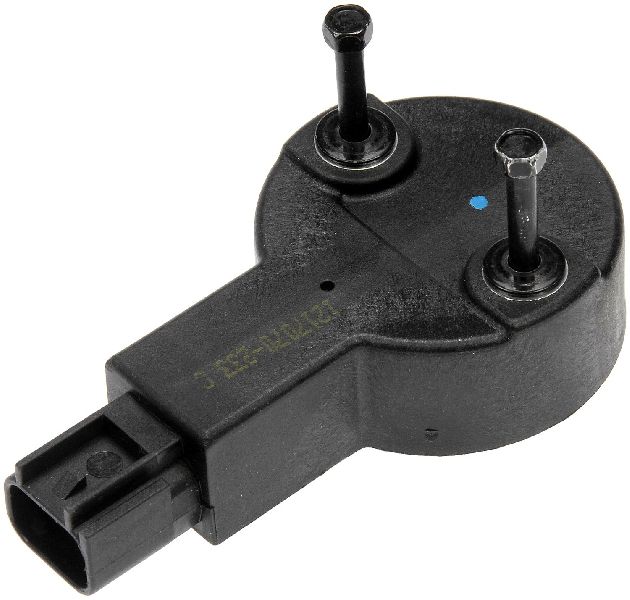
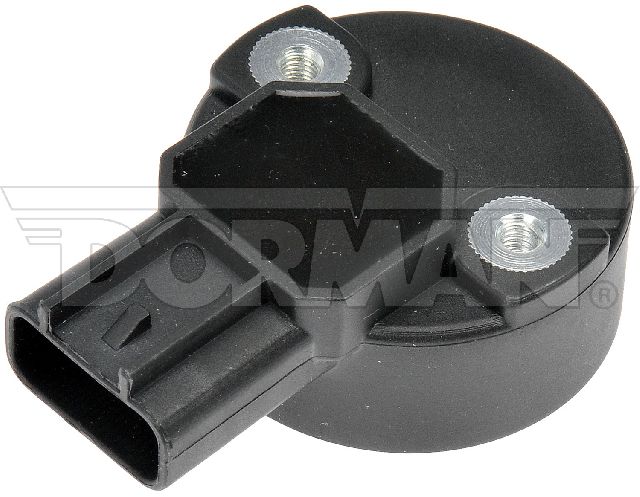
This is a Hall Effect sensor that reads the rotation of the camshaft synchronizer, sending a digital signal to the PCM. It uses a 2-terminal connector.
We Have This Part in Stock


The information in this article is provided for general reference and educational purposes only. Vehicle specifications, procedures, and part compatibility can vary by production date, trim level, and region. Always consult your vehicle's factory service manual and verify part numbers before purchasing or performing repairs. Safety-critical components such as airbags, seat belts, and braking systems should be installed by a qualified professional.
- Ford Freestar:
- 🎬 Helpful Videos
- 🛍️ Shop This Part
- Is Your Freestar Stalling or Refusing to Start?
- Symptoms of a Failing Camshaft Position Sensor
- Important Note on Stalling
- Choosing the Right Aftermarket Camshaft Sensor
- Tier 1: OEM-Equivalent Quality
- Tier 2: Standard Aftermarket Replacements
- Tier 3: Budget-Friendly Options
- Mechanic's Advice
- Ford Freestar Camshaft Sensor Cost
- Frequently Asked Questions
- 🎟️ Get 5% Off