

A Guide to the Throttle Position Sensor for the 2004-2007 Mercury Monterey
Solve poor acceleration and rough idling by understanding and choosing the right throttle position sensor for your Monterey.
- A failing TPS on a Monterey typically causes hesitation, rough idle, and may trigger a Check Engine Light with codes like P0122.
- Replacement is a simple, DIY-friendly job that usually takes less than an hour with basic hand tools.
- For best results, choose the OEM Motorcraft part or a premium aftermarket brand like Delphi or NGK to ensure reliability.
- Before replacing the TPS, check for water leaks near the main computer (PCM), as this is a known issue that can cause similar symptoms.
Is Your Monterey's Throttle Position Sensor Failing?
When a throttle position sensor starts to go bad, your van's computer gets confusing signals. This can cause a number of noticeable driving problems. Because the TPS is critical for managing fuel and air, a faulty one can make your Monterey feel unpredictable and unreliable.
Common Symptoms of a Bad TPS:
- Check Engine Light: This is often the first sign. The system may store trouble codes like P0122, which points to a problem in the TPS circuit.
- Hesitation or Stumbling: When you press the gas pedal, the van might hesitate or stumble before accelerating.
- Rough or High Idle: The engine may idle poorly, sometimes surging to high RPMs and then dropping low.
- Sudden Power Loss: While driving, you might experience a sudden loss of power that feels like the engine is cutting out, only for it to come back.
- Stalling: In more serious cases, the engine may stall, especially when you slow down or come to a stop.
- Poor Fuel Economy: Since the computer can't properly manage the fuel mixture, you may notice you're using more gas than usual.
A Note on Water Damage
A Ford Technical Service Bulletin (TSB 06-14-10) notes that 2004-2007 Monterey models can suffer from water leaking from the cowl area directly into the main computer (PCM). This can cause many of the same symptoms as a bad TPS, including rough idle, shifting problems, and various trouble codes. If you experience these issues, it's wise to check for signs of water intrusion around the PCM before replacing parts.
Choosing the Right Aftermarket TPS
For a critical sensor like the TPS, quality matters. While you can save money with an aftermarket part, choosing the wrong brand can lead to continued problems or a short service life. The original sensor on your Monterey was made by Motorcraft, Ford's own parts brand.
Brand Quality Tiers
- OEM (Original Equipment Manufacturer): Motorcraft is the Ford factory brand. Choosing Motorcraft guarantees a perfect fit and the same performance as the original part. For critical electronics, sticking with the OEM brand is often the safest bet to avoid compatibility issues.
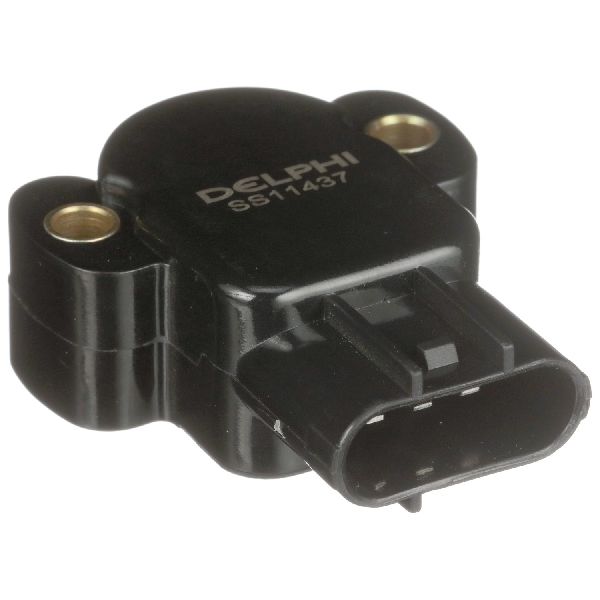
- Premium Aftermarket: Brands like Delphi, NGK, and Standard Ignition (SMP) are known for making high-quality electronic parts that meet or exceed original specifications. Delphi, for example, is a major OEM supplier for other carmakers and often uses advanced, long-lasting technology in their sensors. These are excellent alternatives to OEM.
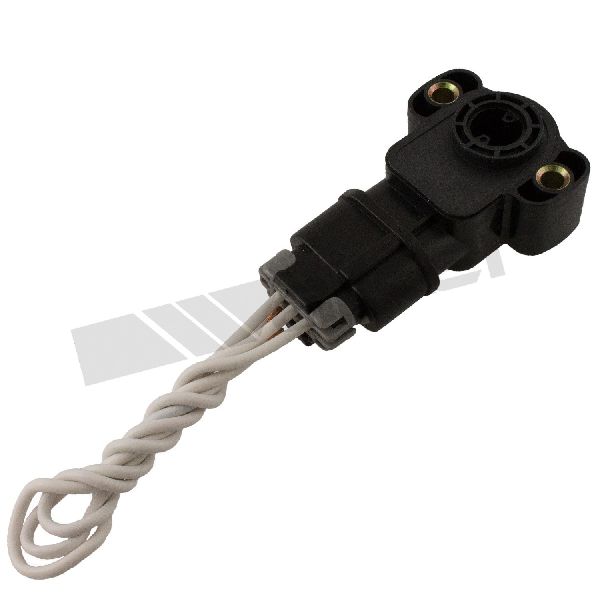
- Standard / Economy Aftermarket: Brands like Walker Products, True Tech, and other general "Replacement" brands offer a budget-friendly option. While they can work, their internal components may not be as robust, potentially leading to a shorter lifespan or less precise readings compared to premium options.
Pro Tip: Many experienced mechanics recommend using either the OEM Motorcraft sensor or a premium aftermarket brand like Delphi or NGK for this repair. The small amount of money saved on a budget sensor may not be worth the risk of continued driveability problems.
Cost of Replacing a Throttle Position Sensor
The cost to replace the TPS on a 2004-2007 Mercury Monterey is reasonable, especially if you do it yourself. The part itself is not expensive, and the labor is minimal.
| Item | Estimated Cost |
|---|---|
| New Aftermarket Part | $16 - $55 |
| New OEM (Motorcraft) Part | $40 - $65 |
| Shop Labor | $50 - $80 |
| Total Professional Replacement | $90 - $145 |
Cost estimates are based on national averages and may vary by location and supplier. Labor costs are based on an estimated repair time of 0.5-0.8 hours.
Frequently Asked Questions
Is it hard to replace a throttle position sensor on a Monterey?
No, it is considered an easy DIY job for most people. It is located on the side of the throttle body and held on by two screws. You will need to remove the electrical connector and the screws, then swap the sensor. The most difficult part can be accessing it, which may require removing the plastic engine cover or air intake hose.
Do I need to calibrate the new TPS?
For this specific vehicle, a calibration procedure is generally not required. The sensor is designed to work once installed correctly. However, it is important to make sure the new sensor is properly aligned or "clocked" onto the throttle shaft when you install it. After installation, some mechanics recommend disconnecting the battery for 15 minutes to reset the vehicle's computer.
What tools do I need to replace the TPS?
You will typically need a basic set of hand tools. This usually includes a Phillips or Torx head screwdriver for the sensor's mounting screws and possibly a flathead screwdriver or socket set to loosen the clamps on the air intake hose.
Can I just clean the throttle position sensor?
No, the throttle position sensor is a sealed electronic component. The failure is internal, so cleaning the outside will not fix the problem. If the sensor is faulty, it must be replaced.
Technical Specifications
OEM Part Numbers: F5RZ-9B989-B F5RZ9B989BA AJ0318911A 1F2218851
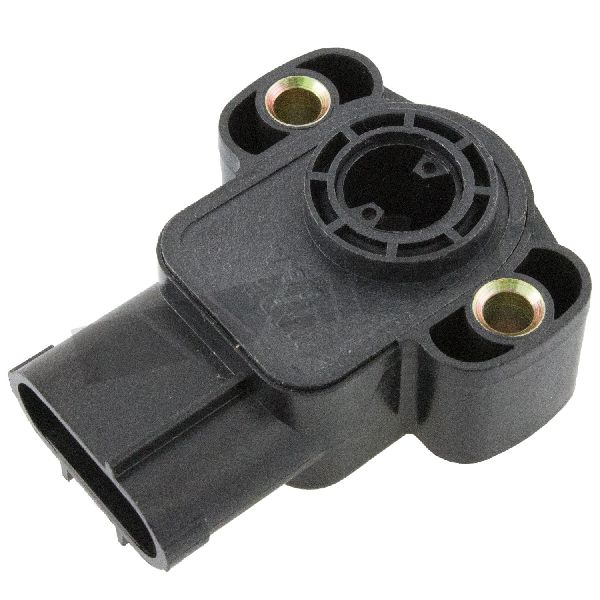
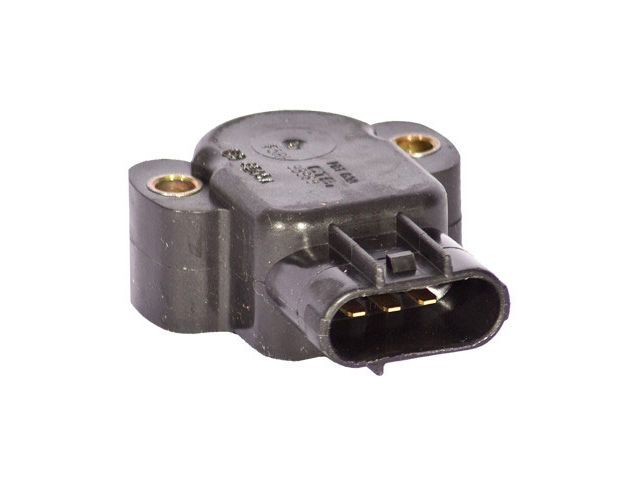
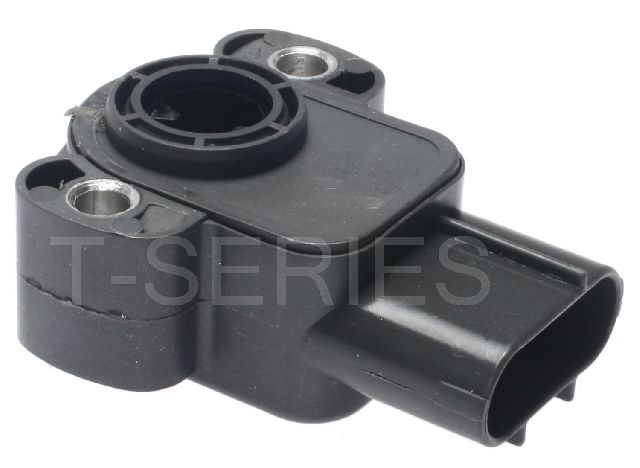
The sensor is a 3-pin potentiometer mounted to the side of the throttle body. It translates the rotational movement of the throttle blade into a voltage signal for the engine computer.
We Have This Part in Stock


The information in this article is provided for general reference and educational purposes only. Vehicle specifications, procedures, and part compatibility can vary by production date, trim level, and region. Always consult your vehicle's factory service manual and verify part numbers before purchasing or performing repairs. Safety-critical components such as airbags, seat belts, and braking systems should be installed by a qualified professional.
- Mercury Monterey: