

Audi S4 (2004-2008) Engine Coolant Temperature Sensor Guide
Solving erratic temperature gauge readings and Check Engine Lights on your S4.
- A failing coolant temp sensor on the S4 V8 causes issues like a Check Engine Light, poor fuel economy, and an erratic temperature gauge.
- The sensor is located in a very difficult-to-reach spot at the back of the engine, making labor the main cost of replacement.
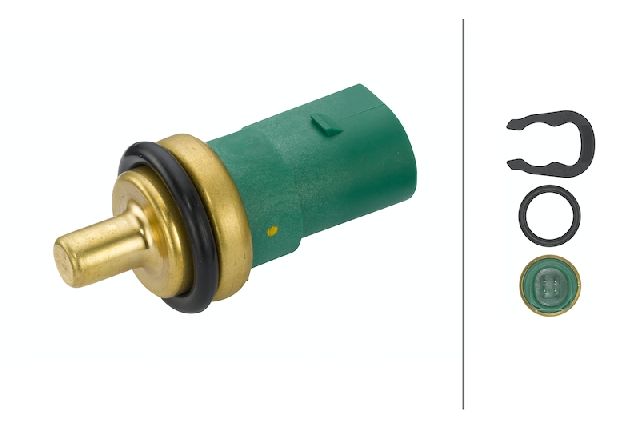
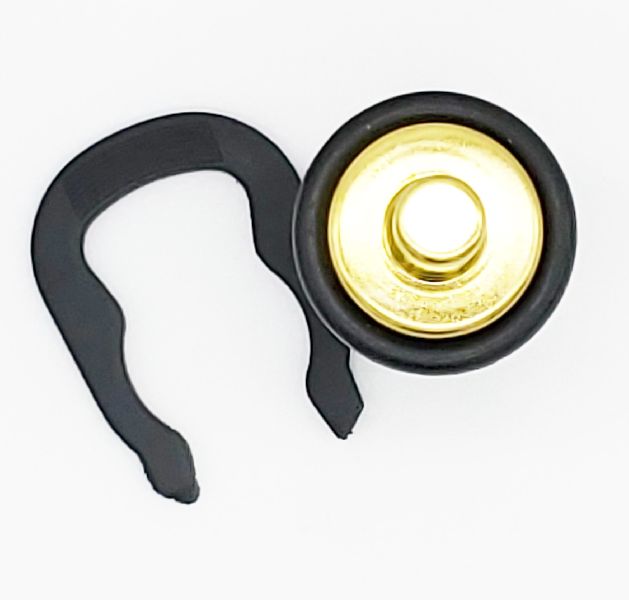
- When replacing, it is critical to also replace the small O-ring and retaining clip to prevent coolant leaks.
- Quality aftermarket brands like Hella, Delphi, and Vemo are reliable alternatives to the more expensive OEM part.
Is Your S4's Temp Gauge Acting Up?
A faulty Engine Coolant Temperature (ECT) sensor is a common issue on the B6 and B7 generation Audi S4. This sensor provides critical data to both the driver and the engine's computer. When it fails, it can cause a range of confusing symptoms, from a Check Engine Light to poor engine performance. Understanding these symptoms is the first step to getting your S4 running right again.
🎬 Learn more about common symptoms and replacement costs.Symptoms of a Failing Coolant Temperature Sensor
Because this sensor feeds information to multiple systems, a failure can show up in several ways:
- Check Engine Light: This is often the first sign. The ECU will detect an illogical signal from the sensor and store a fault code, such as P0115 or P0118.
- Erratic Temp Gauge: The needle on your dashboard might swing wildly, stay stuck on cold, or read completely normal while other symptoms are present. This happens because the sensor has separate circuits for the gauge and the ECU, and one can fail while the other works.
- Poor Fuel Economy: If the sensor is stuck sending a "cold" signal, the ECU will inject extra fuel, thinking the engine needs to warm up. This rich condition wastes gas.
- Black Smoke from Exhaust: In severe cases of a rich fuel mixture caused by a bad sensor, unburned fuel can exit through the exhaust, creating black smoke.
- Engine Overheating: A sensor that fails to report a hot engine can prevent the cooling fans from turning on, leading to a dangerous overheating situation.
- Coolant Leaks: The sensor is sealed by a rubber O-ring. Over time, this O-ring can become brittle and leak coolant from the sensor's housing.
The Challenge: A Difficult Location
On the 2004-2008 S4 with the 4.2L V8, the ECT sensor is located in a very tight space at the rear of the engine on a coolant pipe. This makes replacement a challenge. While the part itself is inexpensive, professional labor costs can be significant due to the time it takes to access it. A DIY replacement is possible but requires patience and the right tools to navigate the cramped area.
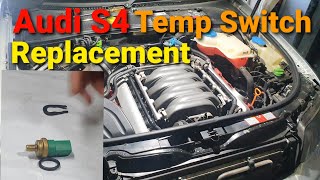
🎬 Watch this walkthrough of the S4 4.2 sensor replacement.Choosing the Right Aftermarket Sensor
You don't need to buy a genuine Audi part to fix this issue. Many aftermarket brands offer high-quality replacements. For a critical sensor like this, it's best to stick with reputable manufacturers.
- Tier 1 (OEM Quality): Brands like Hella, Vemo, and Delphi are known for making parts for European vehicles and are trusted choices for reliability and accurate readings.
- Tier 2 (Reputable Aftermarket): Brands such as Beck Arnley, Standard Ignition (SMP), and Facet offer a good balance of quality and value. They are widely available and considered reliable by many owners and shops.
- Tier 3 (Budget): While budget options exist, using the cheapest available sensor is not recommended. Inaccurate temperature readings can negatively affect engine performance and fuel economy, negating any initial savings.
Pro Tip: Always make sure your new sensor comes with a new O-ring and retaining clip. Replacing these small items is critical for preventing leaks.
Cost of Replacing the Engine Coolant Temperature Sensor
| Part Type | Estimated Cost |
|---|---|
| New Aftermarket Sensor | $13.91 - $40.08 |
| Shop Labor | $150 - $250 |
| Total Professional Replacement | $165 - $290 |
Frequently Asked Questions
Why is the labor cost so high for such a cheap part?
The cost comes from the labor involved. On the S4 4.2L V8, the sensor is tucked away at the back of the engine in a very hard-to-reach spot. A mechanic needs to remove several other components just to get to it, which can take 1 to 1.5 hours.
Can I replace the coolant temperature sensor myself?
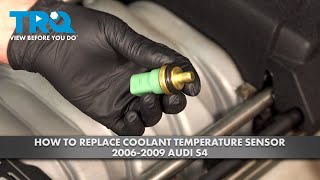
Yes, it is possible for a skilled DIYer. However, be prepared for a challenge due to the tight workspace. You will need to work by feel for part of the job. Watch several online video guides to understand 🎬 See a step-by-step guide for 2006-2009 S4 models. the process before you begin. You must work on a cold engine and be prepared for coolant to spill when the old sensor is removed.
Is there a recall for the coolant temperature sensor on the 2004-2008 S4?
No, there are no specific recalls or technical service bulletins (TSBs) from Audi or the NHTSA for the engine coolant temperature sensor on this vehicle.
My temp gauge reads cold, but the engine feels hot. Is this the sensor?
This is a classic symptom of a failed ECT sensor. The sensor has two internal circuits: one for the gauge and one for the engine computer. It's common for the gauge circuit to fail while the ECU circuit still works, or vice-versa. An erratic or non-functioning gauge is a strong indicator that the sensor needs to be replaced.
Helpful Videos
Technical Specifications
OEM Part Numbers: 059919501A 078919501C
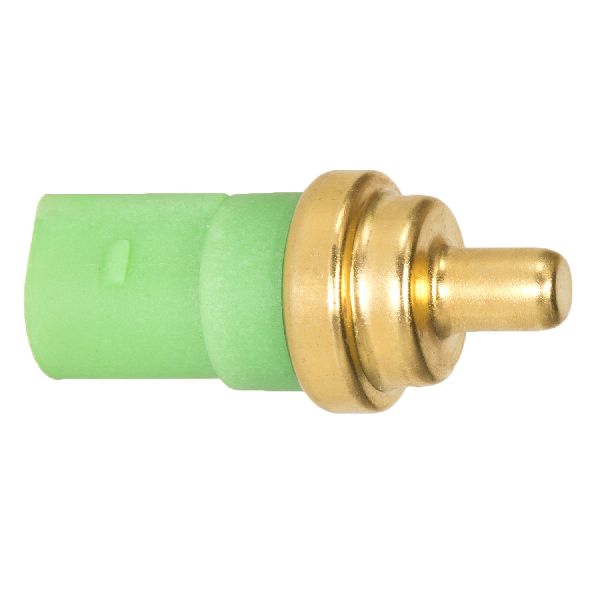
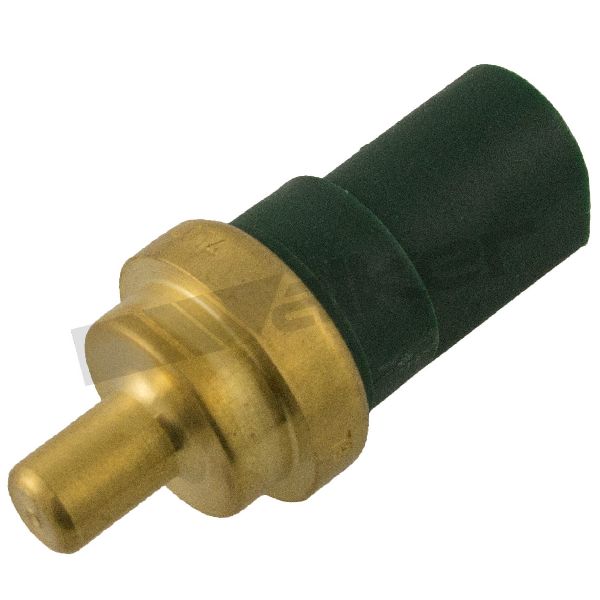
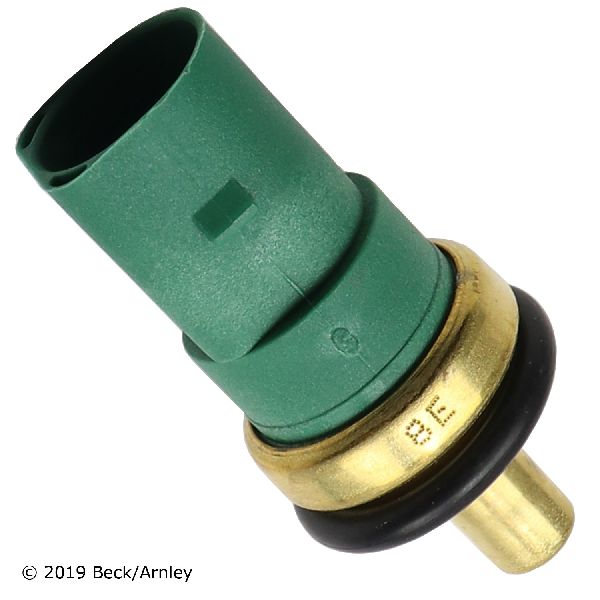
This is a 4-pin sensor that includes connections for both the ECU and the dashboard temperature gauge. It is secured by a plastic retaining clip and sealed with a rubber O-ring.
We Have This Part in Stock


The information in this article is provided for general reference and educational purposes only. Vehicle specifications, procedures, and part compatibility can vary by production date, trim level, and region. Always consult your vehicle's factory service manual and verify part numbers before purchasing or performing repairs. Safety-critical components such as airbags, seat belts, and braking systems should be installed by a qualified professional.
- Audi S4: