

Your Guide to the 2004-2008 Chrysler Crossfire Automatic Transmission Cooler
Understanding the Crossfire's unique transmission cooling system is key to preventing costly repairs and ensuring longevity.
- The biggest risk is the factory radiator's internal cooler failing, mixing coolant and transmission fluid, which destroys the transmission.
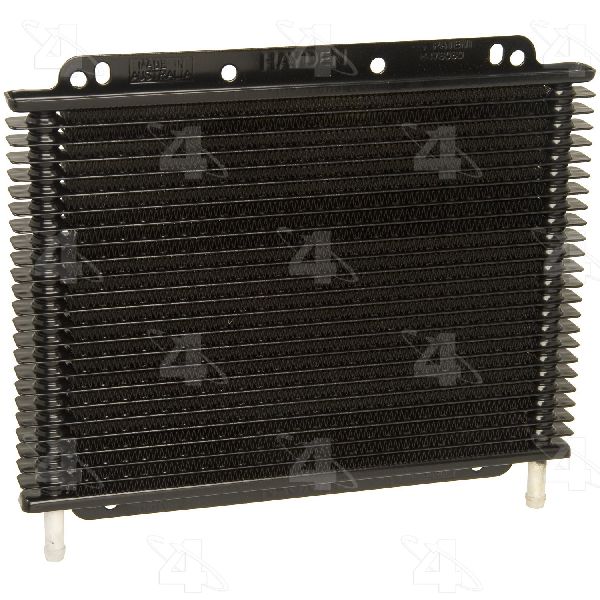
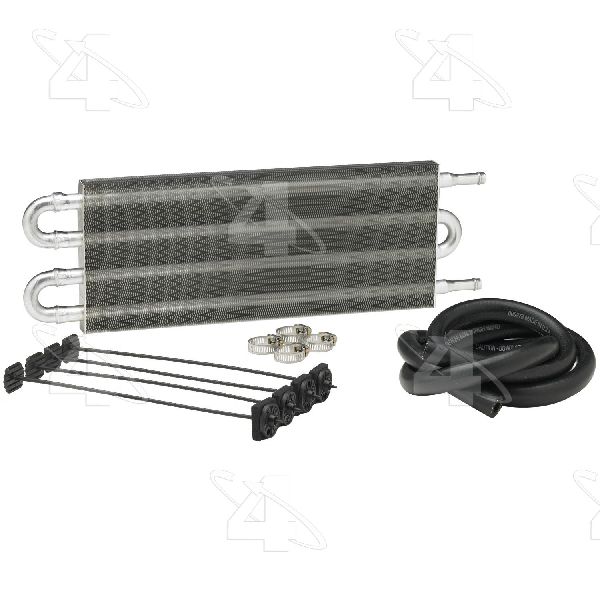
- Consider installing a separate aftermarket cooler (like from Hayden) to bypass the radiator, permanently preventing the coolant contamination issue.
- Look for fluid leaks, poor shifting, or milky-looking transmission fluid as signs of a problem.
- Always use transmission fluid that meets Mercedes-Benz specifications (e.g., MB 236.14) for the 722.6 transmission.
Understanding Your Crossfire's Transmission Cooling System
Your 2004-2008 Chrysler Crossfire is fundamentally a Mercedes-Benz SLK320 in a different body. This means it shares the robust but particular Mercedes 722.6 automatic transmission. A critical component for this transmission's health is the oil cooler. Its primary job is to remove heat from the automatic transmission fluid (ATF). Hot fluid leads to rapid transmission wear, poor shifting, and eventual failure.
The factory setup for the Crossfire involves an integrated cooler built into the end tank of the engine's radiator. Hot ATF is pumped from the transmission, through lines to the radiator, where it's cooled, and then circulated back. While efficient, this design has a well-known potential failure point.
Known Issue: Internal Radiator Failure
The most significant known issue for this system is the failure of the internal wall between the coolant and the transmission fluid inside the radiator. When this barrier breaks down, engine coolant mixes with your transmission fluid. This contamination is catastrophic for the transmission clutches and electronics, often requiring a complete transmission rebuild or replacement if not caught immediately. This is a common problem on Mercedes vehicles from this era that used a similar radiator design.
Symptoms of a Failing Transmission Cooler
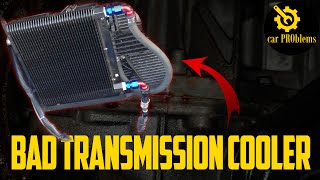
Catching a problem early can save you from a multi-thousand dollar 🎬 Watch this guide on symptoms and costs of cooler failure. transmission repair. Look out for these signs:
- Leaking Fluid: Reddish transmission fluid puddles under the front of the car can indicate a leak from the cooler lines or the cooler itself.
- Overheating Transmission: The car may feel sluggish, shifts can become harsh or delayed, and in some cases, the car will go into "limp mode" to protect itself.
- Contaminated Fluid: If you check your transmission fluid and it appears milky, frothy, or looks like a strawberry milkshake, it means coolant has mixed with it. Stop driving immediately.
- Corroded Cooler Lines: The metal lines running to and from the radiator can corrode and leak over time.
Choosing the Right Aftermarket Cooler
When replacing your cooler, you have two main paths: a direct replacement radiator with an integrated cooler, or bypassing the radiator and installing a dedicated external cooler. Many owners and mechanics prefer installing an external cooler to permanently eliminate the risk of coolant/ATF contamination.
Aftermarket brands like Hayden, Four Seasons, and Global Parts offer solutions.
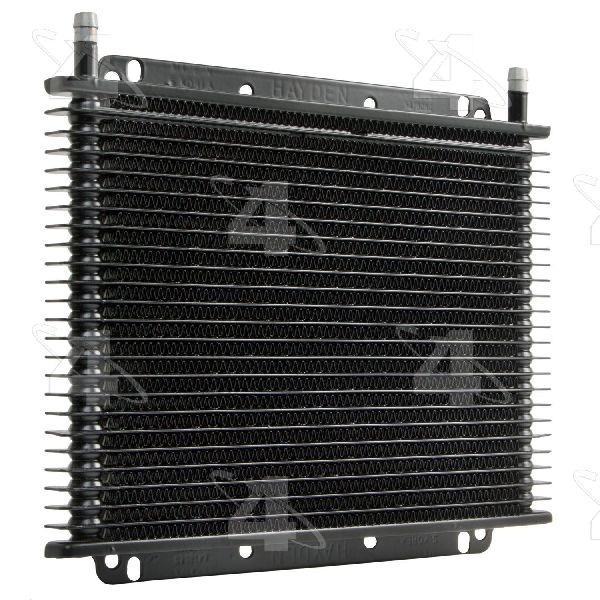
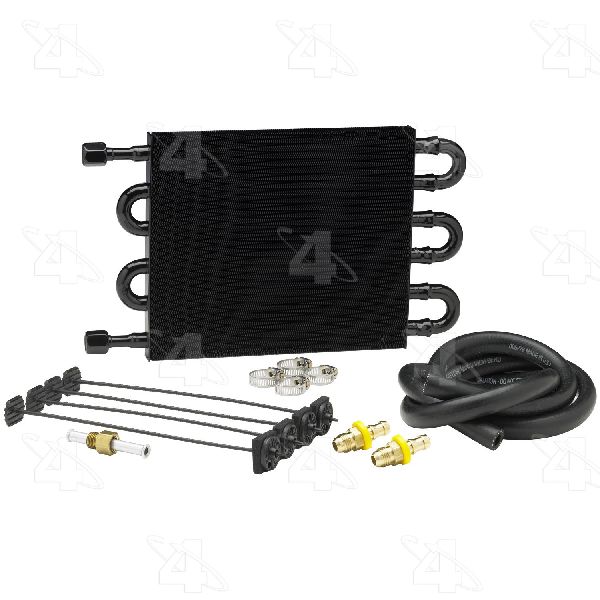
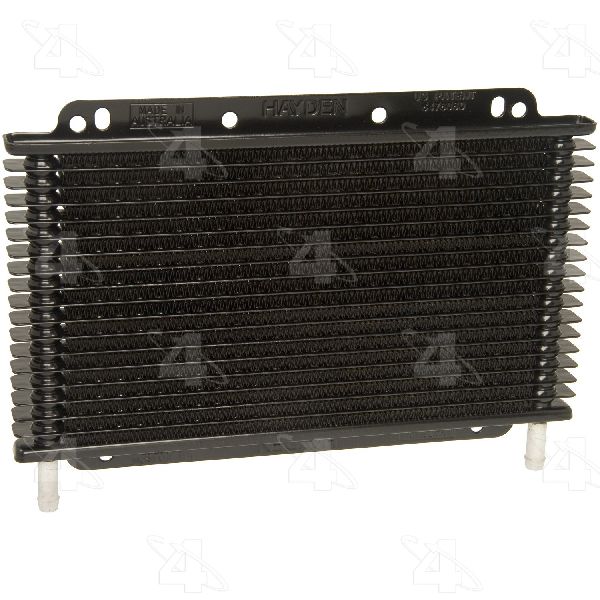
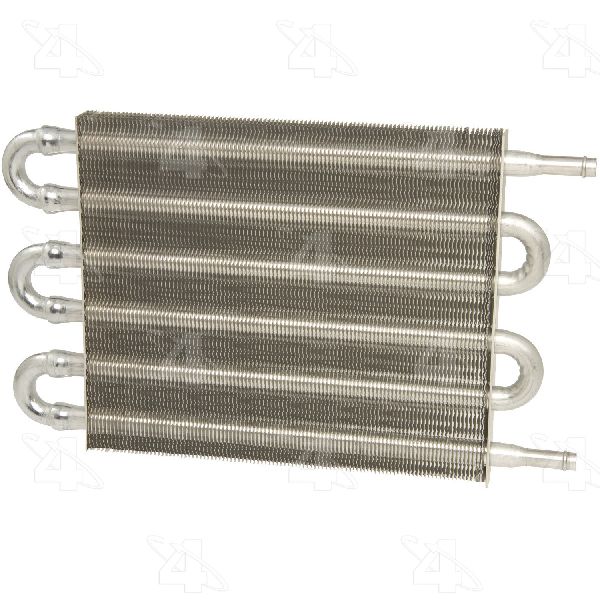
- Hayden: A very popular brand known for universal-fit plate-and-fin or tube-and-fin coolers. They are often used as an upgrade or to bypass the stock radiator cooler. They are generally considered reliable and effective.
- Four Seasons: This brand offers both universal coolers and direct-fit components for the cooling system. They are a standard aftermarket replacement choice, providing OE-comparable quality.
- Global Parts: This supplier also provides various cooling system components, often focusing on OE-style replacements.
Pro Tip: Bypass the Radiator
For long-term peace of mind, many Crossfire owners install an external, air-cooled transmission cooler and bypass the problematic internal radiator cooler completely. A small Hayden or similar cooler mounted in front of the A/C condenser is a common and effective modification that permanently separates the transmission fluid from the engine coolant.
Cost to Replace a Transmission Oil Cooler (2004-2008 Chrysler Crossfire)
| Part / Service | Estimated Cost |
|---|---|
| New Aftermarket Cooler | $51.93 - $95.39 |
| New OEM Cooler (Mopar/Mercedes) | $40 - $120 (part only, may be integrated in radiator) |
| Shop Labor for Cooler Line Replacement | $191 - $553 (depending on line vs. full cooler) |
| Shop Labor for Radiator Replacement (includes cooler) | $300 - $600+ |
*Costs are estimates and can vary based on your location, the specific parts used, and the complexity of the job. A full radiator replacement will be more expensive than adding a small bypass cooler.
Frequently Asked Questions
Is there a recall on the Crossfire transmission cooler?
No, there are no specific recalls on the NHTSA database for the transmission cooler itself on the 2004-2008 Chrysler Crossfire. There was a recall for other Chrysler vehicles for cooler lines, but it did not include the Crossfire.
Can I replace the transmission cooler myself?
For an experienced DIY mechanic, yes. Replacing the cooler lines or adding a bypass cooler is feasible. It involves draining fluid, accessing tight spaces, and properly securing new lines. Replacing the entire radiator is a more involved job. If you are not comfortable with these tasks, professional installation is recommended.
What kind of fluid do I need after replacing the cooler?
The 722.6 transmission is very specific about its fluid. You must use a fluid that meets Mercedes-Benz specifications MB 236.10, 236.12, or 236.14. Using generic ATF will cause shifting problems and damage the transmission.
Should I just replace the lines or the whole cooler?
If only a line is leaking, you might be able to replace just that part. However, given the age of the vehicle and the known risk of the internal cooler failing, many owners opt to replace the radiator or install a bypass cooler at the same time for preventative maintenance.
Helpful Videos
Technical Specifications
OEM Part Numbers: 5099379AA 5135384AA 5099773AA 5135386AA
The primary component is the cooler integrated within the engine radiator. External lines connect the transmission to ports on the radiator's passenger side. Aftermarket solutions are often universal plate-and-fin or tube-and-fin style coolers.
We Have This Part in Stock

The information in this article is provided for general reference and educational purposes only. Vehicle specifications, procedures, and part compatibility can vary by production date, trim level, and region. Always consult your vehicle's factory service manual and verify part numbers before purchasing or performing repairs. Safety-critical components such as airbags, seat belts, and braking systems should be installed by a qualified professional.
- Chrysler Crossfire:
- 🎬 Helpful Videos
- 🛍️ Shop This Part
- Understanding Your Crossfire's Transmission Cooling System
- Known Issue: Internal Radiator Failure
- Symptoms of a Failing Transmission Cooler
- Choosing the Right Aftermarket Cooler
- Pro Tip: Bypass the Radiator
- Cost to Replace a Transmission Oil Cooler (2004-2008 Chrysler Crossfire)
- Frequently Asked Questions
- 🎟️ Get 5% Off