

Chrysler Crossfire Engine Coolant Temperature Sensor Guide (2004-2008)
Solve overheating, poor fuel economy, and check engine lights on your Crossfire by understanding this critical sensor.
- A bad ECT sensor causes poor fuel economy, black smoke, and overheating.
- This is a DIY-friendly repair; the main challenge is accessing the sensor.
- Aftermarket brands specializing in German cars like Febi or Vemo are excellent choices for the Crossfire.
- Do not drive if the engine is overheating, as it can cause severe engine damage.
Is your Crossfire's temperature gauge acting up?
A faulty Engine Coolant Temperature (ECT) sensor can cause a surprising number of problems with your 2004-2008 Chrysler Crossfire. Since your car is built on a Mercedes-Benz SLK platform, its engine management system is very precise. A bad signal from this small sensor can lead to everything from bad gas mileage to serious overheating. This guide will help you understand the symptoms, choose the right aftermarket replacement part, and know what to expect during the repair.
Symptoms of a Failing ECT Sensor
When the ECT sensor starts to fail, it sends wrong information to your car's computer. This can make your Crossfire behave strangely. Here are the most common signs:
- Check Engine Light: This is often the first warning. The computer will log a fault code, usually P0115, P0117, or P0118.
- Poor Fuel Economy: The computer might think the engine is always cold, causing it to inject too much fuel.
- Black Smoke from Exhaust: A 'rich' fuel mixture (too much fuel, not enough air) can result in black smoke from the tailpipe.
- Engine Overheating: If the sensor doesn't tell the computer the engine is hot, the cooling fans won't turn on when they need to.
- Cooling Fans Always On: Sometimes the sensor fails in the opposite way, telling the computer the engine is always overheating. This can cause the radiator fan to run constantly, even when the engine is cold.
- Rough Idle or Misfiring: Incorrect fuel and timing adjustments can make the engine run poorly.
Don't Ignore an Overheating Engine
If your temperature gauge is in the red, pull over and shut off the engine as soon as it is safe. Driving an overheating engine can cause severe and expensive damage, like a warped cylinder head or blown head gasket.
Choosing the Right Aftermarket Sensor
You don't need to buy an expensive OEM part from a Chrysler or Mercedes dealer. Quality aftermarket sensors offer excellent performance for a fraction of the price. Because your Crossfire has a Mercedes-Benz engine, brands that specialize in German vehicles are often a great choice.
Here’s a breakdown of available brands:
- Top Tier (German Specialists): Brands like Febi, Vemo, and CRP are well-regarded for their quality and fit on German vehicles. Choosing one of these is a safe bet for your Crossfire.
- Reliable Aftermarket: Standard Ignition (Standard Motor Products) and Holstein are trusted names in the aftermarket. They produce reliable parts that meet or exceed OEM specifications and are widely available.
- Value Options: Brands like Walker Products, Four Seasons, and True Tech offer a balance of affordability and function for budget-conscious repairs.
Pro Tip: The sensor is a simple part. As long as you choose a reputable brand from the list above, you can be confident in the repair. The key is getting the part replaced promptly to avoid other issues.
Cost of Replacing the ECT Sensor on a Crossfire
The cost to fix this issue varies depending on whether you do it yourself or take it to a shop. The part itself is inexpensive.
| Item | Estimated Cost |
|---|---|
| New Aftermarket ECT Sensor | $8 - $30 |
| New OEM Mopar/Mercedes-Benz ECT Sensor | $15 - $50 |
| Shop Labor | $75 - $110 |
| Total Professional Repair | $90 - $160 |
| Total DIY Repair | $8 - $30 |
Note: Labor costs can vary by location. The professional repair estimate from RepairPal is higher, ranging from $242-$316, which may include diagnostics and higher part markups.
Frequently Asked Questions
Where is the engine coolant temperature sensor located on the Crossfire?
The ECT sensor is located at the front of the engine, near the thermostat housing. On the Crossfire's V6 engine, it can be somewhat difficult to reach because the secondary air injection pump is mounted above it.
Can I replace this sensor myself?
Yes, this is a DIY-friendly job for most home mechanics. It involves unplugging the electrical connector, removing a small retaining clip, and pulling the old sensor out. You will lose a small amount of coolant, so have some compatible coolant ready to top off the system afterward. The hardest part is often getting your hands into the tight space to release the clip.
Are there any recalls for this part on the Crossfire?
No, there are no specific recalls or Technical Service Bulletins (TSBs) from Chrysler or NHTSA for the engine coolant temperature sensor on the 2004-2008 Crossfire.
What happens if I don't replace a bad ECT sensor?
Ignoring a bad sensor will lead to continued poor engine performance, terrible gas mileage, and failed emissions tests. Most critically, it can lead to the engine overheating without warning, potentially causing catastrophic engine damage.
Technical Specifications
OEM Part Numbers: 5080147AA 0005425118
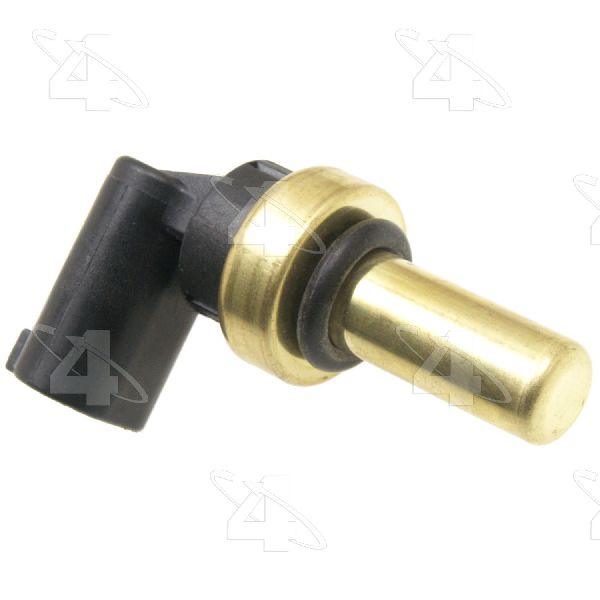
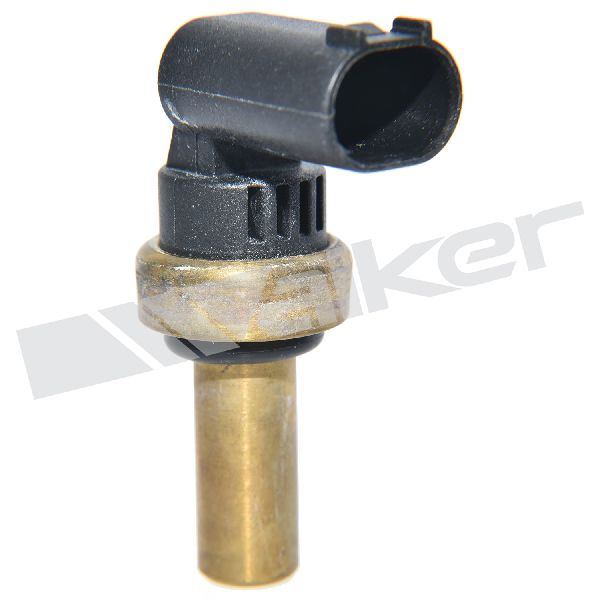
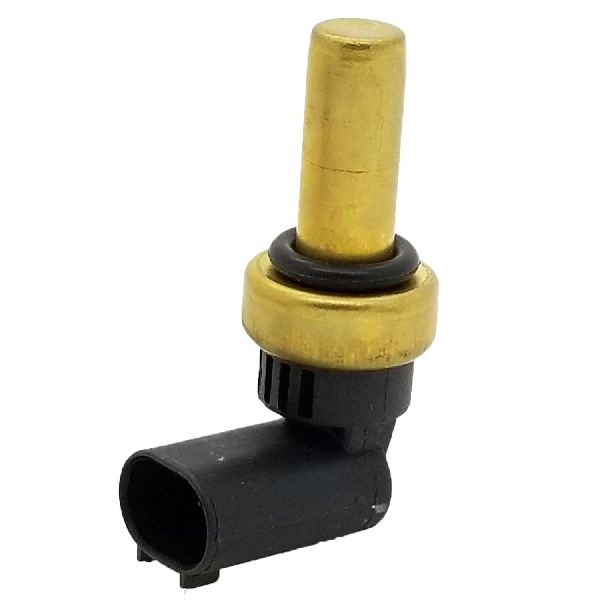
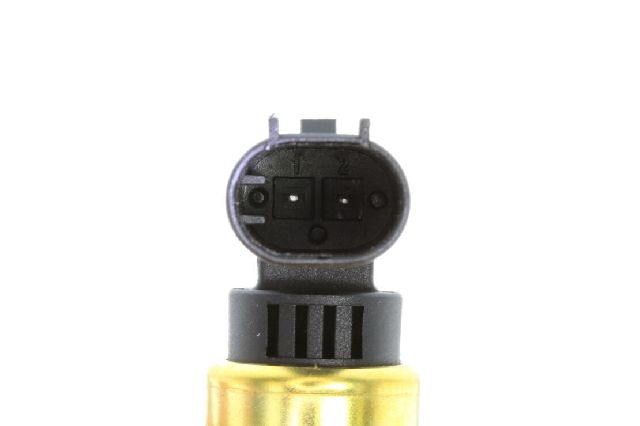
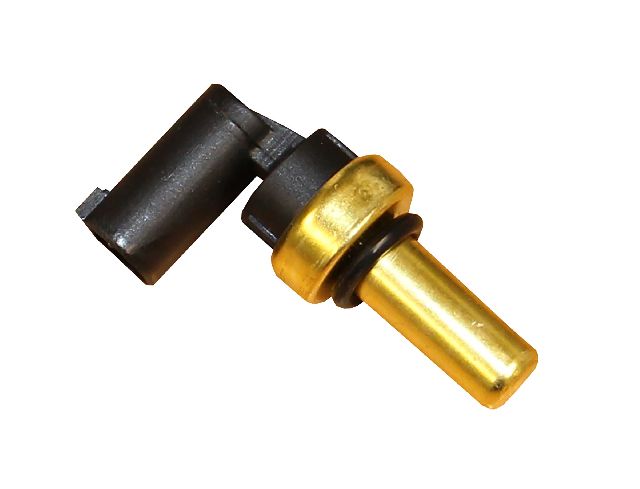
2-pin, push-in style sensor with o-ring seal and retaining clip.
We Have This Part in Stock


The information in this article is provided for general reference and educational purposes only. Vehicle specifications, procedures, and part compatibility can vary by production date, trim level, and region. Always consult your vehicle's factory service manual and verify part numbers before purchasing or performing repairs. Safety-critical components such as airbags, seat belts, and braking systems should be installed by a qualified professional.
- Chrysler Crossfire: