

A Charger Owner's Guide to Oxygen Sensor Replacement (2006-2008)
Fix your check engine light and poor fuel economy by choosing the right O2 sensor for your Charger.
- Your Charger has four O2 sensors; use a code reader to identify which one has failed before buying.
- For best results and to avoid compatibility issues, choose Denso or NGK (NTK) brand sensors, which are considered OEM-equivalent.
- Ignoring a bad O2 sensor will decrease fuel economy and can lead to costly damage to the catalytic converter.
- Replacing an O2 sensor is a manageable DIY task, but a special slotted socket is highly recommended.
Is a Bad Oxygen Sensor a Big Deal?
A failing oxygen sensor is a common issue on many vehicles, including the 2006-2008 Dodge Charger. While the car will still run, ignoring a bad O2 sensor can lead to bigger problems. The engine's computer receives incorrect information, often causing it to run 'rich'—using too much fuel. This wastes gas, increases emissions, and can eventually lead to the failure of your expensive catalytic converter. It's a repair you shouldn't put off.
Symptoms of a Failing O2 Sensor
The signs of a bad oxygen sensor are hard to ignore. If you experience any of these, it's time to investigate:
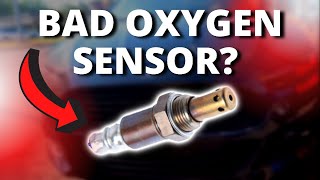
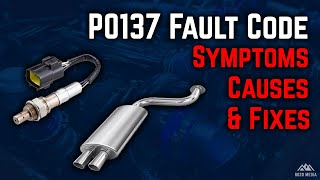
🎬 Watch: A visual guide to symptoms of a bad oxygen sensor- Check Engine Light: This is the most common symptom. A code reader will often show codes between P0130 and P0167, pointing to a specific sensor failure. 🎬 See why you should diagnose P0137 codes before buying parts
- Poor Fuel Economy: If you're filling up your tank more often, a bad O2 sensor is a likely culprit.
- Rough Idle or Misfires: An imbalanced air-fuel ratio can cause your Charger's engine to run unevenly, shake at stops, or misfire.
- Rotten Egg Smell: A strong sulfur smell from the exhaust indicates that unburned fuel is overheating the catalytic converter.
- Failed Emissions Test: A bad sensor will almost certainly cause your vehicle to fail a state emissions inspection.
A Note on the Vehicle Year
The prompt specified 2004-2008, but the sixth-generation Dodge Charger was produced for the 2006-2010 model years. This guide focuses on the 2006, 2007, and 2008 model years.
Choosing the Right Aftermarket O2 Sensor
When shopping for a new oxygen sensor, you'll find many brands. For your Dodge Charger, the brand you choose matters. Forum discussions and mechanic recommendations show that Chrysler vehicles can be particular about electronics. Here’s a breakdown of the available brands:
Tier 1: OEM Quality & Recommended
- Mopar: This is the official OEM parts brand for Dodge. You can't go wrong with Mopar, but it's often the most expensive option.
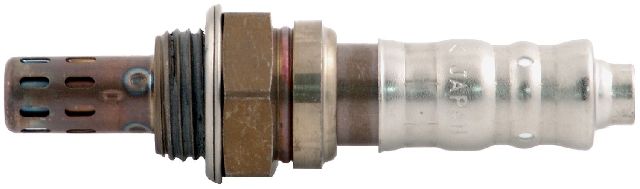
- Denso & NGK (NTK): These brands are widely considered to be the original equipment manufacturers for Mopar. Choosing Denso or NGK/NTK often means you're getting the exact same part as the Mopar-branded one, just in a different box and at a lower price. They are the most recommended aftermarket choice for reliability.
Tier 2: Reputable Aftermarket
- Delphi: A well-respected OEM supplier for many car brands, Delphi sensors are a solid choice with good performance.
- Bosch: While a top-tier brand for European cars, owner feedback for Chrysler vehicles is mixed. Some have no issues, while others report that Dodge engines don't always respond well to them. They can be a good value, but Denso or NGK are safer bets for this specific vehicle.
Tier 3: Economy Options
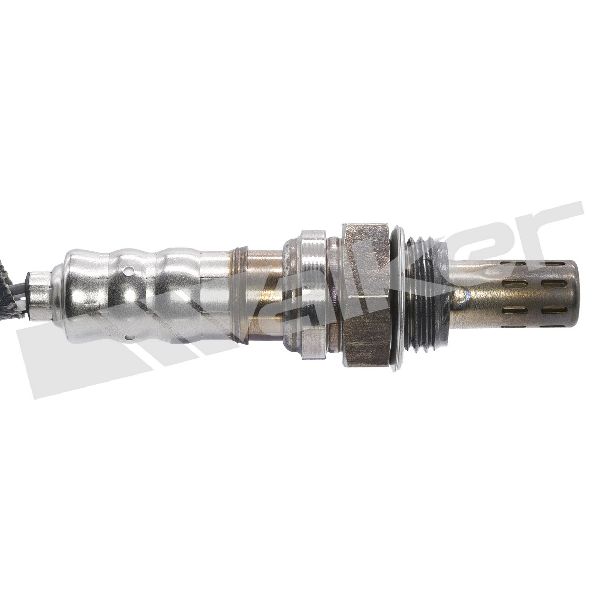
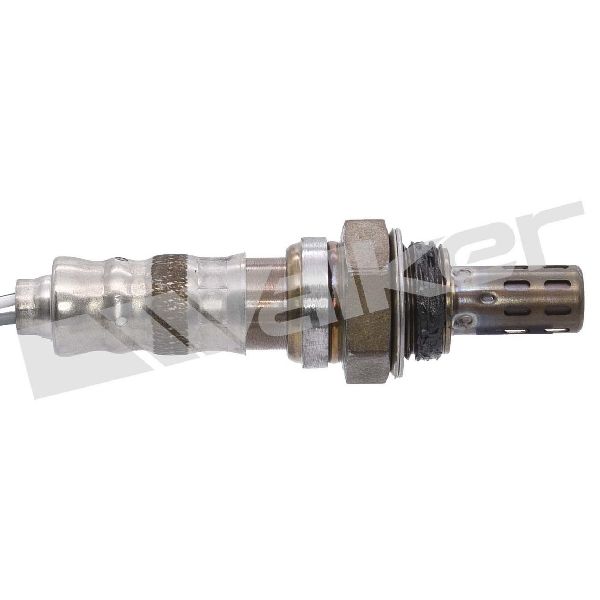
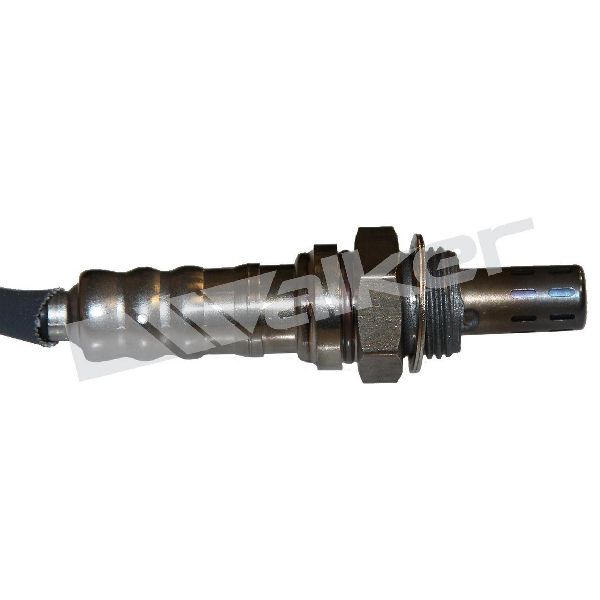
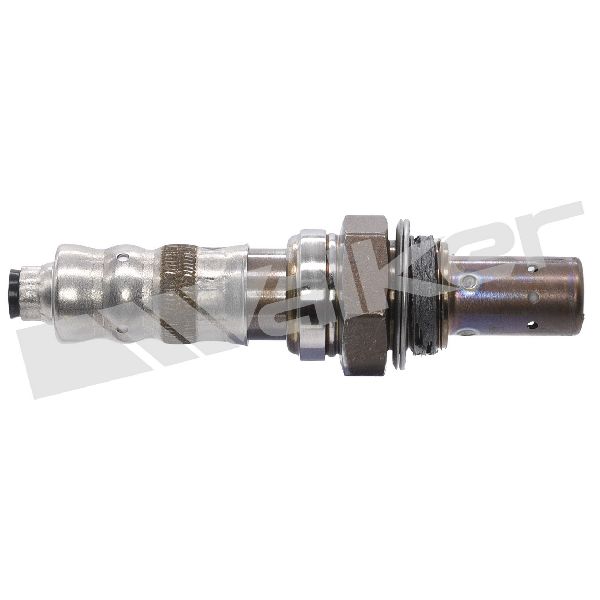
- Walker Products, Spectra, Crown, DriveWire: These brands offer a budget-friendly solution. They can get the job done and turn off your check engine light, but their longevity and performance may not match the higher-tier brands. A mechanic on a forum noted that Walker is an acceptable but not top-tier brand. These are best for those on a tight budget who need a quick fix.
Pro Tip: Upstream vs. Downstream
Always verify if you need an upstream (before the cat) or downstream (after the cat) sensor. Also, confirm the specific location (Bank 1 or Bank 2). V6 and V8 engines have different numbers of sensors in different locations. For example, V8 models have four sensors—two upstream and two downstream. Ordering the wrong one is a common and frustrating mistake.
Cost of Replacing a Dodge Charger Oxygen Sensor
| Item | Estimated Cost |
|---|---|
| New Aftermarket Oxygen Sensor | $32.90 - $145.68 |
| New OEM (Mopar) Oxygen Sensor | $75 - $150+ |
| Shop Labor Cost | $57 - $84 |
| Total Professional Replacement | $258 - $320+ |
Frequently Asked Questions
How many oxygen sensors does my 2006-2008 Charger have?
It depends on your engine. V6 and V8 (HEMI) models both have four oxygen sensors: two upstream (Bank 1 Sensor 1, Bank 2 Sensor 1) and two downstream (Bank 1 Sensor 2, Bank 2 Sensor 2). Always confirm the exact location of the failed sensor using a code reader before ordering a part.
Can I replace just one O2 sensor?
Yes, you only need to replace the sensor that has failed. However, O2 sensors have a similar lifespan, typically 60,000 to 100,000 miles. If one has failed due to age, the others may not be far behind. Some owners choose to replace them in pairs (both upstream or both downstream) for balanced performance.
Is this a difficult DIY job?
For a home mechanic, this is a very feasible job. The difficulty is usually a 2 out of 5. The main challenge is often the sensor being seized in the exhaust pipe due to rust and heat cycles. Using a special slotted O2 sensor socket and some penetrating oil will make the job much easier. The sensors are located underneath the car in the exhaust system.
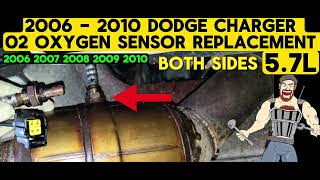
🎬 Watch: Step-by-step O2 sensor replacement tutorial for your ChargerAre there any recalls or TSBs for this issue?
Searches for the 2006-2008 Dodge Charger did not reveal any specific recalls with the NHTSA for oxygen sensors. A Technical Service Bulletin (TSB 25-002-14) was found for 2010-2012 Ram trucks with Cummins engines related to O2 sensor wiring, but it does not apply to this generation of Charger. No widespread issues were found specifically for this part on this vehicle.
Helpful Videos
Technical Specifications
OEM Part Numbers: 56029049AA 56029050AA 56028994AB
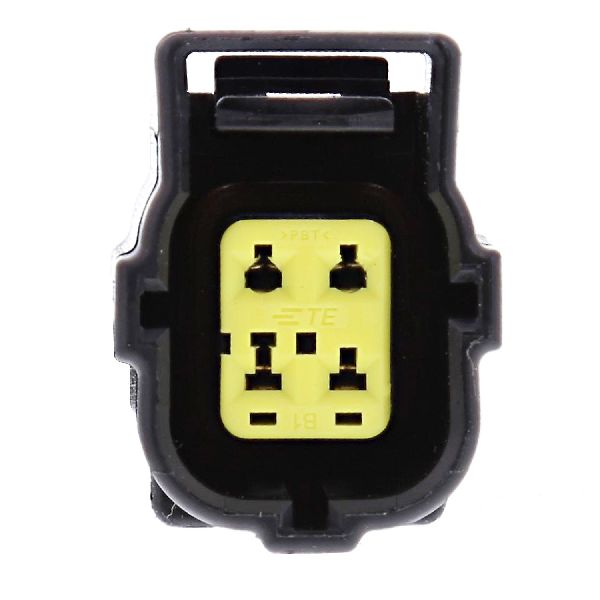
Number of Sensors: 4 (2 upstream, 2 downstream). Connector Type: Vehicle-specific 4-pin square connector. All sensors for this generation are heated.
We Have This Part in Stock

The information in this article is provided for general reference and educational purposes only. Vehicle specifications, procedures, and part compatibility can vary by production date, trim level, and region. Always consult your vehicle's factory service manual and verify part numbers before purchasing or performing repairs. Safety-critical components such as airbags, seat belts, and braking systems should be installed by a qualified professional.
- Dodge Charger:
- 🎬 Helpful Videos
- 🛍️ Shop This Part
- Is a Bad Oxygen Sensor a Big Deal?
- Symptoms of a Failing O2 Sensor
- A Note on the Vehicle Year
- Choosing the Right Aftermarket O2 Sensor
- Tier 1: OEM Quality & Recommended
- Tier 2: Reputable Aftermarket
- Tier 3: Economy Options
- Pro Tip: Upstream vs. Downstream
- Cost of Replacing a Dodge Charger Oxygen Sensor
- Frequently Asked Questions
- 🎟️ Get 5% Off