

A Guide to the HVAC Heater Hose for the 2004-2008 Dodge Durango
Keep your engine cool and your cabin warm by understanding the signs of a failing heater hose on your Durango.
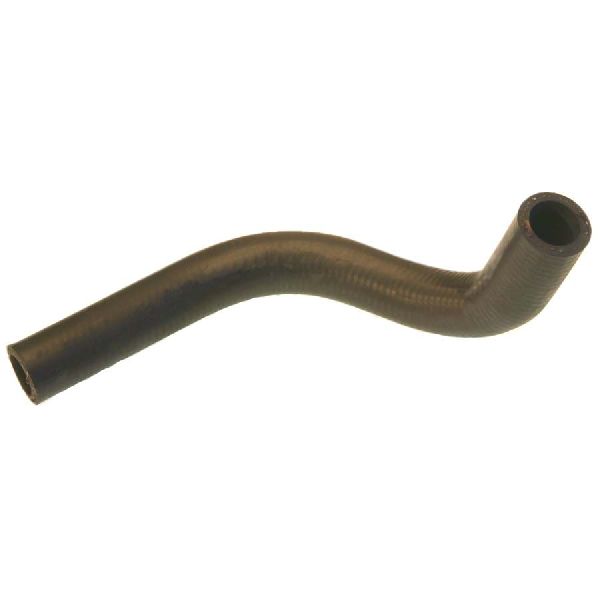
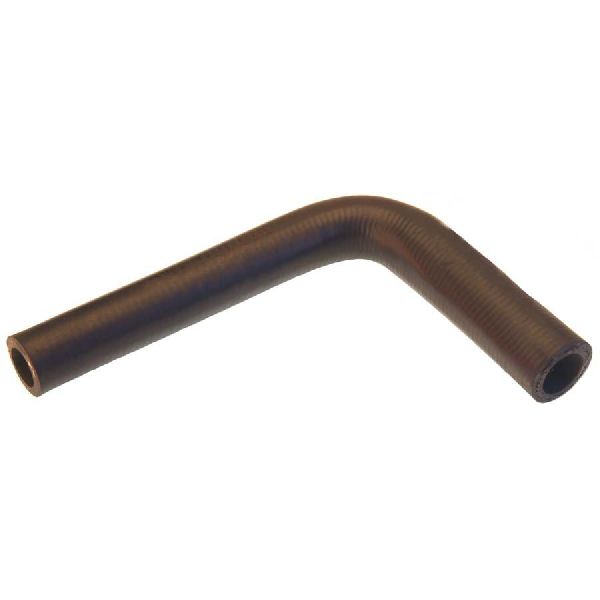
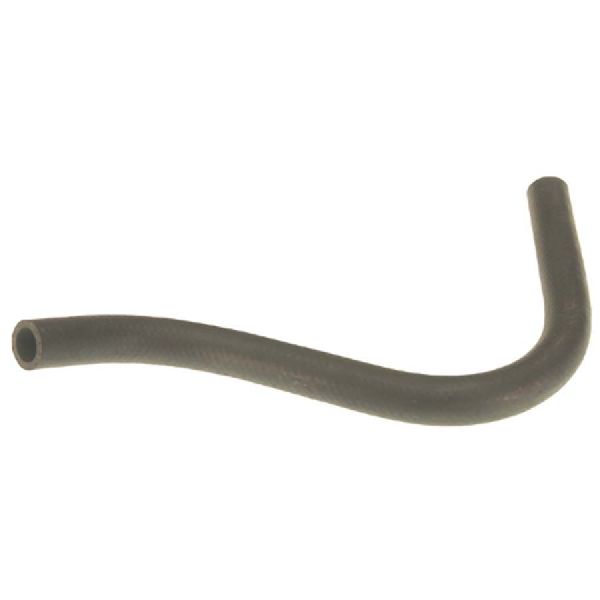
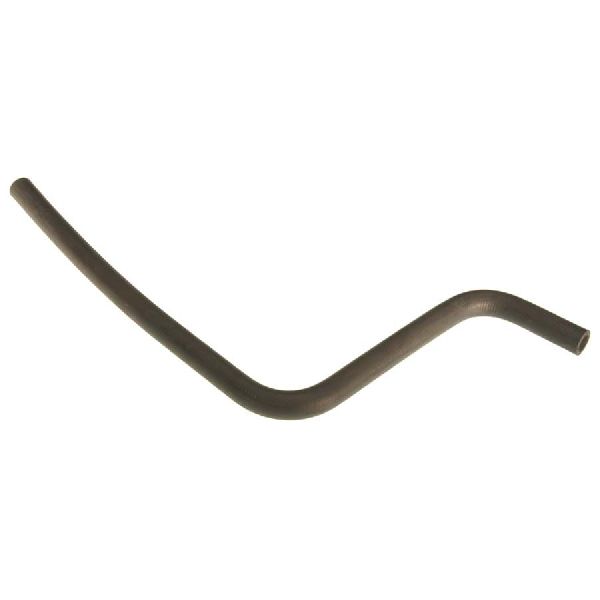
- Visually confirm your Durango's existing hose layout before ordering a new part, as configurations vary by engine.
- Aftermarket brands like Gates and Continental offer reliable, OEM-quality replacements at a lower cost.
- Always replace hose clamps with new ones during installation to ensure a leak-free seal.
- A coolant leak is a serious issue; driving with a low coolant level can lead to severe engine damage from overheating.
Symptoms of a Failing Heater Hose
Heater hoses wear out over time from constant exposure to high temperatures and pressure. The rubber can become brittle, crack, or swell. If you notice any of these signs, it's time to inspect your hoses.
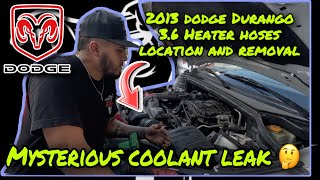
- Coolant Leaks: This is the most obvious symptom. You may find puddles of orange, green, or pink fluid 🎬 Watch: Finding and fixing a mysterious Durango heater hose leak under your Durango, often near the back of the engine by the firewall. You might also see white or colored crusty residue on the hoses themselves.
- Sweet Smell: Antifreeze has a distinct sweet smell. If you notice this smell inside or outside your truck, it's a strong indicator of a coolant leak.
- Engine Overheating: A significant leak will lower the coolant level in your system, causing the engine temperature gauge to rise into the red zone. This is a critical warning that can lead to severe engine damage if ignored.
- No Heat in the Cabin: If a hose is clogged or has a major leak, not enough hot coolant can reach the heater core. This will result in cold air blowing from your vents, 🎬 See this walkthrough for troubleshooting common Durango HVAC issues even when the heat is on.
- Visible Hose Damage: Pop the hood and look at the hoses. Any hose that is swollen, bulging, cracked, or feels soft and mushy needs to be replaced immediately.
Choosing the Right Aftermarket Part
For a 2004-2008 Dodge Durango, you don't need to pay high dealership prices for a quality heater hose. Reputable aftermarket brands provide parts that meet or exceed original equipment (OEM) specifications. The key is getting the correct part for your specific engine (3.7L V6, 4.7L V8, or 5.7L Hemi V8), as the hose assemblies can be very different.
Brand Quality: Continental vs. Gates
Both Continental and Gates are well-respected brands that manufacture high-quality aftermarket hoses. Many professional mechanics use them as reliable alternatives to OEM parts.
- Gates: A very popular brand known for making hoses that resist electrochemical degradation, which is a leading cause of failure from the inside out. Their molded hoses are designed to be similar to OEM specifications.
- Continental: Also a top-tier OEM supplier, Continental (sometimes branded as ContiTech) produces excellent rubber products. Their hoses are known for durability and are considered an OEM-quality choice.
For your Durango, you can choose either brand with confidence. The best choice often comes down to price and immediate availability. Both use high-quality EPDM rubber that meets industry standards for temperature and pressure.
Cost to Replace a Dodge Durango Heater Hose
| Part Type | Estimated Cost |
|---|---|
| New Aftermarket (Continental, Gates) | $21 - $94 |
| New OEM (Mopar) | $140 - $470+ |
| Shop Labor | $110 - $350+ |
| Total Estimated Cost (Aftermarket Part) | $131 - $444+ |
Note: Costs are estimates and can vary based on your location, your Durango's specific engine, and the complexity of the hose assembly. Some assemblies are much more labor-intensive to replace.
Frequently Asked Questions (FAQ)
Are there any recalls for the 2004-2008 Durango heater hose?
No. Searches of the National Highway Traffic Safety Administration (NHTSA) database do not show any recalls or widespread technical service bulletins (TSBs) for heater hose failures on the 2004-2008 Dodge Durango. Failures are typically due to the age and wear of the rubber parts.
Is replacing the heater hose a DIY job?
This job can be challenging. The hoses connect to the heater core at the firewall, which is a very tight space at the back of the engine bay. For some assemblies, you may need to remove the windshield wipers and the upper intake manifold for access. While DIY is feasible for an experienced person, it can be a frustrating job due to the difficult access. A beginner may want to leave this to a professional.
Should I replace the hose clamps too?
Yes, absolutely. Always use new hose clamps when installing a new hose. Spring clamps lose tension over time, and old worm-gear clamps can be corroded and damage the new hose. New clamps are a very cheap and effective way to prevent future leaks.
If one heater hose failed, should I replace the others?
Yes. All the coolant hoses on your engine have been exposed to the same heat and age. If one has cracked or become soft, the others are likely in similar condition. It is smart preventative maintenance to inspect all radiator and heater hoses 🎬 Watch: Step-by-step guide for replacing a Durango radiator and replace any that look worn.
Helpful Videos
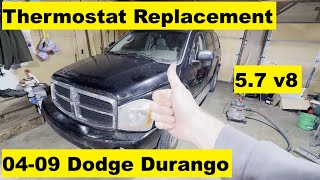

Technical Specifications
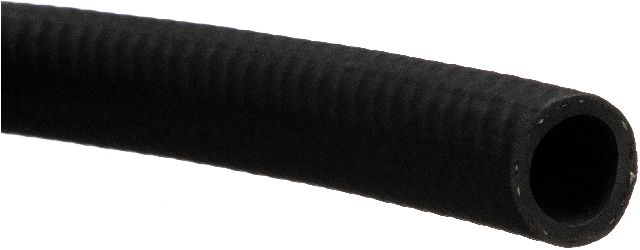
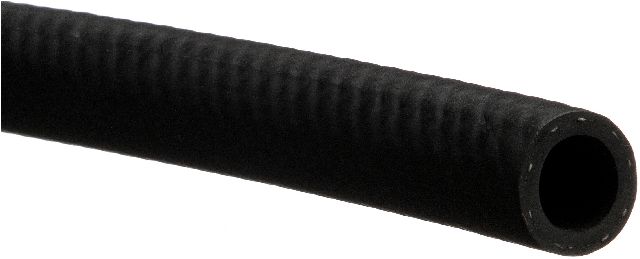
Heater hoses for the 2004-2008 Dodge Durango are engine-specific (3.7L, 4.7L, 5.7L) and can be simple molded hoses or complex assemblies with plastic connectors. They are typically made from EPDM rubber to resist heat and electrochemical degradation. Part numbers vary widely; visual confirmation is the best method to ensure a correct purchase.
We Have This Part in Stock

The information in this article is provided for general reference and educational purposes only. Vehicle specifications, procedures, and part compatibility can vary by production date, trim level, and region. Always consult your vehicle's factory service manual and verify part numbers before purchasing or performing repairs. Safety-critical components such as airbags, seat belts, and braking systems should be installed by a qualified professional.
- Dodge Durango: