

Ford E-150 Econoline (2004-2008) Radiator Coolant Hose Replacement Guide
Keep your Econoline's engine from overheating by learning to spot and replace a failing radiator hose.
- A failing radiator hose can cause critical engine overheating; do not ignore symptoms like leaks or a high temperature gauge.
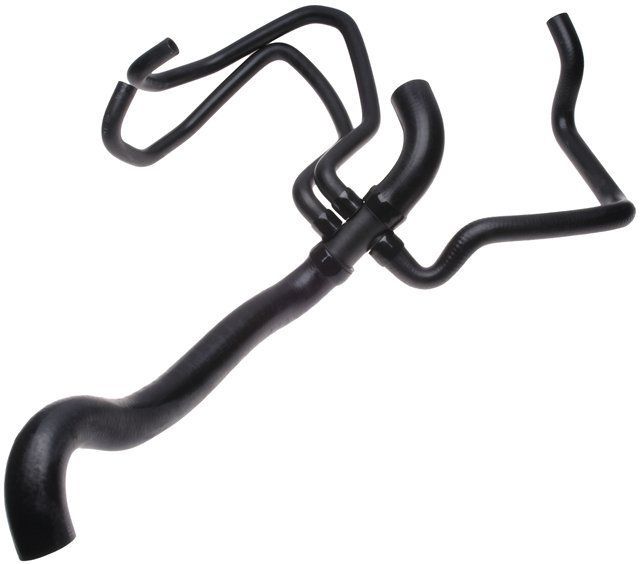
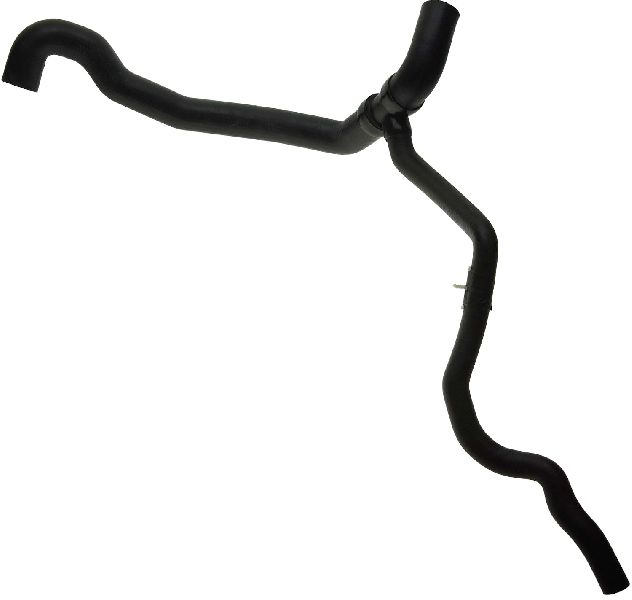
- The lower radiator hose on the E-150 is often a complex assembly with multiple branches, making it a more involved replacement than the upper hose.
- A quality aftermarket brand like Gates is a trusted and cost-effective alternative to more expensive OEM Motorcraft parts for this repair.
- Always inspect hoses for softness, swelling, or cracks, especially if you have oil leaks that could be contaminating the rubber.
Is Your E-150's Radiator Hose Failing?
The radiator hoses in your 2004-2008 E-150 work in a high-pressure, high-heat environment. Over time, the rubber breaks down from the inside out. Oil leaks from other parts of the engine can also spill onto the hoses, causing the rubber to swell, soften, and fail prematurely. Because a sudden hose failure can leave you stranded with an overheating engine, it's important to inspect them regularly and replace them at the first sign of trouble.
Key Failure Symptoms
- Coolant Leaks: This is the most obvious sign. You may find puddles of green, yellow, or orange fluid under the front of your van. You might also notice a sweet smell after driving.
- Visible Damage: Look for cracks, splits, or abrasions on the hose surface. Check for bulging or swelling, which indicates the hose is weak and could burst soon.
- Spongy or Hard Hoses: When the engine is cool, squeeze the hoses. They should be firm but flexible. If a hose feels mushy, soft, or rock-hard and crunchy, its internal structure has failed and it needs immediate replacement.
- Engine Overheating: If your temperature gauge climbs into the red or the coolant warning light comes on, a failing hose could be the cause. You might see steam coming from under the hood if a hose has burst.
Choosing the Right Aftermarket Hose
When it comes to replacing radiator hoses on your E-150, you have two main choices: OEM (Original Equipment Manufacturer) from Ford/Motorcraft or aftermarket parts from brands like Gates.
- OEM (Motorcraft): These are the exact same parts your van was built with. They offer a guaranteed fit and quality, but they are typically the most expensive option.
- Aftermarket (Gates): High-quality aftermarket brands specialize in making parts that meet or exceed OEM standards. Gates is a well-respected manufacturer of belts and hoses, and many professional mechanics trust their products as a reliable, cost-effective alternative to OEM. Their hoses are made from durable EPDM rubber designed to resist heat, chemicals, and electrochemical degradation, which is a leading cause of hose failure.
For the 2004-2008 E-150, a quality aftermarket hose from Gates is a smart choice that provides OEM-level performance and durability without the high dealer price tag.
Estimated Replacement Costs
The cost to replace a radiator hose depends on the specific hose (upper vs. lower assembly) and labor rates in your area. The lower hose on these vans is a complex assembly and costs more than a simple upper hose.
| Part Type | Estimated Cost |
|---|---|
| New Aftermarket Hoses (Gates) | $38 - $123 |
| New OEM Hose (Motorcraft) | $75 - $346 |
| Shop Labor | $125 - $300 |
| Total Professional Job | $163 - $646 |
Note: Costs are estimates and will vary by location and which specific hose is being replaced. The total job will also include the cost of new coolant.
Frequently Asked Questions (FAQ)
Should I replace both radiator hoses at the same time?
Yes. Radiator hoses are exposed to the same conditions and wear out at a similar rate. If one has failed, the other is likely not far behind. Replacing them together saves you from having to do the job twice and reduces the risk of another failure soon.
Do I need special tools to replace a radiator hose?
For the most part, you'll need basic hand tools like a screwdriver or socket for the clamps, and a drain pan. However, some spring-type clamps can be difficult to reach and remove without special hose clamp pliers. The connection at the engine block can be particularly hard to access.
Are there any recalls for the 2004-2008 E-150 radiator hoses?
No, as of early 2026, there are no specific NHTSA recalls for radiator or coolant hose failures on the 2004-2008 Ford E-150 Econoline. Recalls for this van generally pertain to other systems like fuel tanks or airbags.
What is the difference between the upper and lower radiator hose?
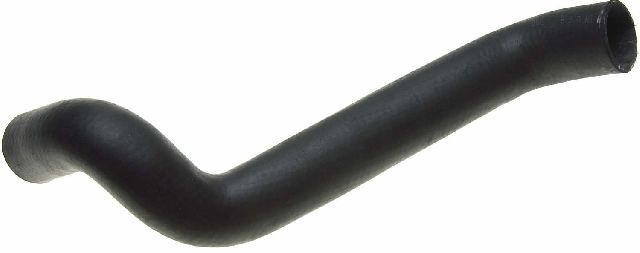
The upper hose connects the top of the engine to the top of the radiator and carries hot coolant away from the engine. The lower hose connects the bottom of the radiator to the engine's water pump to return cooled fluid. On these E-150 vans, the lower hose is often a complex assembly with several branches, sometimes called an "octopus" hose.
Technical Specifications
OEM Part Numbers: AC2Z-8260-A BC2Z-18472-CA KM-5105
Hoses are vehicle-specific and molded to fit the 4.6L or 5.4L V8 engines. They are typically made of EPDM rubber to resist heat and chemical breakdown. The lower hose is often a modular assembly with multiple integrated connectors and branches.
We Have This Part in Stock

The information in this article is provided for general reference and educational purposes only. Vehicle specifications, procedures, and part compatibility can vary by production date, trim level, and region. Always consult your vehicle's factory service manual and verify part numbers before purchasing or performing repairs. Safety-critical components such as airbags, seat belts, and braking systems should be installed by a qualified professional.
- Ford E-150 Econoline: