

A Guide to the Engine Intake Manifold Gasket Set for the 2004-2008 GMC Canyon
Experiencing a rough idle or mysterious check engine light on your GMC Canyon? Your intake manifold gaskets could be the problem.
- A rough idle and Check Engine Light with codes P0171 or P0300 are hallmark signs of a failed intake manifold gasket.
- ALWAYS check the PCV hose for cracks first; it's a common issue on these trucks and causes identical symptoms.
- High-quality aftermarket brands like ACDelco, Victor Reinz, and Fel-Pro offer reliable, cost-effective alternatives to dealer parts.
- While you can drive with a minor leak, it's best to repair it promptly to avoid poor performance and potential damage to other components.
Is Your Canyon's Intake Manifold Gasket Failing?
When the intake manifold gasket on your 2004-2008 GMC Canyon wears out, it typically causes a vacuum leak. This leak disrupts the engine's air-to-fuel ratio, leading to noticeable problems. Unlike some engines where this gasket also seals coolant, failure on the Canyon's 4-cylinder and 5-cylinder engines primarily results in air-related issues.
Common Symptoms of a Bad Gasket:
- Rough Idle: Your truck might shake or run unevenly when stopped. This is often worse when the engine is cold.
- Hissing Noises: A distinct sucking or hissing sound may be heard coming from the engine bay, which is the sound of air being pulled through a gap in the failed gasket.
- Check Engine Light: A vacuum leak will almost always trigger the check engine light. Codes like P0171 (System Too Lean) and P0300 (Random/Multiple Cylinder Misfire) are very common with this issue.
- Poor Fuel Economy: The engine's computer tries to compensate for the extra air, often by adding more fuel, which hurts your gas mileage.
- Reduced Power and Hesitation: Your truck may feel sluggish or hesitate during acceleration because the air-fuel mixture is incorrect.
CHECK THIS FIRST: The PCV Hose
Before you blame the intake gasket, inspect the Positive Crankcase Ventilation (PCV) hose. On this specific generation of GMC Canyon and its twin, the Chevy Colorado, a cracked or collapsed rubber PCV hose is a very common problem. It can cause the exact same symptoms as a bad intake gasket, including a rough idle and P0171/P0300 codes. This simple, inexpensive hose runs from the valve cover to the intake manifold and is much easier to replace. Always check this part first.
Choosing the Right Aftermarket Gasket Set
When it's time for a replacement, you don't have to go to the dealer. High-quality aftermarket gaskets are readily available and often provide excellent performance and value. The key is to choose a reputable brand.
Brand Tiers for Your Canyon
- OEM-Equivalent Quality (ACDelco): ACDelco is General Motors' own parts brand. Choosing an ACDelco gasket set is the closest you can get to buying the original part from the factory. It's a reliable, safe bet for fit and function, though sometimes at a slightly higher price than other aftermarket options.
- High-Quality Aftermarket (Victor Reinz, Fel-Pro): Brands like Victor Reinz and Fel-Pro are leaders in the gasket industry. They have a strong reputation for producing parts that meet or even exceed OEM specifications. Often, these brands will update a design to fix a known factory weakness. They represent a great balance of high quality and competitive pricing.
Ultimately, for a part like this, you can't go wrong with any of these three brands. The choice often comes down to price and availability.
Estimated Costs
| New Aftermarket Gasket Set | $28.17 - $67.03 |
| Shop Labor | $250 - $420 |
| Total Professional Replacement | ~$280 - $490+ |
While You're In There...
Since replacing the intake manifold gasket requires significant labor, it's smart to service other components in the area at the same time. Consider cleaning the throttle body to remove carbon buildup, which can solve idle issues. Also, inspect all other vacuum lines for cracks and replace the throttle body gasket.
Frequently Asked Questions
Can I still drive my Canyon with a leaking intake gasket?
You can, but it's not recommended for long. Driving with a vacuum leak can cause poor performance, bad fuel economy, and potentially lead to engine damage or catalytic converter failure over time. It's best to get it fixed as soon as possible.
Is replacing the intake manifold gasket a good DIY job?
For an experienced DIY mechanic, this is a manageable job that takes a few hours. It requires basic tools, patience, and careful labeling of hoses and connectors. If you are not comfortable with partially disassembling the top of your engine, it is best left to a professional.
Are there any recalls for the intake manifold gasket on the 2004-2008 Canyon?
No. Searches of the National Highway Traffic Safety Administration (NHTSA) database show no specific recalls for the intake manifold or its gaskets on this generation of GMC Canyon. Failures are typically due to the age and heat cycles of the part.
How do I know for sure if the gasket is leaking?
A common diagnostic trick is to spray a small, careful amount of carburetor cleaner or a propane torch (unlit) around the edge of the intake manifold where it meets the cylinder head while the engine is idling. If the engine's idle speed changes or stumbles, it confirms a vacuum leak in that area. This should be done with extreme caution, as you are spraying a flammable substance onto a running engine.
Technical Specifications
OEM Part Numbers: 89017367 89017589 17113557
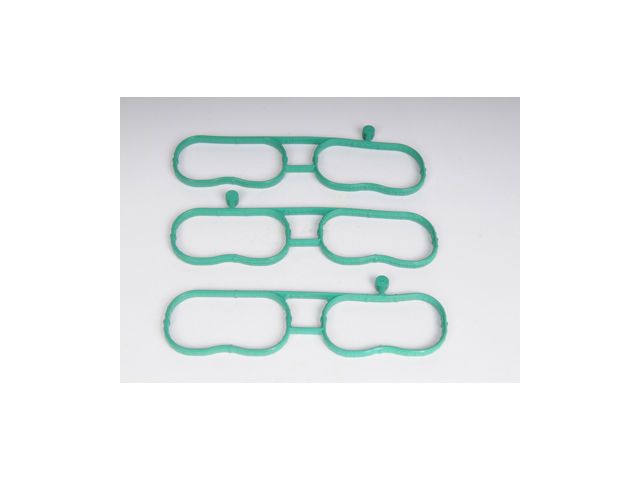
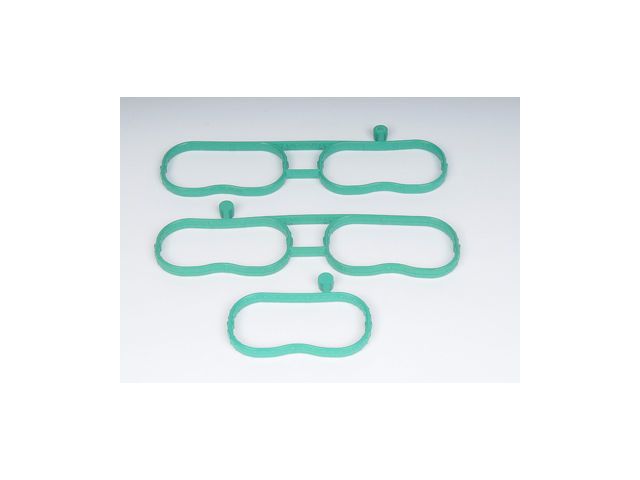
This gasket set is designed for the Atlas family of engines used in the 2004-2008 GMC Canyon, including the 2.8L LK5 I4 and the 3.5L L52 I5. The gaskets are typically made of a high-temperature rubber or composite material designed to seal the air intake runners against the cylinder head.
We Have This Part in Stock


The information in this article is provided for general reference and educational purposes only. Vehicle specifications, procedures, and part compatibility can vary by production date, trim level, and region. Always consult your vehicle's factory service manual and verify part numbers before purchasing or performing repairs. Safety-critical components such as airbags, seat belts, and braking systems should be installed by a qualified professional.
- GMC Canyon: