

A Guide to the Mass Air Flow Sensor for the 2004-2008 GMC Canyon
If your truck is running rough, hesitating, or getting poor gas mileage, a faulty Mass Air Flow sensor could be the culprit.
- A bad MAF sensor causes rough idle, poor acceleration, and bad gas mileage; common codes are P0101, P0102, P0103.
- Replacement is extremely easy, taking less than 15 minutes with just a screwdriver or small socket.
- For reliability, stick with OEM brands like ACDelco or top-tier aftermarket brands like Delphi and Hitachi.
- Always try cleaning the old sensor with dedicated MAF cleaner first, as it can sometimes solve the problem for under $15.
Is Your GMC Canyon Showing Signs of a Bad MAF Sensor?
When a Mass Air Flow (MAF) sensor starts to fail, it can cause a range of noticeable problems. Because the sensor provides incorrect air readings to the engine's computer, the air-fuel mixture becomes unbalanced. This can lead to a handful of symptoms that affect your truck's performance and drivability.
Common Failure Symptoms:
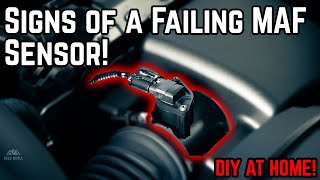
🎬 Watch this video to see common signs of a failing sensor.- Check Engine Light: This is often the first sign. The computer will detect a problem with the MAF sensor's signal and trigger a light on your dashboard. Common trouble codes include P0101, P0102, and P0103.
- Rough Idle: An unstable air-fuel ratio can make your engine idle erratically, shake, or even stall when you're stopped.
- Hesitation and Poor Acceleration: If the engine isn't getting the right fuel mixture, it will struggle to produce power, causing your truck to feel sluggish or jerk during acceleration.
- Reduced Fuel Economy: An incorrect reading can cause the computer to inject too much fuel, leading to more frequent trips to the gas station.
- Black Smoke from Exhaust: This is a clear sign that the engine is running too rich (too much fuel and not enough air), often caused by a faulty MAF sensor telling the computer to dump more fuel than needed.
Can I Just Clean It?
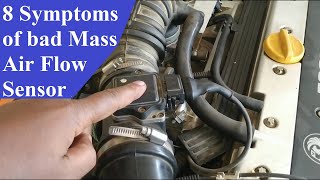
Sometimes, yes. The sensor's delicate wires can get dirty from oil vapors or fine dust, causing bad readings. Before buying a new one, you can try cleaning it with a dedicated MAF sensor cleaner spray. Never touch the sensor wires and only use cleaner specifically made for MAF sensors 🎬 See how to safely clean your GMC Canyon's MAF sensor., as other chemicals can damage it. If cleaning doesn't solve the problem, a replacement is necessary.
Choosing the Right Aftermarket MAF Sensor
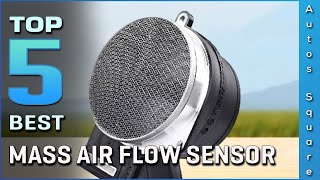
When it comes to critical engine sensors for your GMC Canyon, quality matters. While an OEM ACDelco part is the original, several aftermarket brands offer reliable alternatives. It's generally best to avoid the cheapest, no-name options, as forum users often report issues like rough running or incorrect shifting signals caused by poor-quality sensors.
Brand Quality Tiers
- Tier 1 (OEM or OEM-Equivalent): These are your most reliable options. ACDelco is the original GM part. Delphi was a spin-off from GM and is a major OEM supplier, making their parts a very safe bet. Hitachi is another well-regarded OEM supplier for many manufacturers. These brands are highly recommended for fit and function.
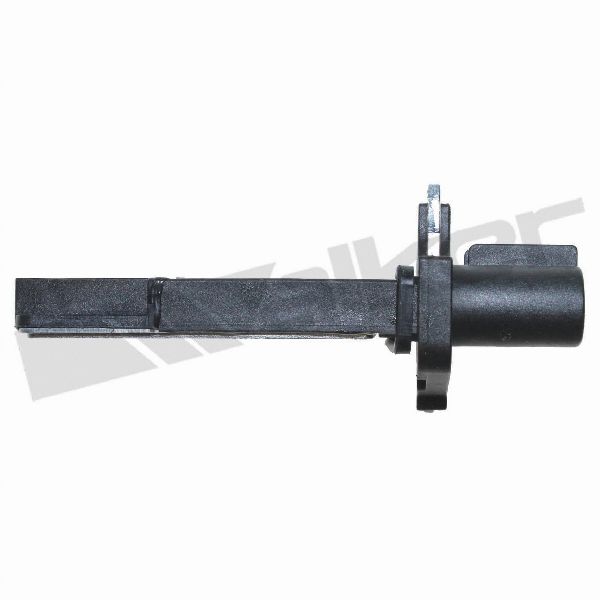
- Tier 2 (Reputable Aftermarket): Brands like NGK, Standard Ignition (SMP), and Walker Products have a long history of producing quality aftermarket components. They offer a good balance of price and performance and are generally considered reliable replacements.
- Tier 3 (Value-Oriented): This category includes brands like Cardone, Spectra, and various store brands. While they are more affordable, quality can be inconsistent. Some owners have reported issues with these sensors causing drivability problems that were only solved by switching to a higher-tier brand. Use with caution if you're sensitive to your truck's performance.
Pro Tip: After installing a new MAF sensor, it's a good idea to disconnect the battery's negative terminal for about 15 minutes. This resets the engine computer's learned values, allowing it to adapt quickly to the new, accurate sensor readings.
Cost of Replacing a MAF Sensor on a 2004-2008 GMC Canyon
The cost can vary depending on the brand you choose and whether you do the work yourself. This is a very simple DIY job that most owners can do in under 15 minutes with basic tools.
| Item | Estimated Cost |
|---|---|
| New Aftermarket MAF Sensor | $51 - $130 |
| New OEM (ACDelco) MAF Sensor | $95 - $150 |
| Shop Labor | $50 - $100 |
| DIY Total Cost | $51 - $130 |
| Shop Total Cost | $145 - $250+ |
Frequently Asked Questions
Is replacing the MAF sensor on a GMC Canyon hard to do?
No, it is one of the easiest parts to replace. It's held in by two small screws and has one electrical connector. The entire job can be done in less than 15 minutes with a screwdriver or a small socket.
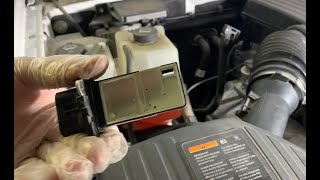
🎬 Follow this step-by-step guide to replace your sensor at home.Are there any recalls for the 2004-2008 GMC Canyon MAF sensor?
No. Searches of the National Highway Traffic Safety Administration (NHTSA) database show no recalls specifically for the Mass Air Flow sensor on this generation of GMC Canyon. There were recalls for other issues like brake light switches.
What tools do I need to replace the MAF sensor?
You will typically only need a screwdriver (often a T20 Torx) or a small socket set (a 5.5mm or 7/32" socket may be needed). The new sensor may even come with the required tool.
My check engine light is still on after replacing the sensor. What now?
First, ensure you disconnected the battery to reset the computer. If the light returns, the problem may lie elsewhere. A vacuum leak in the intake hose after the MAF sensor, a dirty throttle body, or a problem with another sensor can cause similar symptoms. It's best to have the codes re-scanned to see what the new issue is.
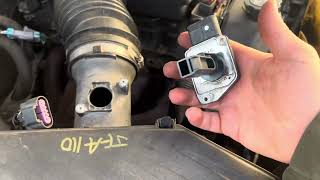
Helpful Videos
Technical Specifications
OEM Part Numbers: 12579352
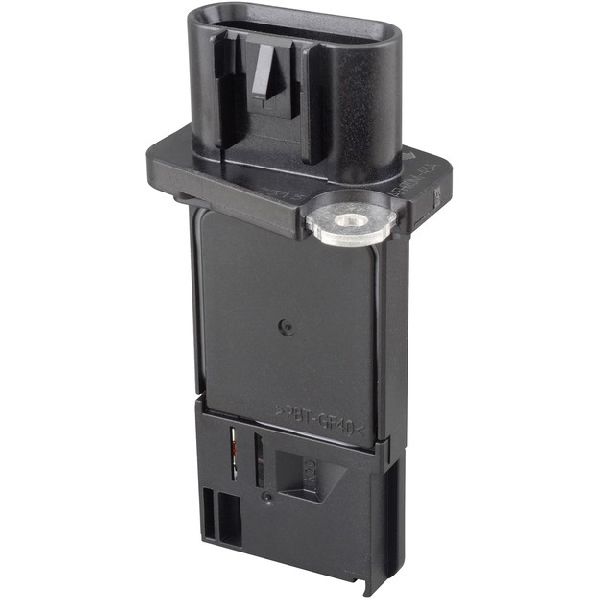
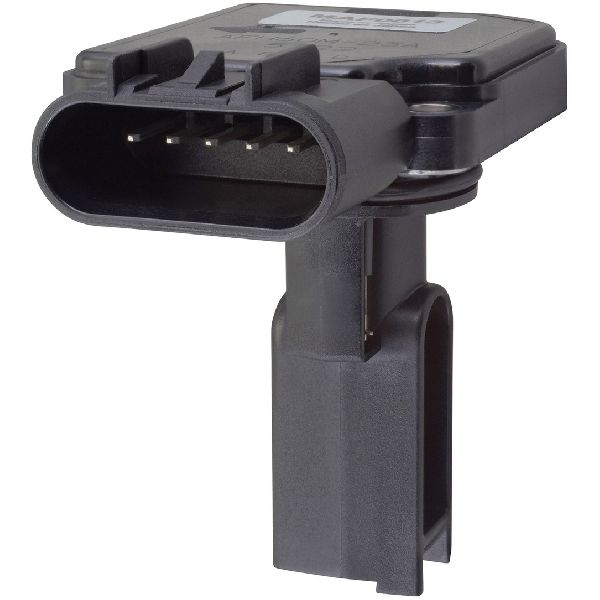
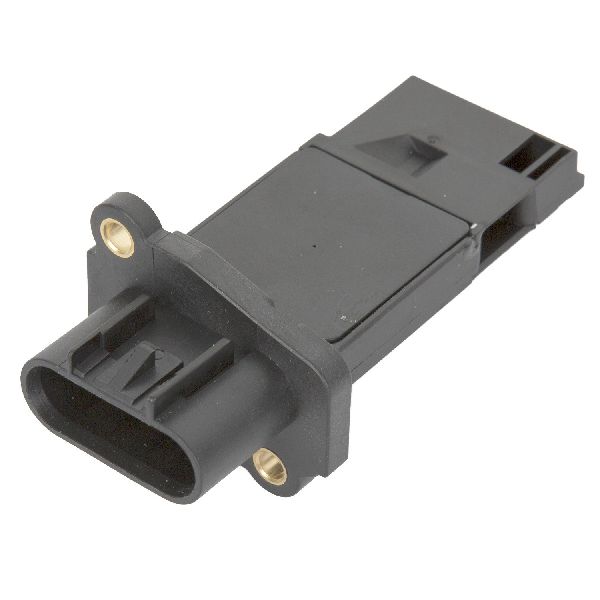
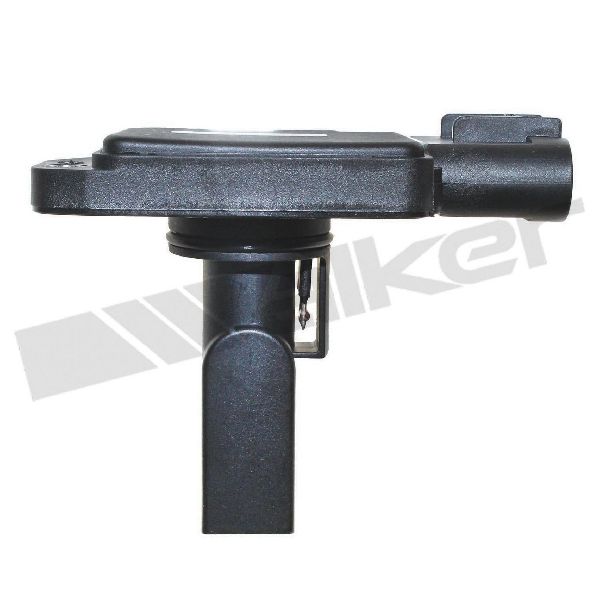
The MAF sensor for the 2004-2008 GMC Canyon is a 'probe only' style sensor that fits into the air intake duct. It uses a 5-pin connector and is secured by two screws. It is shared across the 2.8L, 2.9L, 3.5L, and 3.7L engines for this generation.
We Have This Part in Stock


The information in this article is provided for general reference and educational purposes only. Vehicle specifications, procedures, and part compatibility can vary by production date, trim level, and region. Always consult your vehicle's factory service manual and verify part numbers before purchasing or performing repairs. Safety-critical components such as airbags, seat belts, and braking systems should be installed by a qualified professional.
- GMC Canyon: