

A Guide to the 2004-2008 GMC Canyon Starter Motor
If your Canyon won't start, here's how to determine if the starter is the problem and what to do about it.
- First, diagnose the PassLock anti-theft system; a 10-minute wait before it starts is a key sign this system is the issue, not the starter.
- Starter replacement is a difficult, labor-intensive job on this truck due to its location under the intake manifold, leading to high labor costs.
- Because of the high labor cost, choose a high-quality new or premium remanufactured starter to avoid repeating the repair.
- Always confirm your battery is healthy and the terminals are clean before condemning the starter.
Is It Your Starter or Something Else?
Before you replace your starter, it's important to know the common signs of failure. However, on the 2004-2008 GMC Canyon and its twin, the Chevy Colorado, another common issue can mimic a bad starter.
Warning: Check the PassLock System First!
Many Canyon owners experience a no-start condition where all the lights come on, but the engine won't crank. After waiting exactly 10 minutes, the truck starts normally. This is a classic symptom of the GM PassLock anti-theft system malfunctioning, not a bad starter. If this describes your problem, replacing the starter will not fix it. The issue is often a faulty ignition switch or PassLock sensor.
Symptoms of a Failing Starter
If you've ruled out the PassLock system, here are the typical signs that your starter motor is going bad:
- Single, Loud Click: You turn the key, hear one sharp click from the engine bay, but the engine doesn't turn over. This often means the starter solenoid is engaging, but the motor itself isn't spinning.
- Grinding Noise: A harsh grinding sound during startup can indicate the starter's gear is not meshing properly with the engine's flywheel, or it's damaged.
- Slow or Labored Cranking: If the engine turns over very slowly, like the battery is weak, it could be a sign that the starter motor is worn out and drawing too much power. Always test your battery first to rule it out.
- No Sound at All: You turn the key and get nothing—no click, no crank. While this could be a dead battery or a bad connection, it can also be a completely failed starter motor or solenoid.
- Intermittent Starting: The truck starts fine one day but refuses to crank the next. This can be an early sign of a failing starter or loose electrical connections.
Choosing the Right Aftermarket Starter
Because replacing the starter on this truck is a difficult job, it's wise to choose a quality part to avoid doing the job twice. You'll find both new and remanufactured options.
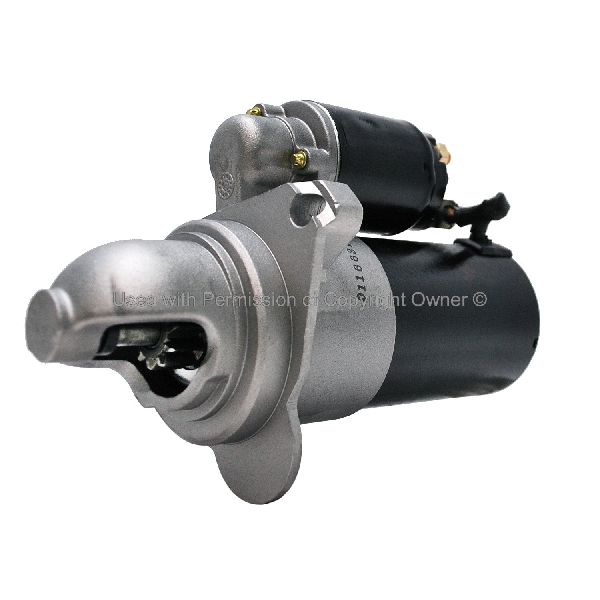
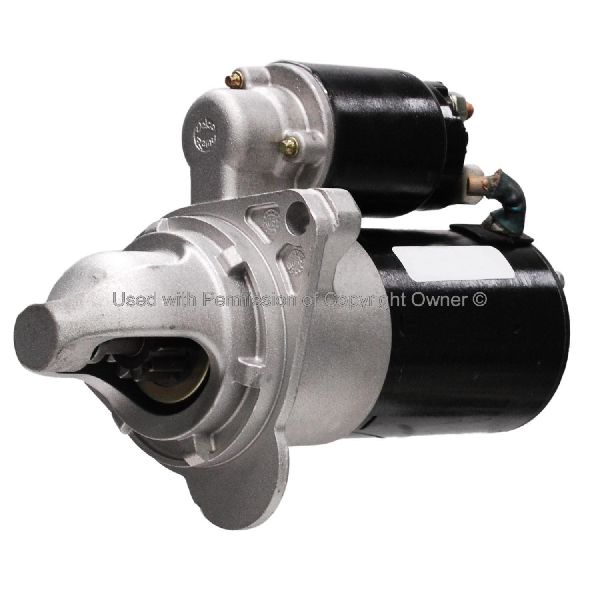
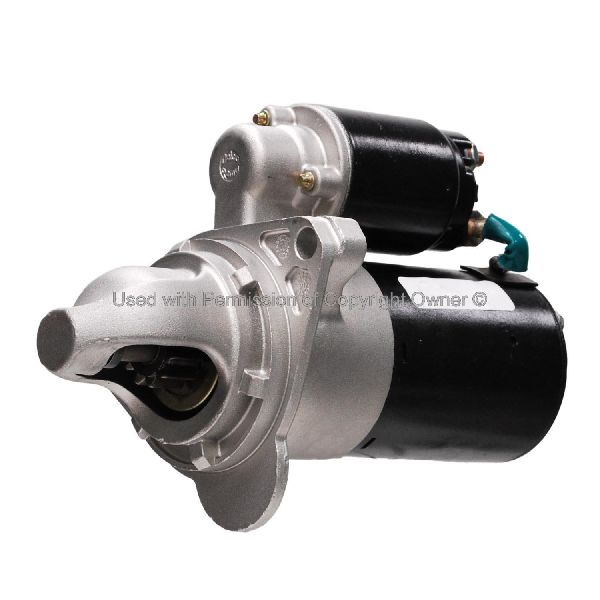
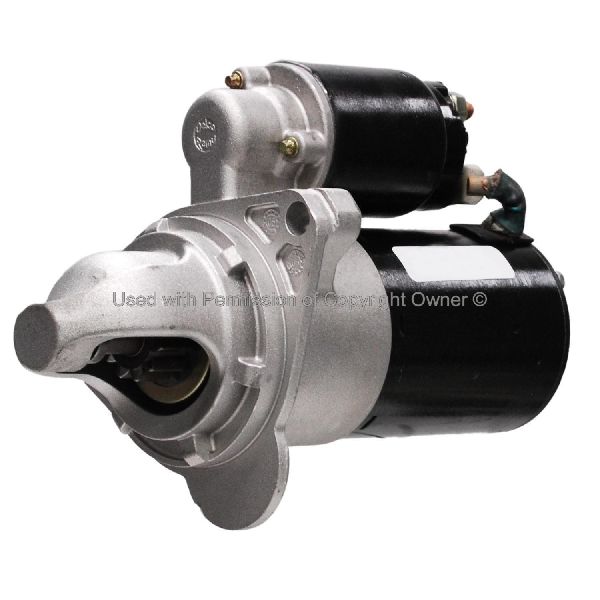
- New Aftermarket Starters: These are built from 100% new components. Premium brands offer an excellent alternative to OEM, often meeting or exceeding original specifications. Budget-friendly options are available, but quality can vary.
- Remanufactured Starters: These are original units that have been rebuilt with new internal components to fix wear and tear. A quality remanufactured starter from a reputable brand like ACDelco can be a reliable, cost-effective choice.
Brand Quality: ACDelco vs. Other Aftermarket
ACDelco is GM's own parts brand and is considered a benchmark for quality and fit for your Canyon. They offer both new and remanufactured starters, often under their 'Professional' line, which are trusted by mechanics. Other aftermarket brands like MPA offer competitive alternatives, but it's important to stick with brands that have a good reputation and offer a solid warranty, as the labor for replacement is significant.
Understanding Replacement Costs
The cost to replace a starter on the 2004-2008 Canyon is higher than on many other vehicles due to its difficult location. The starter is mounted underneath the intake manifold, making it very labor-intensive to access.
| Part/Service | Estimated Cost |
|---|---|
| Shop Labor | $700 - $1,050 |
| New OEM Starter | $298 - $441 |
| New Aftermarket Starter | $105 - $310 |
| Remanufactured Starter | $150 - $250 |
Pro Tip: Given the high labor cost, investing in a high-quality new or premium remanufactured starter with a good warranty is highly recommended. The small savings on a cheaper part aren't worth the risk of paying for this difficult job a second time.
Frequently Asked Questions
Can I replace the starter myself?
DIY replacement is possible but is considered difficult and time-consuming. The starter is located under the intake manifold. Mechanics use two main methods: removing the intake manifold from above, or accessing it by removing the wheel and inner fender liner. Both require significant time, patience, and a good set of tools. It is not a job for a beginner.
My truck just clicks once and doesn't start. Is it the starter?
A single, loud click is a classic symptom of a failed starter solenoid or motor. However, always check that your battery is fully charged and the battery cable connections are clean and tight first, as this can produce a similar symptom.
Why does my truck sometimes not start for 10 minutes?
This is a well-documented issue with the GM PassLock anti-theft system, not the starter. The system mistakenly thinks the truck is being stolen and enters a 10-minute lockout mode. The solution typically involves the ignition switch or PassLock sensor, not the starter motor.
What's the difference between a new and a remanufactured starter?
A new starter is made with all-new components. A remanufactured starter is an original OEM core that has been disassembled, cleaned, and rebuilt with new internal wear items like brushes, bearings, and solenoid contacts. A high-quality remanufactured part from a trusted brand can be just as reliable as a new one.
Technical Specifications
OEM Part Numbers: 89017557 89017414 12609480 89017846
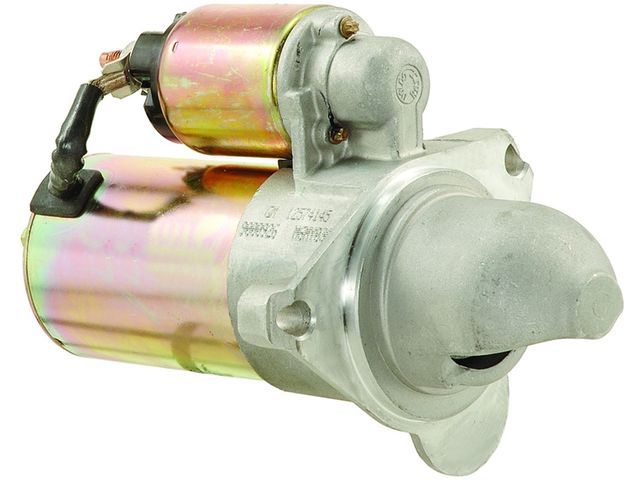
Fits 2004-2008 GMC Canyon models with 2.8L 4-Cylinder, 2.9L 4-Cylinder, 3.5L 5-Cylinder, and 3.7L 5-Cylinder engines. The starter is typically a Permanent Magnet Gear Reduction (PMGR) type with a 1.4kW power rating.
We Have This Part in Stock


The information in this article is provided for general reference and educational purposes only. Vehicle specifications, procedures, and part compatibility can vary by production date, trim level, and region. Always consult your vehicle's factory service manual and verify part numbers before purchasing or performing repairs. Safety-critical components such as airbags, seat belts, and braking systems should be installed by a qualified professional.
- GMC Canyon: