

A Deep Dive into the 2004-2008 Honda Accord Radiator
Keeping your Accord's engine cool is critical; here is what to know when your radiator fails.
- Verify your year! 2004-2007 models use a different radiator than the 2008 model.
- The most common failure is a leak from the seam where the plastic tanks meet the aluminum core.
- Denso is the OEM supplier; choosing Denso, Koyorad, or CSF ensures high quality.
- Always use Honda Type 2 (blue) coolant and consider replacing the radiator cap and hoses at the same time.
Is Your Accord Overheating? Signs of a Bad Radiator
The radiator in the 2004-2008 Honda Accord is generally reliable, but they can fail with age. The most common issue is a leak where the plastic tanks on the top and bottom (or sides) are attached to the metal center, or core. Here are the main symptoms to watch for:
- Engine Temperature Gauge is High: If the needle on your dashboard's temperature gauge is climbing into the red or is higher than normal, your engine is overheating. This is a serious sign.
- Puddles Under Your Car: Finding bright green, pink, or blue-green fluid under the front of your car is a sure sign of a coolant leak.
- Low Coolant Light or Frequent Refills: If you constantly have to add more coolant to the overflow tank, you likely have a leak somewhere in the system.
- Steam or a Sweet Smell: Steam coming from under the hood means coolant is leaking onto the hot engine and turning to vapor. Coolant often has a distinct sweet smell.
CRITICAL: 2007 and 2008 are Different Generations
The 2004-2007 Honda Accord (7th Generation) and the 2008 Honda Accord (8th Generation) are completely different vehicles. The radiators are NOT interchangeable. You must order the correct radiator for your exact year. Ordering a 2007 radiator for a 2008 model will not work, and vice-versa. Always verify your vehicle's year before purchasing.
Choosing the Right Aftermarket Radiator
You don't have to buy a radiator from the Honda dealer. Many aftermarket brands offer excellent quality, often for less money. The original radiator in your Accord was likely made by Denso.
Brand Quality Tiers
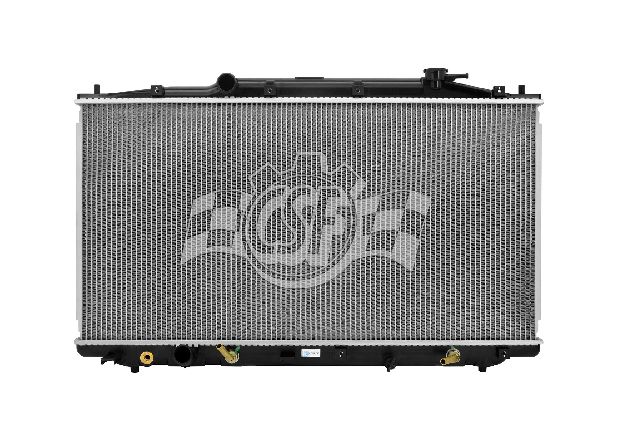
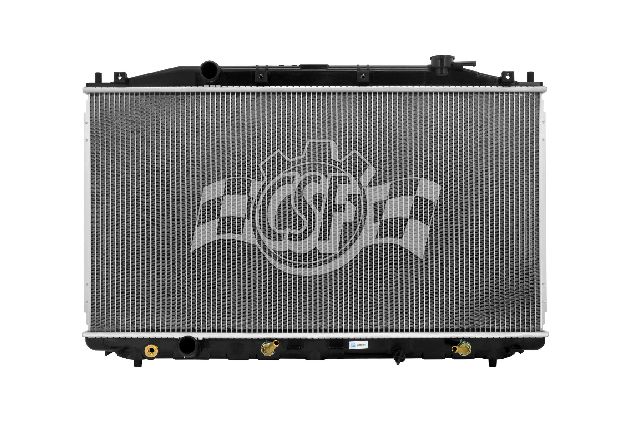
- OEM-Quality Brands (Best): These brands are known for making parts that are as good as, or sometimes better than, the original. They focus on perfect fit and long-term durability. Look for brands like Denso (the original supplier), Koyorad, and CSF.
- Reliable Aftermarket Brands (Good): These brands provide a great balance of quality and price. They are a popular choice for daily drivers and are known to fit well and last. Brands like Spectra Premium and Nissens fall into this category.
- Economy Brands (Fair): These are budget-friendly options. While they can get your car back on the road, fitment might not be as precise, and their lifespan can be shorter than premium brands. This tier includes brands like APDI, Global Parts, and Onix.
Pro Tip: Replace the Cap and Hoses
When you replace the radiator, it's the perfect time to also replace the radiator cap and the upper and lower radiator hoses. These parts are inexpensive and wear out over time. A new cap ensures the system holds the correct pressure, and new hoses prevent a future leak from ruining your new radiator.
Honda Accord Radiator Replacement Cost
The cost to replace the radiator depends on whether you do it yourself or have a shop do the work. The job is possible for a skilled DIYer and takes about 2-4 hours.
| Part Type | Part Cost | Labor Cost | Total Cost |
|---|---|---|---|
| New Aftermarket Radiator | $102 - $310 | $250 - $450 | $352 - $760 |
| New OEM Radiator | $280 - $410 | $250 - $450 | $530 - $860 |
(Cost estimates are for parts and labor and may vary based on your location and the specific repair shop.)
Frequently Asked Questions
Can I drive my Accord with a leaking radiator?
It is not recommended. A small leak can quickly become a large one, causing your engine to overheat and leading to catastrophic engine damage. If your temperature gauge is in the red, pull over immediately and turn off the engine to prevent warping the cylinder head.
What type of coolant should I use in my 2004-2008 Accord?
You should only use a blue-colored Asian vehicle-specific coolant, often labeled as "P-HOAT." The official Honda Type 2 coolant is the best choice. Do not mix it with other colors or types of coolant, as this can cause damage to the cooling system.
Is there a recall on the 2004-2008 Accord radiator?
No, there are no active recalls from Honda or NHTSA specifically for the radiator on these models. Common failures are due to age and normal wear and tear.
Do I need to replace the transmission cooler?
For automatic transmission models, the transmission cooler is built into the radiator. When you replace the radiator, the new unit will include a new transmission cooler. You will need to disconnect the transmission fluid lines from the old radiator and connect them to the new one. Be prepared for a small amount of transmission fluid to spill, and top it off as needed after the job is done.
Technical Specifications
OEM Part Numbers: 19010-RCA-A53 (2003-2007 V6 Auto) 19010-RCA-A52 (2003-2007 V6 Auto) 19010-RCA-A51 (2003-2007 V6 Auto) 19010-RAA-A51 (2003-2007 4-Cyl) 19010-R40-A53 (2008 2.4L Auto) 19010-R70-A53 (2008 3.5L V6 Auto)
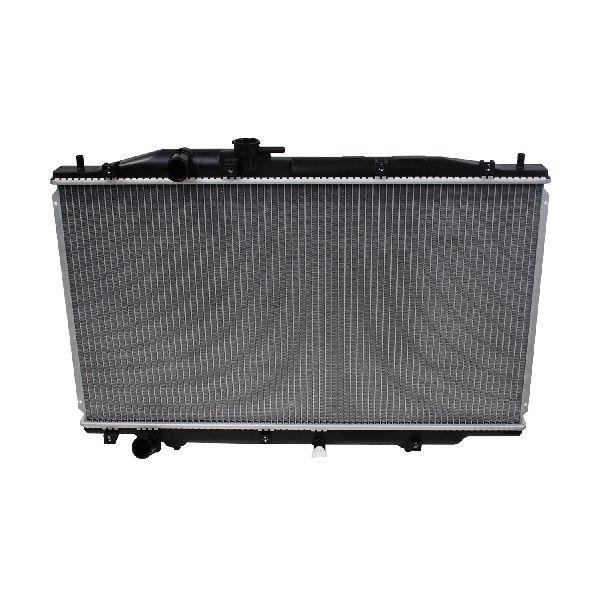
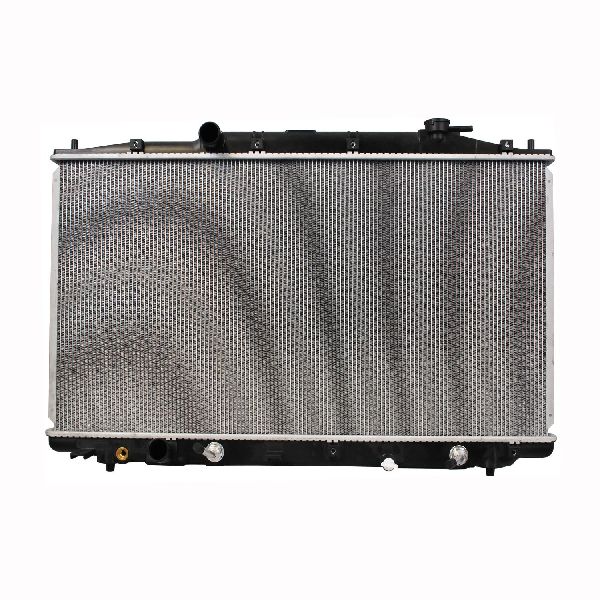
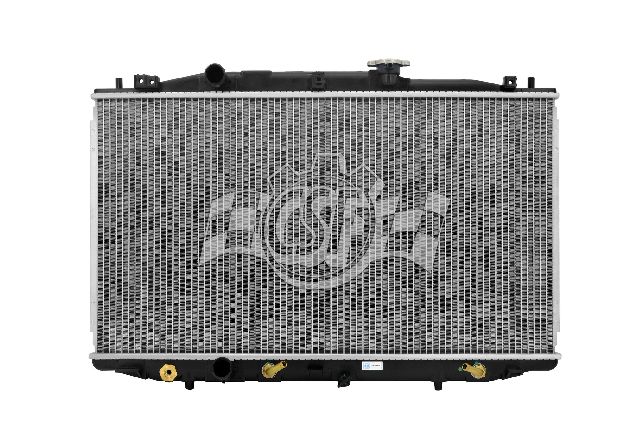
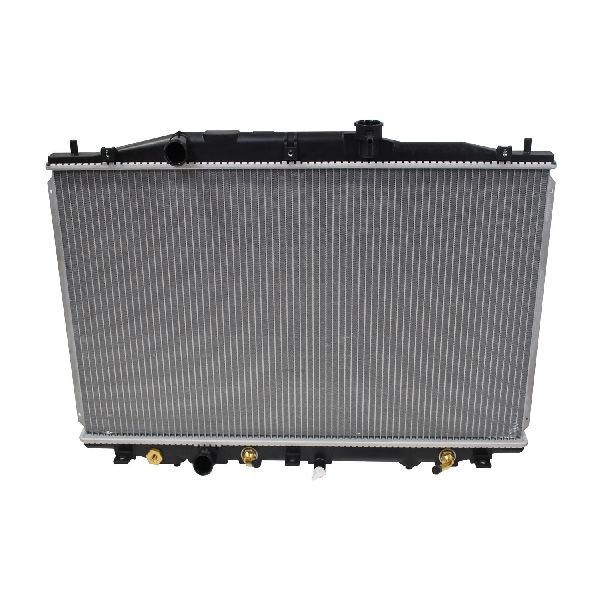
The radiator for the 2004-2008 Honda Accord is a cross-flow design with plastic end tanks crimped onto an aluminum core. Models with an automatic transmission include an integrated transmission fluid cooler within the driver's side end tank.
We Have This Part in Stock

The information in this article is provided for general reference and educational purposes only. Vehicle specifications, procedures, and part compatibility can vary by production date, trim level, and region. Always consult your vehicle's factory service manual and verify part numbers before purchasing or performing repairs. Safety-critical components such as airbags, seat belts, and braking systems should be installed by a qualified professional.
- Honda Accord: