

Suzuki Forenza Engine Coolant Temperature Sensor Guide (2004-2008)
Is your Forenza running rough or getting bad gas mileage? This critical sensor could be the problem.
- A bad ECT sensor on your Forenza can cause a check engine light, poor gas mileage, and overheating.
- This is a simple and affordable DIY repair; the sensor is easy to access near the thermostat housing.
- No recalls exist for this specific part, but it's a common failure point that can mimic other issues.
- Consider spending slightly more for a premium aftermarket brand like Standard Ignition or Walker Products to avoid potential compatibility issues.
Is Your Forenza's Temperature Gauge Acting Up?
A faulty Engine Coolant Temperature (ECT) sensor can cause a wide range of confusing problems for your 2004-2008 Suzuki Forenza. Because this sensor provides key data to the engine computer, its failure can mimic other, more serious issues. Symptoms can appear suddenly, from a check engine light to poor engine performance. Understanding these signs is the first step to getting your car running right again.
Symptoms of a Failing ECT Sensor
When the ECT sensor starts to fail, it sends incorrect temperature data to the engine computer. This can lead to several noticeable problems:
- Check Engine Light: This is often the first sign. The computer will log fault codes like P0115, P0116, P0117, or P0118.
- Poor Fuel Economy: If the sensor incorrectly tells the computer the engine is cold, the computer will enrich the fuel mixture, wasting gas.
- Rough Idle: The engine may idle poorly or stall because the computer can't set the correct idle parameters.
- Black Smoke from Exhaust: A very rich fuel mixture, caused by a bad sensor reading, can result in black smoke from the tailpipe as unburnt fuel is burned in the exhaust.
- Engine Overheating or Running Too Cool: A bad sensor might fail to trigger the cooling fans when needed, leading to overheating. Conversely, it could cause the fans to run constantly, preventing the engine from reaching its ideal operating temperature.
- Erratic Temperature Gauge: The gauge on your dashboard might swing wildly, stay on cold, or jump straight to hot.
Known Issues & Recalls
There are no NHTSA recalls or specific Technical Service Bulletins (TSBs) for the engine coolant temperature sensor on the 2004-2008 Suzuki Forenza. Recalls for this vehicle primarily address lighting and electrical systems. While overheating on a Forenza can be caused by this sensor, it's more commonly linked to coolant leaks, a bad thermostat, or a faulty radiator fan.
Choosing the Right Aftermarket Sensor
For a critical component like the ECT sensor, quality matters. While OEM is an option, several aftermarket brands offer a good balance of price and reliability. However, some forum users report that certain budget aftermarket sensors can have a slightly different temperature-to-resistance curve than the original part, which can cause persistent running issues even after replacement.
Here’s a breakdown of the available brands:
- Premium Aftermarket (Closer to OEM): Brands like Standard Ignition (SMP) and Hella have a strong reputation for producing quality electronic components that often meet or exceed original specifications. Walker Products is another established name in engine management sensors with a commitment to quality. These are your safest bet for a reliable, long-lasting repair.
- Standard Aftermarket: Brands like Holstein and Four Seasons offer a mid-tier option. They are generally reliable for most common repairs and provide a good value.
- Economy Brands: Options from Global Parts, True Tech, and Standard Wires fall into the budget-friendly category. While the low price is attractive, be aware of the potential risk for sensors. For a part this critical to engine performance, it's often worth spending a few extra dollars for a brand with a more established track record.
Pro Tip: Check the Connector
Before installing the new sensor, inspect the wiring harness connector. Look for any corrosion, dirt, or broken plastic tabs. A poor connection can mimic the symptoms of a failed sensor. Clean the connector carefully before plugging it into the new part.
Cost to Replace the Suzuki Forenza ECT Sensor
| Part Type | Price Range |
|---|---|
| New Aftermarket | $16.73 - $40.37 |
| Shop Labor | $60 - $120 |
| Total DIY Cost | $16.73 - $40.37 |
| Total Professional Repair | $77 - $161 |
Cost estimates are approximate and can vary by location and supplier.
Frequently Asked Questions
Where is the ECT sensor located on a 2004-2008 Suzuki Forenza?
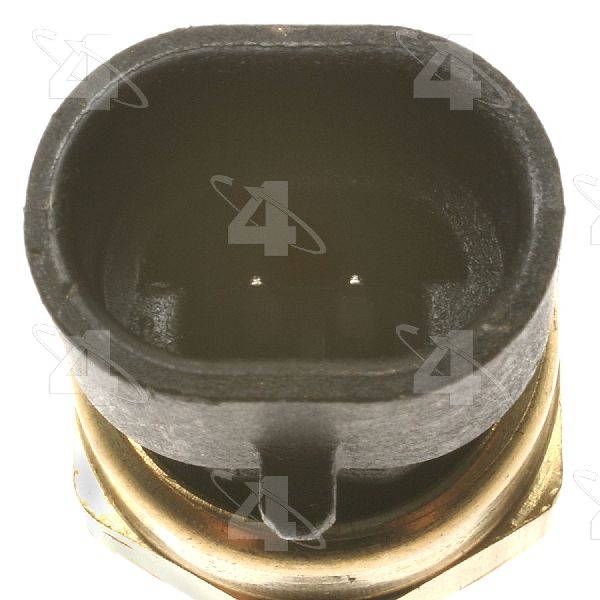
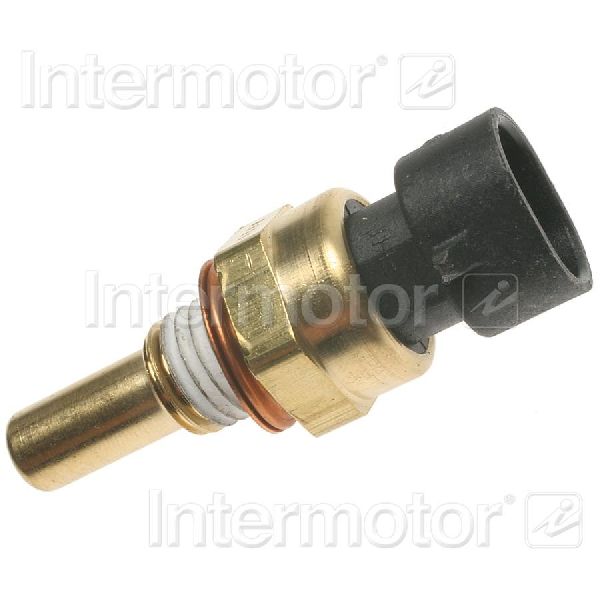
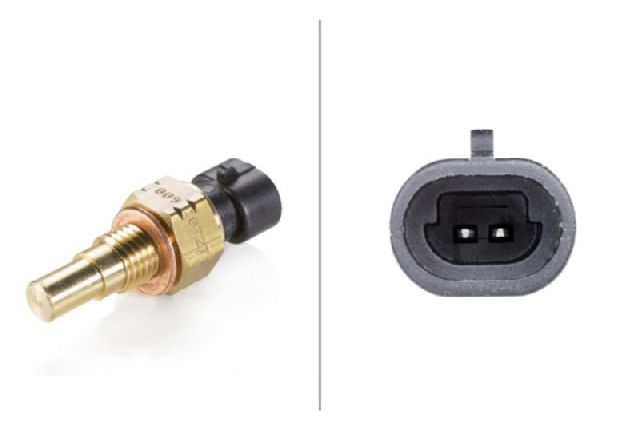
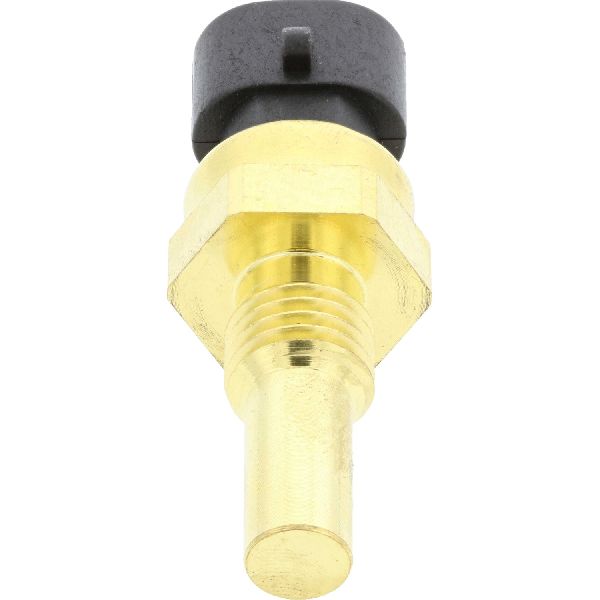
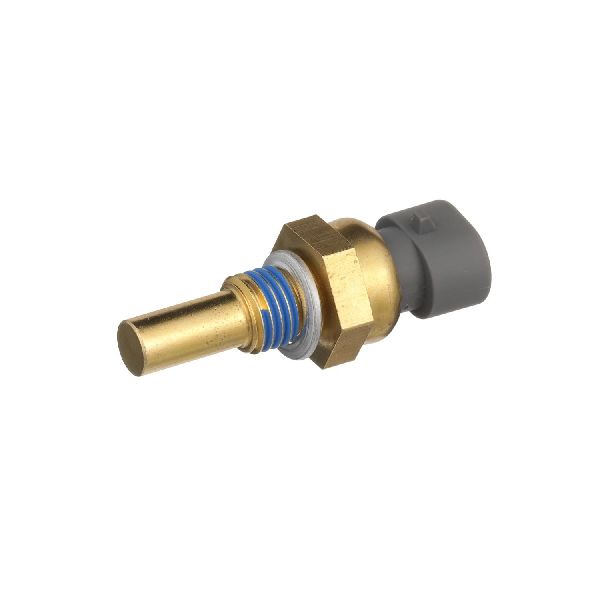
The engine coolant temperature sensor is typically located on the engine block near the thermostat housing, where the upper radiator hose connects to the engine. It is a small sensor with a two-wire electrical connector.
Can I replace the Forenza ECT sensor myself?
Yes, this is a relatively simple job for a DIY mechanic. It involves partially draining the coolant, unplugging the electrical connector, unscrewing the old sensor, and installing the new one. The main challenge is avoiding contact with hot coolant, so the engine must be completely cool before you begin.
Do I need to drain all the coolant to replace the sensor?
No, you don't need to drain the entire system. You can either drain about a gallon of coolant from the radiator's drain plug to lower the level below the sensor, or be prepared for some spillage and quickly swap the old sensor for the new one. Afterward, you will need to top off the coolant and bleed any air from the system.
What happens if I ignore a bad ECT sensor?
Ignoring a faulty ECT sensor is not recommended. It can lead to poor engine performance, terrible fuel mileage, and failed emissions tests. In a worst-case scenario, if the sensor fails to activate the cooling fans, it could lead to severe engine damage from overheating.
Technical Specifications
OEM Part Numbers: 96182634 96181508
2-pin connector, threaded-in type
We Have This Part in Stock


The information in this article is provided for general reference and educational purposes only. Vehicle specifications, procedures, and part compatibility can vary by production date, trim level, and region. Always consult your vehicle's factory service manual and verify part numbers before purchasing or performing repairs. Safety-critical components such as airbags, seat belts, and braking systems should be installed by a qualified professional.
- Suzuki Forenza: